TokyoTokyo Mon - Fri 10:00-18:00 +81 (366) 701-751
info@mountequitygroup.com

Blog

The Cooper Companies, Inc. Q2 adjusted earnings Beat Estimates

(RTTNews) – The Cooper Companies, Inc. (COO) revealed a profit for its second quarter that climbed from the same period last year.

The company’s earnings totaled $117.5 million, or $2.36 per share. This compares with $11.5 million, or $0.23 per share, in last year’s second quarter.

Analysts had expected the company to earn $3.09 per share, according to figures compiled by Thomson Reuters. Analysts’ estimates typically exclude special items.

The company’s revenue for the quarter rose 37.1% to $719.5 million from $524.9 million last year.

The Cooper Companies, Inc. earnings at a glance:

-Earnings (Q2): . vs. . last year.
-EPS (Q2): $3.38 vs. $1.36 last year.
-Analysts Estimate: $3.09
-Revenue (Q2): $719.5 Mln vs. $524.9 Mln last year.

-Guidance:
Full year EPS guidance: $13.20-$13.40
Full year revenue guidance: $2.86-$2.88 Bln

UK's AI-Based Apartment Rental Market Leader Mashroom Selects Passbase to Provide Secure Tenant Onboarding and Verification

LONDON, ENGLAND and BERLIN, June 3, 2021 /PRNewswire/ — Mashroom, AI and Big Data based property rental, sales and management as a service platform, has announced that starting today Passbase will be its Know Your Customer (KYC) tool of choice to speed up and secure its customer verification and onboarding processes. By integrating Passbase’s identity verification service, Mashroom customers are able to securely sign up and start renting out a flat by going through a simple and frictionless three-step identity verification process. First, users take a selfie then they’re asked to upload a photo of the front and back of their government-issued ID. Passbase’s technology then checks the authenticity of the uploaded document and compares and matches it to the user’s face, ultimately detecting fraud and spoofing attempts. Established in 2018, Mashroom empowers tenants and landlords to rent and manage residential properties in the UK via a simple to use self-service platform. It aims to save over £8 billion in fees paid to intermediaries annually and incorporates the entire rental lifecycle in one place including, property advertising, viewing, credit history checks, offer negotiation and signing and maintenance and dispute resolution.”With fraud becoming an increasingly troublesome issue in the property market at the moment, we are taking extra steps in the protection and security of our landlords and tenants. By using Passbase we are making our customer verifications easier, faster and safer.” Stepan Dobrovolskiy, co-founder and CEO of Mashroom.

Dave McGibbon, co-founder and CEO of Passbase said, “With Passbase, Mashroom doesn’t have to choose between a seamless user journey and secure onboarding and we’re excited to provide both for the growing PropTech. We’re delighted to join them on their journey as they continue to scale further and look forward to helping them improve the rental sector.”About PassbasePassbase is a next-generation identity verification provider that helps companies solve their digital identity challenges in a compliant, privacy-oriented and user-centric way. Its developer-friendly, highly customisable tools and flexible pricing allow companies to incorporate ID verification, AML compliance, and age verification into their products and platforms. By building a trust infrastructure for the internet, Passbase keeps businesses compliant and secure, and end users safe.For further press information or inquiries, please contact our team at media@passbase.com or find all press resources and assets at https://passbase.com/press/About MashroomMashroom, an online lettings and renting platform, improves trust, security and communication between landlords and tenants, so they can enjoy the benefits of better rental relationships. We offer everything landlords and tenants need on our online dashboard. With secure communication and all the tools in one place, we offer the means to manage letting and renting easily. The best part? It’s completely free to use.This press release was issued through 24-7PressRelease.com. For further information, visit https://www.24-7pressrelease.com.

View original content to download multimedia:https://www.prnewswire.com/news-releases/uks-ai-based-apartment-rental-market-leader-mashroom-selects-passbase-to-provide-secure-tenant-onboarding-and-verification-301305574.htmlSOURCE Passbase

Tesla shares drop on report of steep May sales decline in China

In this articleTSLAA Model Y vehicle displayed at a Tesla flagship store on Jan. 4, 2021 in Shanghai, China.Gao Yuwen | Visual China Group | Getty ImagesTesla shares dropped more than 5% Thursday after a report said the company’s vehicle orders in China steeply declined last month.The Information, citing a single source familiar with the data, wrote that Tesla’s “monthly net orders in China dropped to about 9,800 in May from more than 18,000 in April.” CNBC has not corroborated that report.Tesla’s Shanghai factory is supposed to have the capacity to make around 500,000 electric cars a year for deliveries in China and exports to other parts of Asia and Europe.Elon Musk’s electric vehicle company has been grappling with recalls and safety investigations in China. It is also dealing with a public relations backlash there following some high-profile vehicle crashes, price changes and quality complaints from Chinese customers.JL Warren Capital CEO Junheng Li said in an e-mail to CNBC that even though Tesla hasn’t spoken about potential impacts of its PR crisis in China, she expects they will be material.”We see a definitive material impact on Tesla branding, orders and deliveries for future months, although it’s hard to quantify exactly to what extent the declining demand is driven by concerns on Tesla’s safety features, or rising competition especially from Chinese automakers,” she said.Li’s equity research firm focuses on Chinese and U.S. companies with significant exposure in China. Her firm estimated, in a note on June 1, that Tesla orders in Chan declined by around 30% in May compared to April. While that’s not as dire as the 50% drop reported by The Information, Warren noted that “both are disastrous.”China represented last year the second-largest electric vehicle market in the world, according to IEA research. Tesla’s near-term growth hinges largely on its ability to make and sell cars successfully in China.According to analysis of Tesla job listings by Snow Bull Capital, the company is stepping up hiring for “Legal & Government Affairs” positions in 2021 across the country. It’s also generally ramping up hiring at its Shanghai plant.Chinese Tesla rival Nio saw deliveries slide in May as a global semiconductor shortage hit its business. But another competitor, Xpeng, said it delivered 5,686 cars in May representing a 483% year-on-year rise and a 10% increase from the previous month.Tesla shares are down about 15% year-to-date, and down more than 35% from their intraday high on Jan. 29.

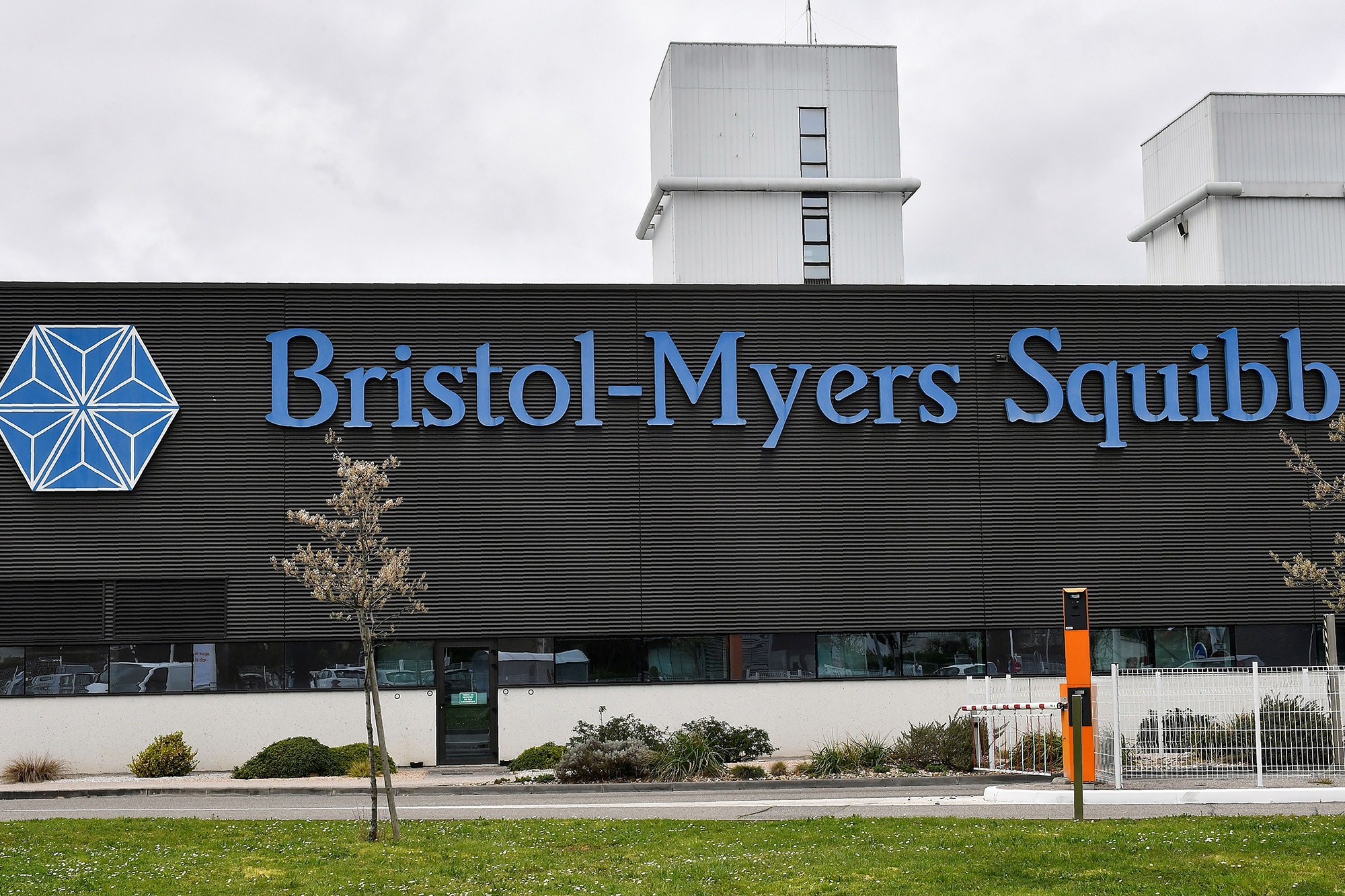
Bristol-Myers Squibb sued for $6.4B over delayed cancer drug

Bristol-Myers Squibb was sued for $6.4 billion on Thursday for allegedly delaying its Breyanzi cancer drug to avoid payments to shareholders of the former Celgene, which the drugmaker bought in 2019.

According to a complaint in Manhattan federal court, Bristol-Myers failed to use contractually required “diligent efforts” to win US Food and Drug Administration approval for the non-Hodgkin lymphoma drug by a Dec. 31, 2020, deadline.

By missing the deadline, Bristol-Myers was excused from owing an additional $9 in cash to Celgene shareholders for each share they held, enabling it to acquire Celgene at an “enormous discount” and enjoy a “windfall,” the complaint said.

Bristol-Myers bought Celgene for $80.3 billion in cash and stock in November 2019. It won FDA approval for Breyanzi, whose chemical name is lisocabtagene maraleucel, on Feb. 5.

The lawsuit was brought by UMB Bank NA, acting as a trustee for Celgene’s former shareholders.

Former shareholders of Celgene charge in a lawsuit that Bristol-Myers denied them rightful payments by deliberately delaying one of its cancer drugs.SOPA Images/LightRocket via Getty Images

“We will not be commenting on pending litigation,” Bristol-Myers said in a statement.

The $9 per share “milestone” payment had been contingent on New York-based Bristol-Myers winning FDA approval by specified deadlines for three drugs that Celgene had been developing.

UMB said Bristol-Myers withheld or belatedly submitted critical information to the FDA for Breyanzi’s approval, and did not prepare its manufacturing plants for required inspections.

“Other cellular therapies based on similar technology have received FDA approval without the issues and ineptitude that plagued Bristol-Myers, and in substantially less time,” UMB said.

A lawyer for the Kansas City, Missouri-based bank declined additional comment.

Bristol-Myers won FDA approval for the two other Celgene drugs, Zeposia for multiple sclerosis and Abecma to treat multiple myeloma, by the specified deadlines.

MyHouseDeals Announces New Funding Portal to Facilitate Transactional Funding for Real Estate Investors

HOUSTON, June 3, 2021 /PRNewswire/ — MyHouseDeals (www.myhousedeals.com), a leading digital platform for real estate investors, recently introduced an easy-to-use funding solution for real estate investors.”Time and time again, investors cite lack of funding as the number one factor keeping them from getting deals done.””Time and time again, investors cite lack of funding as their number one thing keeping them from getting deals done. We want to remove that obstacle and make transactional funding a painless process for our customers. Whether they are buying their next flip, rental, or refinancing an existing loan, they’ll be able to find a lender that’s the best fit for their deal with confidence. We’re excited to remove this obstacle for so many people,” said Alex Soares, President of the platform. Customer insights were the catalyst that led to the development of MyHouseDeals’ new funding solution.Harnessing the new funding portal is a seamless process. To get started, house buyers just need to click or press the “Get Funding” tab on MyHouseDeals’ homepage. From there, they’ll answer a few quick questions regarding the deal and their goals and preferences. The investor is then automatically matched with a hard money lender or individual private lender in the residential, commercial, or construction space best suited to fulfill the deal. The funding portal breaks the number one barrier investors face that prevent them from raising capital for their real estate transactions. It vastly increases the probability of getting a loan approved, allows investors to find the right lenders for their deals, allows them to get pre-qualified with a lender pre-offer, and gives them peace of mind by making this a repeatable process.The hundreds of lenders who are part of the program have to meet a high standard that ensures only premier lenders participate. Investors benefit by getting the lowest interest rates, best repayment terms, and the highest loan-to-values (LTVs) to maximize their profits. Initial feedback from investors who have used the funding portal has been overwhelmingly positive.

About MyHouseDealsFounded in 2005, MyHouseDeals is the premier online community for residential real estate investors, providing networking tools, on-demand training, and property lead generation, including access to wholesale real estate deals, motivated seller leads, and investor-ready foreclosures nationwide.Contact:Vlad VidaeffREI Network, L.P.713.701.5540vlad@reinetworklp.com View original content:https://www.prnewswire.com/news-releases/myhousedeals-announces-new-funding-portal-to-facilitate-transactional-funding-for-real-estate-investors-301305582.htmlSOURCE MyHouseDeals

Google follows Apple's lead and makes it harder for advertisers to track users on Android

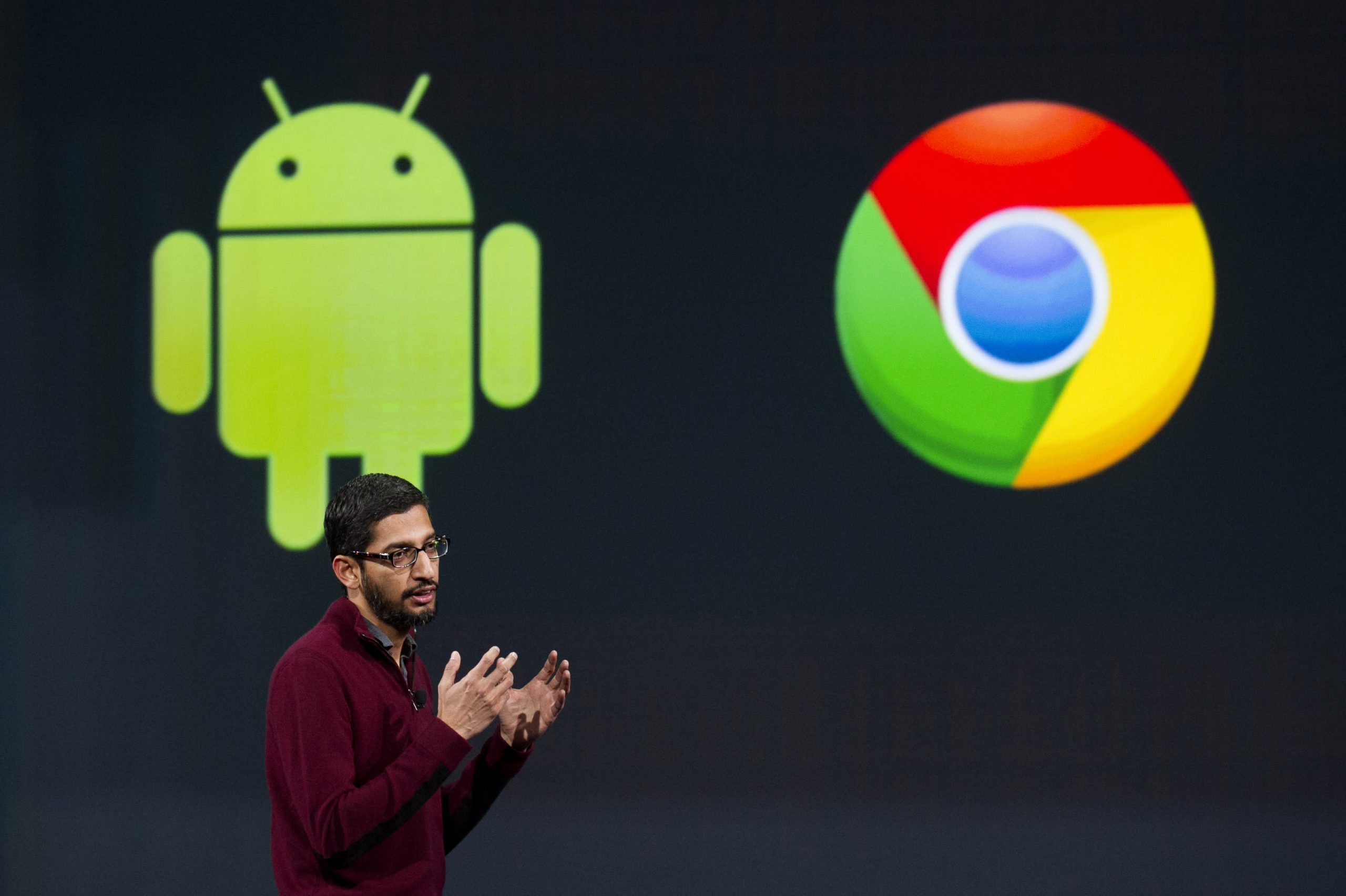
In this articleGOOGLSundar Pichai, senior vice president of Android, Chrome and Apps for Google Inc., speaks during the Google I/O Annual Developers Conference in San Francisco, California, U.S., on Wednesday, June 25, 2014.David Paul Morris | Bloomberg | Getty ImagesGoogle is tightening its privacy practices that could make it harder for companies to track users on Android phones and tablets.Google already allows Android users to opt-out of personalized ads. But even if users do that, software developers may still access the user’s Advertising ID, a unique string of characters that identifies the user’s device. Firms can use this Advertising ID for purposes such as allowing developers to measure app usage or letting advertisers detect and prevent invalid traffic.Following the change, if a user has opted out of personalized ads, the Advertising ID will not be available — requests for it will return only a string of zeros. The company said in a policy update that its rollout will affect apps running on Android 12 devices starting in late 2021 and will expand to apps running on devices that support Google Play in early 2022. It said it will “provide an alternate solution to support essential use cases such as analytics and fraud prevention” in July. With regulators taking a closer look at user privacy, and consumers becoming more concerned about the use of their personal data, tech giants are trying to get ahead by making changes in the name of privacy. Google said in early 2020 that it would end support for third-party cookies on its Chrome browser within two years.But with advertising making up about 80% Google’s revenue, it also needs to keep advertisers happy by offering alternative ways to place ads in front of users they want to reach and track how effective they are. The company has been the market leader in online advertising for well over a decade, and is expected to command nearly a 29% share of digital ad spending globally in 2021, according to eMarketer.Google’s changes will follow other changes Apple recently made for iOS devices, but are not as dramatic. Apple’s changes make it easy for iPhone and iPad users to opt out of the kind of tracking that helps advertisers target ads or measure whether ads worked, by placing a prompt in front of them whenever they open a new app. Facebook, among others, objected strongly to the changes, saying that users would see less relevant ads and that small businesses would be hurt as targeted advertising got harder.

Enron’s Skilling reportedly taps McKinsey cohorts for energy invest biz

Former Enron CEO Jeffrey Skilling’s stealth energy investment venture has launched, two people familiar with the matter said this week, staffed with former McKinsey & Co. consultants like himself and offering a technology edge to oil and gas returns.

Skilling was convicted of securities fraud and insider trading in connection with manipulating financial reports ahead of the 2001 collapse of Enron. He served more than 12 years in prison and was released in 2019.

His venture, Veld LLC, was set up as a digital marketplace to sell packages of oil and gas production to investors, sources have said. The business has analytical software that investors can use to evaluate packages for their potential returns, the people said.

The company in April filed for a US trademark for its software and business operation under the name Veld Applied Analytics and last year submitted a trademark application for a business named Shalemetrics. The former facilitates “asset backed securitizations for oil and gas producers,” according to a post by Ron Hulme, who joined the firm this year as chairman.

Hulme, who spent more than 26 years at McKinsey and became its global practice leader for oil and gas, is a senior executive at Houston-based energy investors Parallel Resource Partners and Bluescape Energy Partners in addition to his role at Veld Applied Analytics.

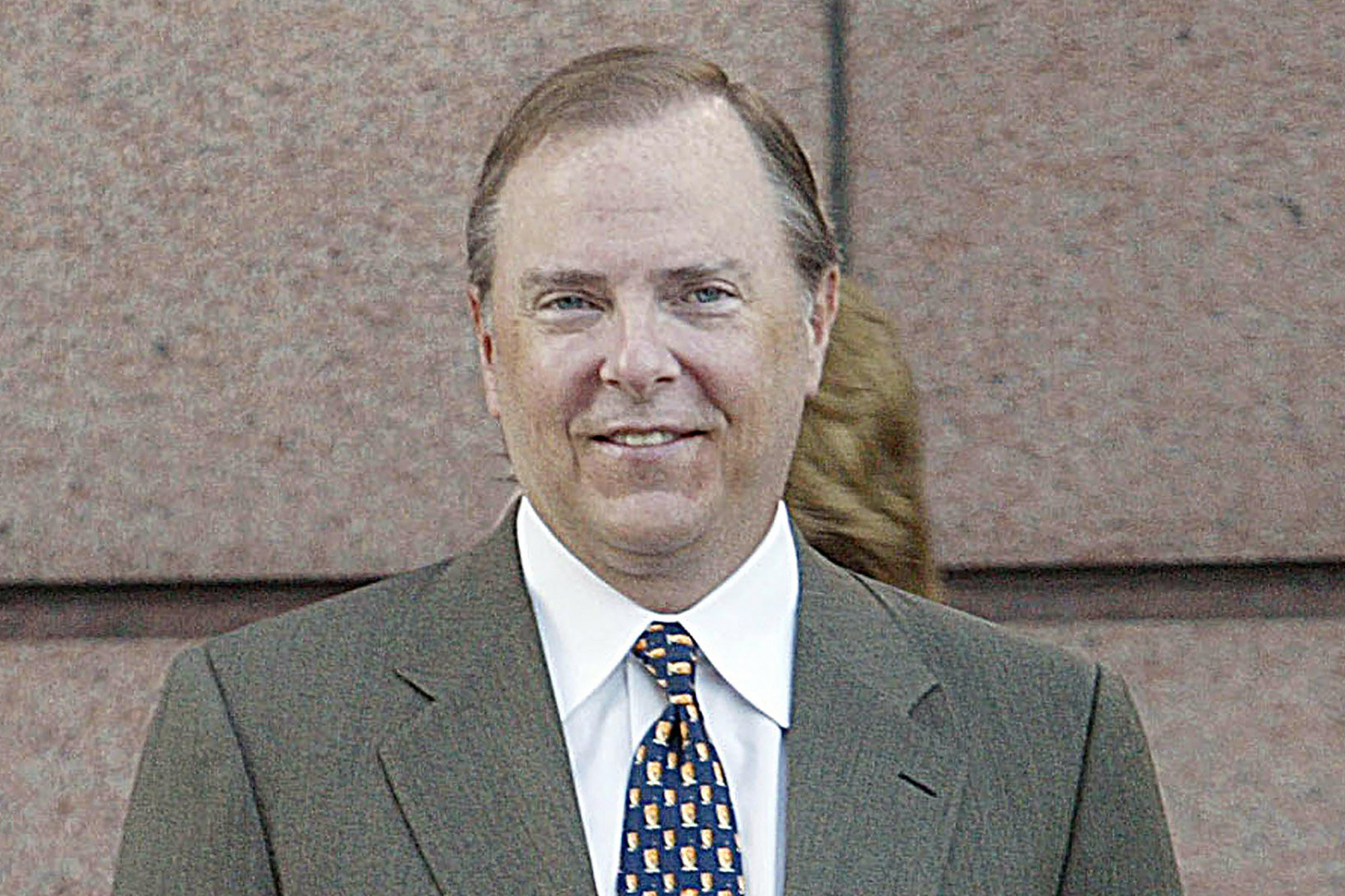
Former Enron CEO Jeff Skilling (center) leaves the federal courthouse in Houston with his attorney following behind at the end of his fraud and conspiracy trial, May 25, 2006. Skilling was found guilty of 19 charges following 16 weeks of testimony and six days of jury deliberation.Getty Images

Taek Chung is a managing director for Veld Applied Analytics, according to patent office filings. He has a Ph.D. in electrical engineering from Stanford University and also worked at McKinsey, according to his LinkedIn profile.

Chung’s LinkedIn profile describes his current status as being at a Houston, Texas-based “Stealth Startup.”

Skilling, Hulme and Chung did not respond to requests for comments.

In fundraising meetings last year, Skilling told potential investors he had secured significant financial commitments for the project, a source familiar with the matter said, estimating he had raised tens of millions of dollars at the time.

The former Enron Field, where Major League Baseball’s Houston Astros play. The team bought the rights to have the field renamed after Enron fell into disgrace and bankruptcy. The field is now known as Minute Maid Park.Getty Images

Skilling was a long-time McKinsey consultant who helped Enron build its natural gas marketing and finance operation, and later became its chief executive. He turned an energy pipeline company into one of the 10 largest US companies before questionable accounting and related-party trading practices led to its bankruptcy.

Enron’s tainted history and Skilling’s role in its financial demise should not have a significant impact on Veld’s ability to attract business, said Ed Hirs, an Energy Fellow and lecturer at the University of Houston. The bankruptcy caught many investors by surprise. The company claimed to have $100 billion in revenue the year before it collapsed.

“I don’t see it as a positive or negative,” Hirs said, referring to Skilling’s reputation. “To succeed, they have to compete with the established firms in the business.”

Veld’s website is up and running and soliciting email addresses for those interested in receiving newsletters. The site describes Veld as an “energy software” company.

Tesla is recalling up to 7,696 Model 3 and Y vehicles over seat belt issues

In this articleTSLATesla CEO Elon Musk views the new Tesla Model Y at its unveiling in Hawthorne, California on March 14, 2019.Frederic J. Brown | AFP | Getty ImagesAccording to the National Highway Traffic Safety Administration website, Tesla has initiated two new recalls over possible seat belt issues affecting up to 7,696 vehicles in the U.S.One recall applies to up to 5,530 of Tesla’s electric cars including 2018 to 2020 Model 3s and 2019 to 2021 Model Ys. It concerns the safety belts in the driver’s and front passenger’s seats. The cars were manufactured between July 6, 2018, and March 21, 2020.Tesla told NHTSA in a defect notice that this issue resulted from workers’ failures to always torque the seat belts into place correctly or to properly verify specifications were met after installing the seat belts.NHTSA wrote in a recall acknowledgment: “an improperly attached fastener may prevent the seat belt system from performing as designed, increasing the risk of injury.”The second recall applies to up to 2,166 of Tesla’s 2019 to 2021 Model Y crossovers manufactured by Tesla between Nov. 26, 2019, and March 30, 2021.”During assembly, if the operator made several unsuccessful attempts to torque the second-row left- or right-side seat belt retractor fastener to the correct specification, he may have unknowingly cross-threaded the fastener, which can compromise the ability to torque the fastener to the correct specification, despite a confirmation in the torque record,” Tesla told NHTSA in a defect notice sent to the vehicle safety agency in late May.There is sometimes an “abnormal noise” indicating a seat belt problem in affected vehicles, Tesla also noted.Elon Musk’s electric vehicle maker has issued three separate recalls this week after problems with assembly caused potential safety issues.As CNBC previously reported, Tesla is also recalling 5,974 Model 3 and Model Y vehicles because of potentially loose bolts in the cars’ brake calipers. That issue can cause, among other things, a loss of pressure in tires and can impact vehicle performance and safety.Tesla employees previously told CNBC that they did not have enough time to finish their tasks properly during vehicle assembly and were forced to take shortcuts.

NJ deli valued at $100M is shell company in ‘reverse-merger’ scheme: report

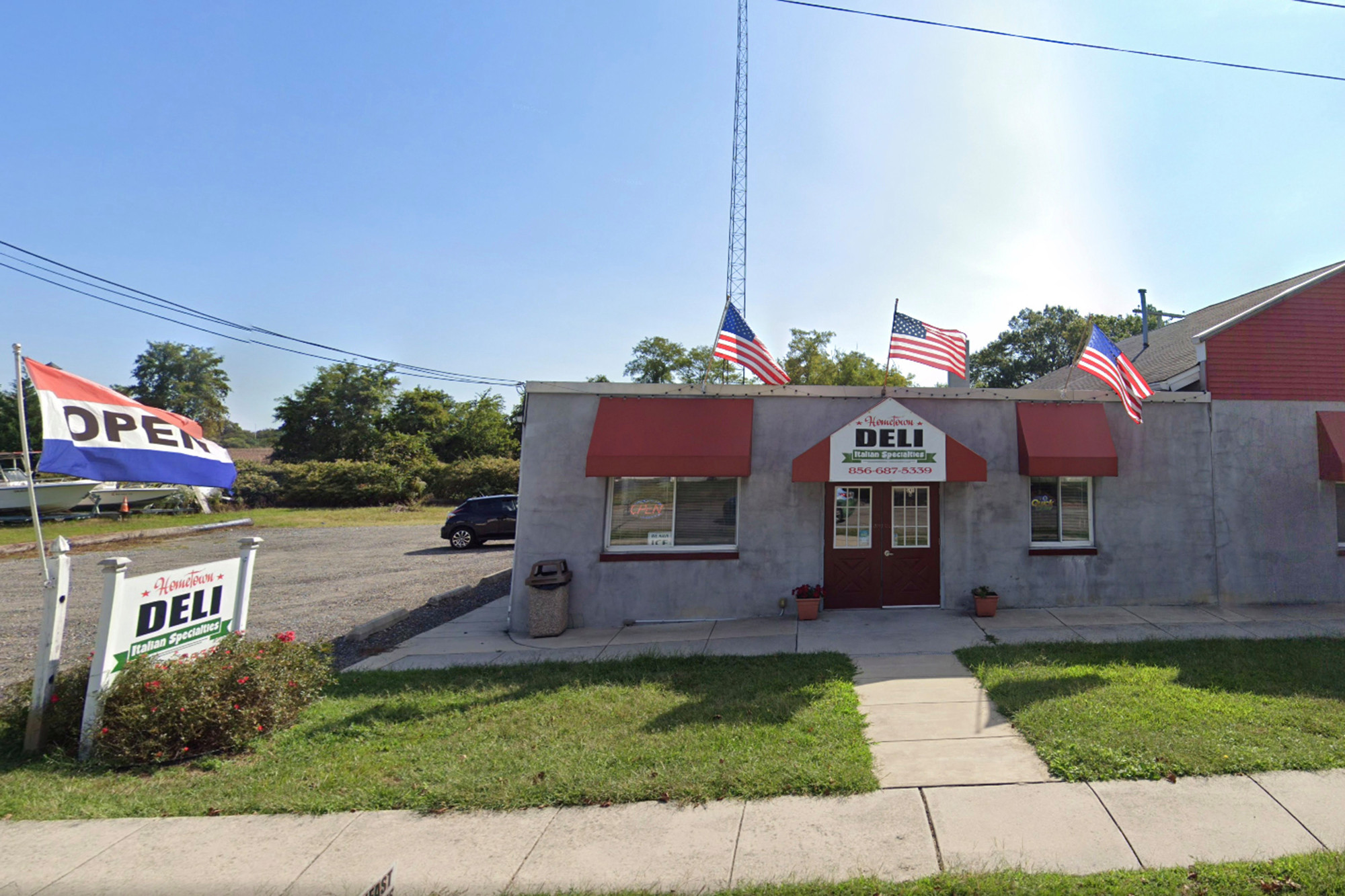
Hometown International — the New Jersey company valued at more than $100 million on the stock market despite running just a single deli — is in fact a shell company that’s part of a complex, international reverse-merger plan, according to a report.

Peter Coker Jr., the Asia-based chairman and recently appointed CEO of Hometown, approached a Hong Kong hedge fund called Maso Capital Partners in early 2020 about using Hometown as a shell company for a reverse merger, according to the New York Times Magazine.

Reverse mergers allow a private company to go public by merging with a firm that’s already listed on a public market and essentially take the place of the pre-existing “shell.”

The process has been criticized for, among other matters, allowing companies to bypass the intense scrutiny and disclosure requirements of a traditional initial public offering.

In this case, the idea reportedly was to use Hometown’s listing on the over-the-counter US markets to give a foreign company access to American capital by merging with Hometown.

Manoj Jain, an alumnus of Credit Suisse and co-chief investment officer of the Hong Kong-based hedge fund Maso, confirmed to the Times that the firm still plans to execute a merger with Hometown.

“We took the opportunity to invest in Hometown at a reasonable valuation, with the ability to assist in its acquisition strategy using our extensive network of private companies,” Jain is quoted as saying.

It’s unclear exactly when Maso made its initial investment in Hometown, which the Times pegged at $2.5 million, but the stock price of the company was much lower at the beginning of 2020 and only began to rise in the spring and through the summer.

Paul Morina, the principal and head wrestling coach of Paulsboro High School in New Jersey was listed in financial records as the president of Hometown International, which owns a single delicatessen.Jersey Sports Zone Youtube

Jain added that he plans to find a target company that wants to merge with Hometown for under $500 million, according to the Times. The target would then take Hometown over, acquiring a greater than 51 percent share.

“The name changes, the ticker changes, the board changes, the management changes, everything changes as the target company enters the U.S. capital market,” Jain explained.

But all that doesn’t answer the question of Hometown’s bizarre valuation of nearly $100 million despite it losing cash and doing just over $35,000 in sales over the past two years combined.

When asked to comment on the suspicious trading activity that pushed the firm’s valuation to eyebrow-raising heights last year, Jain told the Times, “Maso Capital has no knowledge on the buying or selling in HWIN.”

HWIN is the stock ticker that Hometown International uses.

Jain noted that Maso has not traded any of its shares in the company since its initial investment.

A former Securities and Exchange Commission staffer speculated to the Times that the run-up in Hometown’s valuation could be part of a long-term plan to “uplist,” or move the stock from the over-the-counter markets, in which buyers and sellers deal directly with one another, to an exchange like the NYSE or Nasdaq, which are centralized.

Market capitalization is one criteria exchanges consider when deciding to list companies. Listing on an exchange would make it easier for shareholders to trade stock in the company.

The Times noted, though, that Hometown faced various other barriers to finding its way to a major exchange, if that was the goal.

Representatives for Maso and Hometown did not return The Post’s request for comment.

The latest development comes weeks after Hometown International first drew scrutiny when hedge fund manager David Einhorn pointed out the company’s bizarre market capitalization.

Einhorn used the publicly traded company, which is listed on the over-the-counter market, as a warning sign for investors in a letter to clients.

Einhorn noted that the company had reached that eye-popping valuation despite reporting total sales of less than $37,000 over the past two years and was closed for nearly half of 2020 due to pandemic restrictions.

“The pastrami must be amazing,” Einhorn wrote in April.

Later that month, the management of Hometown International disavowed the company’s valuation, according to SEC filings.

“Management is aware of no basis to support the company’s stock price, based upon its revenue or assets,” the company said in an April 30 statement.

Robinhood rival crypto exchange Kraken launches new app

Kraken, a cryptocurrency exchange with a reported $20 billion valuation, is launching a new trading app — but don’t expect digital confetti showers when you use it to buy Bitcoin.

The San Francisco-based crypto platform already has a “Kraken Pro” app targeted at professional investors, but its newest product is a bet it can bring in retail traders by facilitating simple transactions like buying $100 of bitcoin, and then eventually graduate to more complicated transactions like shorting Dogecoin on margin.

Indeed, Kraken’s strategy is to keep customers for their entire life cycle by offering a whole suite of products, said Jeremy Welch, Kraken’s chief product officer.

“We realized that consumers need our expert security, great design and core mission just as much or more than professionals,” Welch told The Post.

In some ways, the new Kraken app that launched Wednesday is a foil to Robinhood. Kraken makes money on transaction fees; Robinhood advertises commission free trading but makes ends meet with the controversial “payment for order flow” practice that sells information about user’s trades to brokers.

Until recently, Robinhood also had used controversial “gamification” features like digital confetti, which have stirred concerns from regulators. In addition to a simpler interface that doesn’t offer the same rush of dopamine, the Kraken app vets all 50 cryptocurrencies it allows users to trade on the platform.

Kraken allows users to trader more than 50 kinds of cryptocurrencies.Getty Images

Robinhood CEO Vlad Tenev was forced to defend the company’s actions in front of top political figures earlier this year. And newly tapped SEC chief, Gary Gensler, vowed to look at Robinhood’s business model, cautioning investors in a hearing earlier this month that there’s no such thing as a free app.

“There are costs. It’s like an iceberg: Most of the iceberg is below the surface,” Gensler said.  “The costs are below the surface.”

Kraken, which has largely avoided pitfalls and run-ins with regulators, is angling to take itself public in 2022.