TokyoTokyo Mon - Fri 10:00-18:00 +81 (366) 701-751
info@mountequitygroup.com

Blog

Twitter urges Indian government to respect freedom of expression

Twitter on Thursday said it is worried about the safety of its staff in India and called for the government to respect freedom of expression, days after Indian police visited its office in New Delhi over its labeling of a tweet by a governing party spokesman as “manipulated media.”

Twitter has been involved in a tense battle with the Indian government, which has often asked it to restrict content alleging Prime Minister Narendra Modi’s administration is trying to silence criticism, including of its handling of the coronavirus pandemic.

Twitter said it has “concerns with regards to the use of intimidation tactics by the police” and “the potential threat to freedom of expression for the people we serve.”

India’s IT ministry called Twitter’s statement “totally baseless, false and an attempt to defame India.” It said Twitter should “comply with the laws of the land” instead of “dictating what India’s legal policy framework should be.”

The ministry also said representatives of social media companies including Twitter “are and will always remain safe in India.”

On Monday, Indian police visited the Twitter office in New Delhi to serve a notice directing it to answer questions about its tagging of the tweet as manipulated.

“It appears that Twitter has some information which is not known to us on the basis of which they have classified it as such,” police said in a statement.

A Twitter logo adorns a rickshaw outside a Metro station in New Delhi.NurPhoto via Getty Images

On Wednesday, the messaging app WhatsApp filed a lawsuit in Delhi High Court arguing that new government rules that require it to make messages “traceable” to external parties are unconstitutional and undermine the fundamental right to privacy.

WhatsApp currently uses end-to-end encryption for its messaging service, which encrypts messages in such a way that no one apart from the sender and receiver are able to read the messages sent between them.

Sweeping new regulations for technology companies were announced in February that hold them more accountable for content shared on their platforms. A 90-day grace period for complying with the rules ended Wednesday.

Leaders from Modi’s party last week tweeted portions of a document they said was created by the main opposition Congress party to make the government look bad over its handling of the pandemic. Some Congress leaders complained to Twitter, saying the document was forged. In response, Twitter marked some posts as “manipulated media.”

Under Twitter rules, it applies “manipulated media” tags to posts that have been “deceptively altered or fabricated.”

Twitter said in its statement Thursday that “to keep our service available, we will strive to comply with applicable law in India.”

“But, just as we do around the world, we will continue to be strictly guided by principles of transparency, a commitment to empowering every voice on the service, and protecting freedom of expression and privacy under the rule of law,” it said.

Critics accuse Modi’s government of silencing criticism on social media, particularly Twitter, a charge senior leaders of the governing party have denied.

The number of Twitter users in India grew steadily throughout the last decade.statista.com

The new social media regulations give the government more power to police online content. They require internet platforms such as Facebook and Twitter to erase content that authorities deem to be unlawful and to help with police investigations, including identifying the originators of “mischievous information.”

Social media sites, including Twitter, Facebook and WhatsApp, were given three months to comply.
DOJ reportedly tells casino mogul Steve Wynn to register as foreign agent

The Department of Justice has reportedly told casino mogul Steve Wynn to register as a lobbyist for China over his 2017 efforts to curry favor with Chinese authorities.

At the root of the order is Wynn’s efforts to persuade American officials to send Guo Wengui, a Chinese businessman with ties to former President Donald Trump, back to his home country, The Wall Street Journal reported. 

Guo, who fled to New York in 2014, has been charged with a range of crimes in China including sexual assault and corruption — and Chinese authorities consider him a fugitive.

He has denied all allegations, saying that he simply fell out of favor with Communist Party officials in China.

Prosecutors have prepared evidence about Wynn’s work in recent months, readying for court if he doesn’t register as a foreign lobbyist on his own, the Journal reported.

The law, the Foreign Agents Registration Act, doesn’t provide for civil penalties, but the Justice Department could seek a court order to force Wynn to comply, the report said.

Guo Wengui fled to New York in 2014.AFP via Getty Images

“Steve Wynn never served as an agent or lobbyist for China or anyone else,” Wynn’s attorney, Reid Weingarten, told the Journal. “He was merely a loyal messenger of information he received to our government.”

“Any effort to pursue him in any way for this conduct would be both a miscarriage of justice and an unwarranted extension of the FARA statute,” Weingarten added.

Wynn, who stepped down as CEO of Wynn Resorts in 2018 amid sexual misconduct allegations, oversaw the construction and operation of several notable hotels in Atlantic City and Las Vegas, including the Mirage and Bellagio. The billionaire is often attributed with building the modern Las Vegas Strip. 

Donald Trump, Heidi Klum and Steve Wynn are seen at an event for The Society of Memorial Sloan-Kettering Cancer Center.WireImage

His former company, Wynn Resorts, is one of the few US companies to operate a hotel and casino in Macau, a Chinese territory that’s become a gambling powerhouse. 

Wynn has also been a prolific donor to Trump and other Republicans. At the time of his alleged lobbying on behalf of China in 2017, Wynn was the national finance chairman of the Republican National Committee.

Guo, meanwhile, is a member of Trump’s Mar-a-Lago resort in Florida and is an associate to former Trump adviser Stephen Bannon. 

Steve Wynn is often attributed with building the modern Las Vegas Strip.FilmMagic

“I am glad to hear the DOJ is investigating Steve Wynn and frankly believe they should criminally indict him for serving as a greedy spy of the Chinese Communist Party,” Guo told the Journal.

How Google is trying to keep advertisers happy while also improving user privacy

In this articleGOOGLGoogle signage.NurPhoto | Getty ImagesAt Google’s annual marketing event Thursday, the company is showcasing ways advertisers will continue to be able to reach consumers as it reduces support for tracking cookies, which advertisers have used for decades to track users across sites to target ads and measure how effective they are.Google’s Marketing Livestream is meant to give advertisers, agencies and other partners a sense of the tech giant’s roadmap for the year ahead, and to seek feedback. Jerry Dischler, VP and general manager of Ads, one of the presenters, told CNBC that Google will be discussing privacy, measurement and automation at the event.With regulators taking a closer look at user privacy, and consumers becoming more concerned about the use of their personal data, tech giants are trying to get ahead by making changes in the name of privacy. Google announced its intention in early 2020 to end support for third-party cookies on its Chrome browser within two years.But advertising remains Google’s core business, and it needs to keep advertisers happy. The company has been the market leader in online advertising for well over a decade, and is expected to command nearly a 29% share of digital ad spending globally in 2021, according to eMarketer In 2020, its parent company Alphabet generated almost $183 billion in revenue. Of that, $147 billion — over 80% — came from Google’s ads business, according to the company’s 2020 annual report. Here’s what Google plans to discuss with advertisers Thursday:PrivacyOne area of focus at Thursday’s event is the company’s work with the industry on technologies that it considers to be centered on privacy techniques, but which also support advertising purposes.”It’s very clear that consumer expectations have changed around privacy. And we’re also seeing signs that governments and regulators think about privacy differently,” Dischler said. “And we want to be able to build for a durable privacy-preserving future that allows key advertising use cases to work.”One of these options, Federated Learning of Cohorts (FLoC), would essentially put people into groups based on similar browsing behaviors, meaning that only “cohort IDs” and not individual user IDs would be used to target them. It has already received some pushback from privacy advocates, and some publishers have said they’re declining to test the tool, Digiday reported in April. Google says it believes FLoC improves user privacy while still supporting relevant advertising, and said proposals from others in the ad tech space seeking to replace third-party cookies with alternative identifiers may work for large publishers. But a spokeswoman said the company has to “think about the diverse range who use our product including long-tail pubs.” Those publications might not have the same amount of first-party data as larger publishers would have.”Right now, what we’re hearing from some publishers is they’re skeptical. They’re saying, ‘Hey, well, we have these alternatives. And we think that this is going to preserve everything that we wanted. So why should we have to make the trade-off?'” Dischler said. “Now, our position is that those solutions aren’t durable, and we should be building for the long term future.”Google also argues that users’ personal browsing history doesn’t leave their browser or devices in FLoC, and excludes cohorts if they reveal potentially sensitive information. The company also said Chrome is introducing a control to let users opt-out of inclusion in FLoC and other Privacy Sandbox proposals.MeasurementGoogle plans to discuss solutions for advertisers who want to continue measuring ad performance in a different kind of environment.”The privacy environment is changing. And our ability to access data is limited,” Dischler said. “But at the same time, advertisers have certain expectations around how they measure their return on investment, and we want to serve them. And so we’re using through a combination of first-party data and forecasting, we’re able to approximate the precision that they had before with these new systems.” The company said it’s investing in products that help advertisers get more information on consumer behavior and purchase decisions using machine learning. Google also recently told advertisers they would be able to use opted-in first-party data for measurement even following the cookie changes. The company said it’s expanding the availability of something called “Customer Match,” which lets advertisers use online and offline data that customers have shared to target ads to them and other customers like them.Investing in automationThe company plans to give updates on upcoming moves in automation as well. Google offers a slew of automated products — for instance, one product lets advertisers enter in multiple headlines and descriptions to create a “responsive” search ad, then Google Ads automatically tests those combinations to learn which perform the best. Google said more than 80% of its advertisers use automated bidding, in which an advertiser picks a strategy — like trying to increase site visits or to get the most conversions for a given budget — and then lets Google automatically set bids try to reach those goals.The company said it’s expanding the ability of advertisers to target return-on-ad-spend strategies on more of Google’s channels, including YouTube, Search, Display and more.”The people who were using our automation gave us their business objectives. And they are relying on the power of machine learning to figure out how to adapt that business objective to our various advertising systems across all of these channels,” Dischler said. “When we saw that these systems would be durable to a shock like Covid, we said okay, this really is the best solution for most advertisers in every possible situation. So we’ve increased our investment there.” In part, that means expanding its “Performance Max” campaigns more broadly after starting tests last year, with general availability coming later in 2021. Google says this type of campaign uses its automation to drive better results across all of its channels.

Department of Justice investigating Archegos collapse: report

The US Department of Justice has reportedly launched a probe into this spring’s dramatic implosion of Archegos Capital Management, which slammed some of the world’s biggest banks with more than $10 billion in losses.

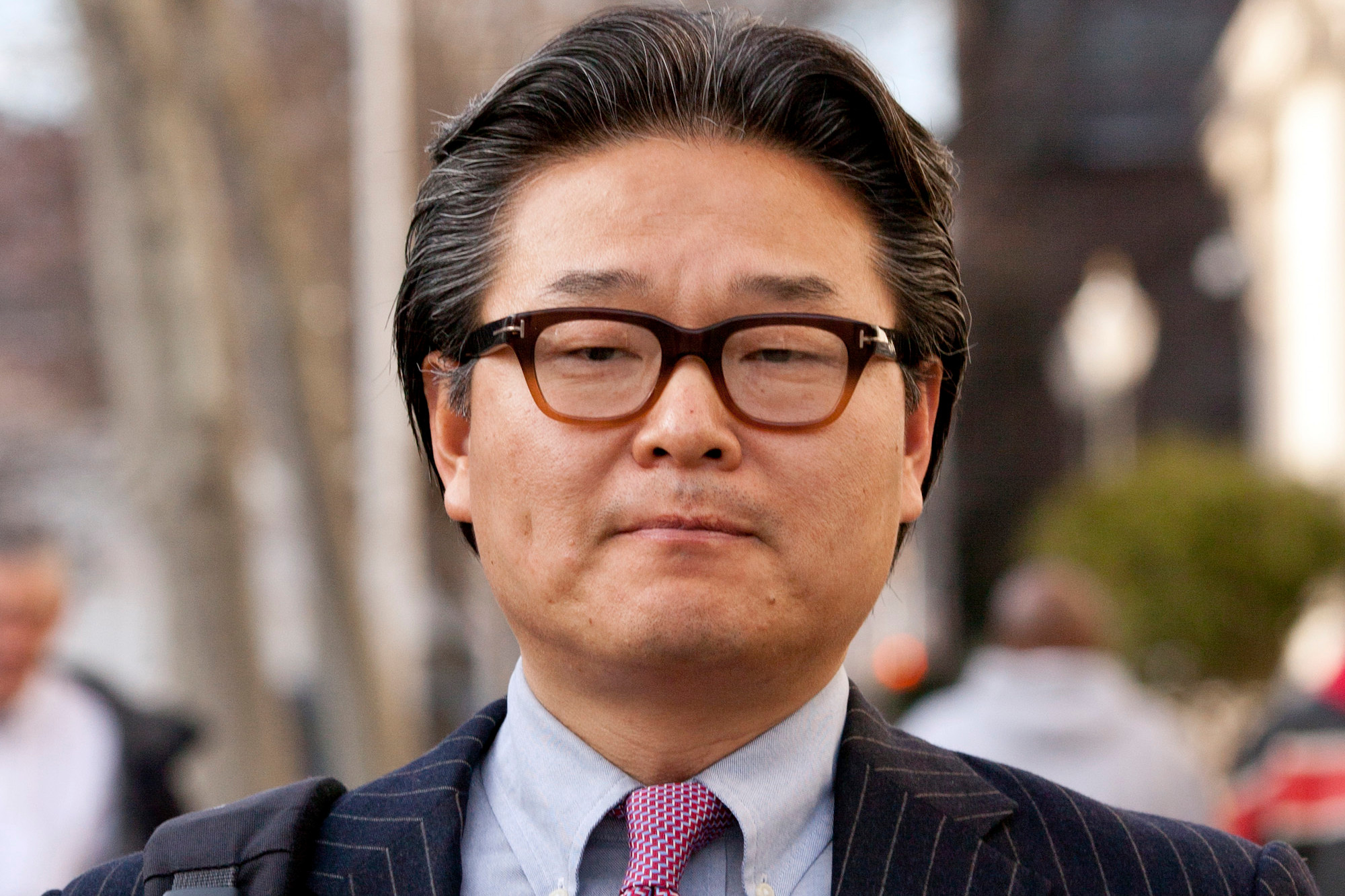
Federal prosecutors sent requests for information to some of the banks that conducted business with the massive but little-known family office run by disgraced financier Bill Hwang before its epic collapse in March, according to a Bloomberg report.

Hwang relied on massive leverage and risky derivatives to take concentrated positions. When the massive bets he’d made on ViacomCBS and Discovery went south, he failed to meet margin calls and his brokers tried to liquidate their positions — his collateral — as quickly as possible.

The move spurred a frantic, market-melting fire sale that left Credit Suisse with more than $5 billion in losses and Japanese bank Nomura with $3 billion in losses. US banks like Goldman Sachs were quicker to get out of their positions and escaped the incident largely unscathed.

The implosion of Archegos Capital Management slammed banks across the globe, saddling them with a combined $10 billion in losses.Alamy Stock Photo

In the wake of the Archegos collapse, regulators have sought to understand how one person could have controlled so much stock without disclosing it. The Securities and Exchange Commission opened an investigation Hwang’s actions just weeks after the incident. The new SEC Chairman Gary Gensler has said he may look to expand regulation of family offices — possibly by requiring that they disclose their positions.

People close to Hwang are quick to note there’s no evidence he did anything illegal and say they are unaware of any criminal investigations. The probes being conducted now may be just to gather more details on the events and possibly introduce stricter rules for family offices, according to the report.

The Credit Suisse building in Canary Wharf on March 30, 2021 in London, England. Getty Images

A spokesperson for Archegos did not respond to request for comment. A spokesperson for the DOJ did not respond to request for comment.

Doordash glitch deposits thousands of dollars in driver accounts — then takes it back

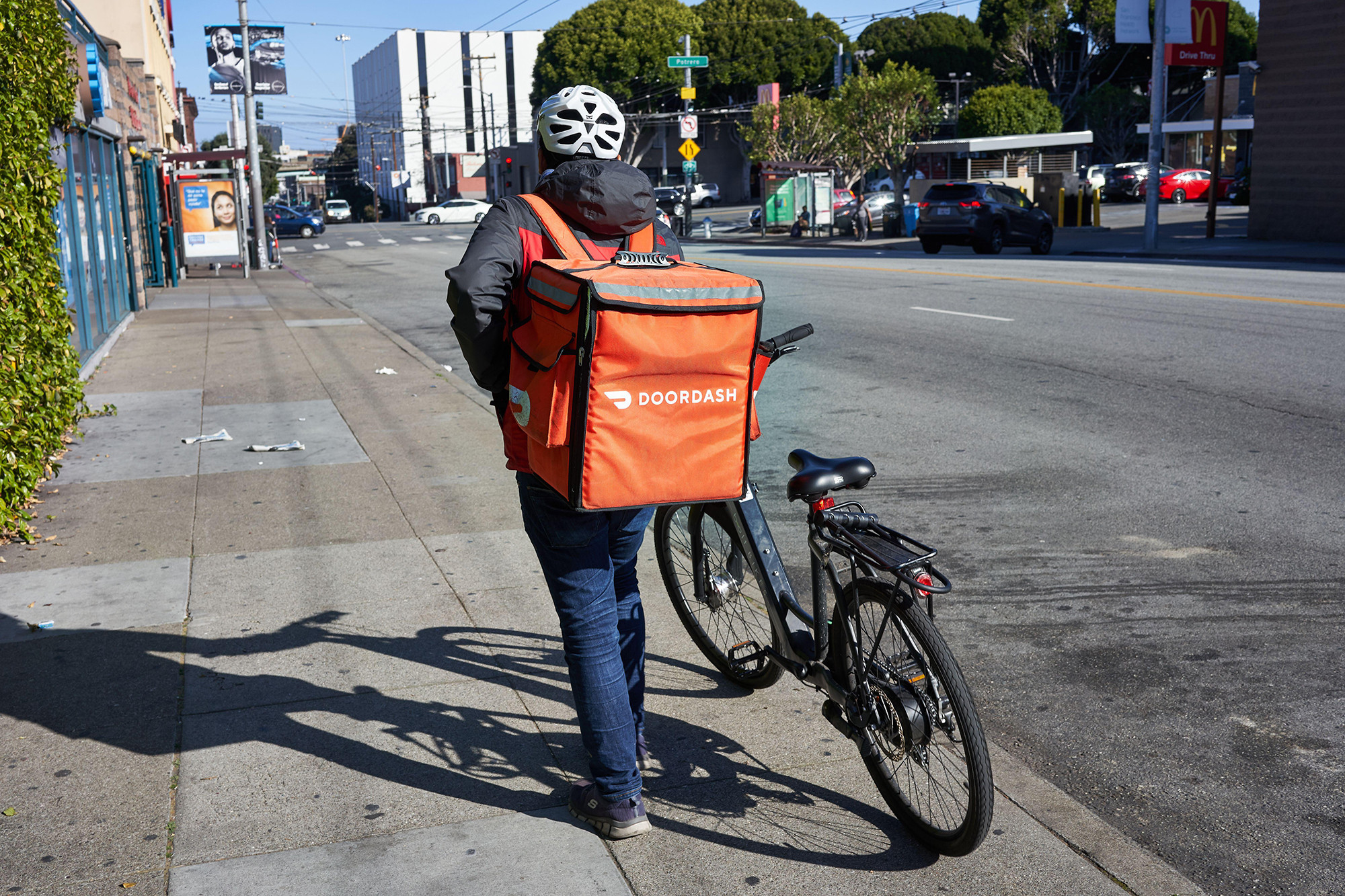
A Doordash glitch gave some California delivery workers thousands of dollars in extra pay — before the company yanked the money back.

Some of the delivery app’s workers saw $3,000 to $4,000 extra dollars appear in their accounts and then vanish into thin air, according to a series of online posts by employees first reported by Vice. 

For some drivers, the fleeting bonus was worth more than a month of pay.

“My jaw dropped when I saw over $3,000 in my account,” a Northern California DoorDash driver named Dave who typically earns that amount in five weeks told Vice. “I thought maybe they’re giving me backpay.”

While some drivers momentarily received extra money from the glitch, others apparently had thousands deducted from their accounts. In a Reddit forum for DoorDash drivers, a worker who had not received an accidental bonus posted a screenshot showing a negative account balance of more than $6,000. 

“You cannot transfer because you currently owe -$6,339.32,” read a message displayed by the app. 

Doordash deliverers, which the company does not classify as employees, vented their frustration with the situation online. 

“We aren’t employees to [Doordash],” wrote one member of the Reddit forum. “We’re officially slaves to them.” 

Doordash did not immediately reply to a request for comment.

Some drivers claim Doordash actually took money out of their accounts, forcing them to demand that it be put back.Getty Images

This is not the first time the company has caught heat for alleged mistreatment of its food-fetchers. 

After reports that the company was allowing customers enter tips through its app and then pocketing the money instead of giving it to delivery workers, a series of lawsuits that eventually resulted in a $2.5 million settlement in Washington D.C., the Mercury News reported. 

SoftBank is backing buy-now-pay-later firm Klarna in funding round that values it at over $40 billion

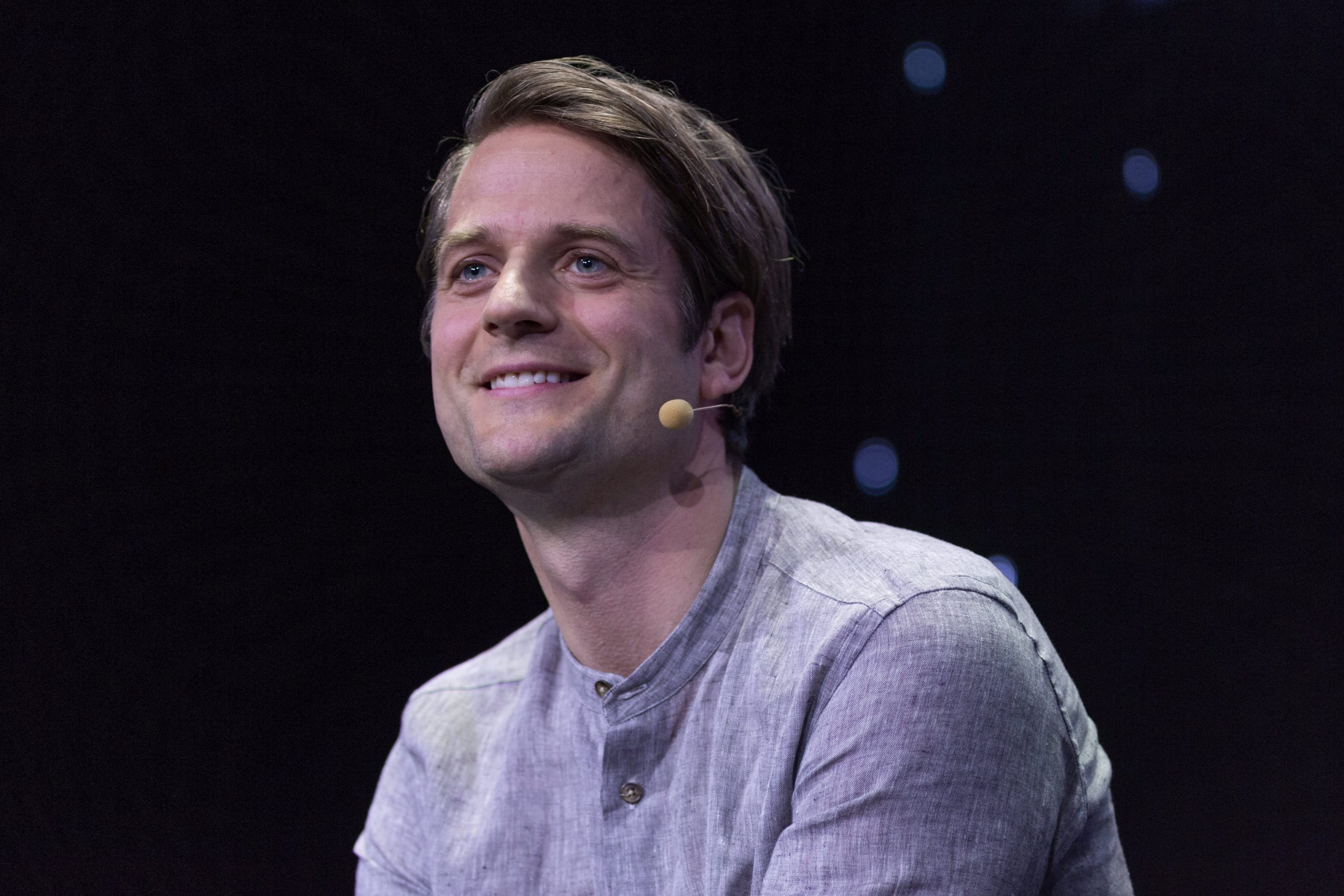
In this article9984.T-JPKlarna CEO Sebastian Siemiatkowski speaks at a technology and music conference in Stockholm, Sweden.Johan Jeppsson | Bloomberg via Getty ImagesKlarna, a European buy-now-pay-later company, is close to securing a new funding round at a valuation of more than $40 billion, according to a source familiar with the matter.The investment is being backed by SoftBank and multiple other investors, said the person, who asked to remain anonymous as the details have not yet been made public.The news, which comes ahead of a potential blockbuster stock market listing, was first reported Thursday by Business Insider.The exact size of the investment round is unknown. However, it is expected to be less than the $1 billion that Klarna raised in March, when it was valued at $31 billion, according to Business Insider.Klarna declined to comment when contacted by CNBC.Klarna is already listed as a portfolio company on SoftBank’s website through the firm’s Vision Fund 2. Klarna is also backed by big-name investors like Snoop Dogg and China’s Ant Group. A SoftBank spokesperson was not immediately available to comment.If the deal goes through, Klarna will cement its place as European’s most valuable private tech unicorn, surpassing the likes of Amazon-backed food delivery service Deliveroo and online payment processor Checkout, which hit a $15 billion valuation in January.Less than three hours after the funding round was first reported, Klarna CEO Sebastian Siemiatkowski announced on Twitter that the company has experienced a “self-inflicted incident.””So sad and frustrating to realize that we have had a self-inflicted incident, for 30 min, affecting the privacy of some of our users,” he said, indicating that the company may have experienced a data breach of some sort.”Full attention from all colleagues to bring back things to normal, take actions to avoid this going forward and communicate broadly,” added Siemiatkowski.Klarna continues to grow rapidly more than a decade after it was founded, and has made significant strides expanding into the U.S. It got a big boost last year from heightened demand for buy-now-pay-later plans, fueled in part by coronavirus lockdowns that accelerated a shift toward online shopping.At the same time, the heightened demand for buy-now-pay-later products has drawn scrutiny from regulators in the U.K., who are set to bring in strict new rules governing the sector.”We are, with this product, challenging a massive industry that has overcharged consumers with overdraft fees, with interest bearing terms of use,” Siemiatkowski told CNBC in February. “There’s a lot of misconceptions in the U.K., but when we get the chance to sit down with U.K. politicians … they get convinced and then they switch sides.”Klarna hit $1 billion in annual revenue for the first-time last year, posting record operating income of $1.2 billion. However, losses also accelerated 50% due to increased costs associated with international expansion, with Klarna’s net loss coming in at about $109.2 million.Klarna makes money by taking a fee from merchants each time a customer makes a transaction. It says merchants that use its service often see an increase in sales as a result. The company is a regulated bank, and has been increasingly making a drive into retail banking in its home country as well as Germany.

Cybereason CEO told the world about DarkSide's hacking techniques from a bomb shelter in Israel

In early May, Cybereason CEO Lior Div took his first trip back to Israel since before the pandemic to visit his 300 employees based there. It’s a journey he used to make every few months from Boston, where his company is headquartered.The visit was much more eventful than he’d anticipated. A few days into Div’s stay came the news that the operator of the largest U.S. pipeline had been paralyzed by a cyberattack that knocked out a 5,500-mile fuel network.Any big corporate hack catches Div’s interest because his start-up’s business is to keep out the bad guys. The Colonial Pipeline attack was of particular concern because the group responsible, an outfit called DarkSide, had tried to infiltrate one of Cybereason’s clients nine months earlier.”They were fairly sophisticated, active and looked very professional,” Div said in an interview. Cybereason ranked No. 23 on this year’s CNBC’s Disruptor 50 List.More coverage of the 2021 CNBC Disruptor 50Meet the 2021 CNBC Disruptor 50 companiesWhy Robinhood is the No. 1 companyA look back at the CNBC Disruptor 50: 9 years, 233 companiesWhen disruption becomes a force for good — and badWatch: Plaid, a gateway to Coinbase, on crypto investingDiscord lays out its game theory on the virtual ‘space’ of the futureWatch: Chime CEO on building big financial IPO … but maybe not bankClubhouse has ‘millions more’ waiting to join its audio appHow we choose Disruptor companiesIn tracing DarkSide’s roots, Cybereason researchers were so jarred by what they learned that the company had published a blog post at the beginning of April laying out some of its findings. It described DarkSide as a team of extortionists who steal private data and threaten to make it public unless the victim pays a large sum of money — typically between $200,000 and $2 million.They’re called ransomware attacks, and Cybereason had learned that DarkSide was not only a big perpetrator of such cybercrimes, but was also selling a product described as Ransomware as a Service that allowed other groups to use its homegrown tools and similarly wreak havoc for money.When the FBI determined that DarkSide was behind the Colonial Pipeline breach, Div took it upon himself to get word out about the group, how it operates and what companies should be doing to protect themselves. He went to the press, speaking with CNBC, CNN, Reuters, Bloomberg and other outlets.During one of those interviews, the emergency alarms in Tel Aviv started blaring, a signal for everyone in the vicinity to find the nearest bomb shelter. Cybereason’s office has four on every floor.The alarms were sounding because Israel and Hamas-backed Palestinian militants were at the beginning of a bloody 11-day battle. Residents in and around Tel Aviv were facing inbound rockets, while Israelis forces were raining airstrikes on the Gaza Strip.”I continued the interview but went to the bomb shelter,” said Div, who previously served as a commander in the Israeli Defense Force’s 8200 unit that deals with military cybersecurity. “For somebody who grew up in Israel, it’s kind of switching to automatic response.”Israel and Hamas agreed to a temporary cease-fire last week. The death toll from airstrikes in Gaza topped 240, while at least 12 people were killed in Israel.Massive growth in cybercrimeDiv started Cybereason in Israel in 2012, before moving the company to Boston two years later. It’s now one of the fastest-growing players in the burgeoning market of endpoint protection, which involves securing large corporate and government networks and their many devices from the advanced hacking tools and techniques that are proliferating across the globe.Cybereason hit about $120 million in annual recurring revenue at the end of last year, roughly doubling in size from the prior year, Div said. While Div and his management team are in Boston, Cybereason’s 800 employees are spread across Israel, Japan, Europe and the U.S. In 2019, the company raised $200 million from SoftBank at a valuation of around $1 billion.We’re proactively hunting. We’re not just waiting for our software to block things.Lior Div, Cybereason CEOCybereason faces a wide swath of competitors, ranging from tech conglomerates Microsoft, Cisco and VMware to cybersecurity vendors CrowdStrike and SentinelOne (ranked No. 4 on this year’s Disruptor 50 list).Div says Cybereason’s special sauce, and what allowed it to recognize and stop DarkSide before a successful attack, is a web of sensors across the world that automatically identify anything suspicious or unfamiliar that hits a network. If a line of unrecognized code lands on a server that’s being protected by Cybereason, the incident is flagged and the company’s technology and analysts get to work.”We’re proactively hunting,” Div said. “We’re not just waiting for our software to block things. We’re sifting through information that we’re collecting at all times to look for new clues.”In August, when its software detected DarkSide, the company reverse engineered the code and followed the group’s virtual footsteps. It found that the relatively young organization was apparently seeking “targets in English-speaking countries, and appears to avoid targets in countries associated with former Soviet Bloc nations,” the company wrote in the April blog post. Div said Cybereason found 10 attempts by DarkSide to attack its client base — eight in the U.S. and two in Europe.Increasing cost of hackingIn the absence of technology to shield against DarkSide, Colonial Pipeline was forced into a ransom of $4.4 million. According to research firm Cybersecurity Ventures, ransomware damages will reach $20 billion this year, up more than 100% from 2018 and 57 times higher than in 2015.More important than the money, the pipeline incident exposed a severe vulnerability in the country’s critical infrastructure, which is increasingly connected to the internet and protected by a loose patchwork of disparate technologies.The shutdown also caused a disruption in nearly half of the nation’s East Coast fuel supply. Gas prices surged to a seven-year high as consumers panicked during the outage and waited hours in line to fill up.The attack was costly and scary, but Div said the size and scale was nothing compared to what the U.S. saw last year in the SolarWinds intrusion, which hit an estimated nine government agencies and 100 private companies.As many as 18,000 SolarWinds Orion customers downloaded a software update that contained a backdoor, which the hackers used to gain access to the networks. The hack came to light in December, when cybersecurity software vendor FireEye disclosed that it believed a state-sponsored actor penetrated its network primarily to get information on government customers.U.S. authorities pinned the hack on Russia.”The DarkSide sophistication was not anywhere near what SolarWinds did,” Div said. “It’s the difference between a nation-state and non-nation state.”Div said that SolarWinds attackers scanned networks to determine if Cybereason’s software was installed. If they saw that it was present, they bypassed it and moved along to another network.”This is how the malicious code worked,” Div said. “It was self-terminating if it was going to be detected.”SentinelOne said its customers were also spared, based on the so-called Indicators of Compromise (IOCs) in the SolarWinds hack.”In the SolarWinds attack, dubbed ‘SUNBURST,’ SentinelLabs research has confirmed that devices with SentinelOne agents deployed are specifically exempt from the malicious payload used in the reported IOCs,” the company wrote in a post on Dec. 13.Whether it’s ransomware, common hacks such as phishing and malware, or complex spying efforts like with SolarWinds, Div said the frequency of today’s attacks is compelling companies to secure their networks with the most modern threat detection technology.For Cybereason, big clients are typically paying in the hundreds of thousands of dollars per year, which Div says is quite cheap given what just happened to Colonial Pipeline.”To see that somebody paid $5 million on a relatively tiny deal that we could’ve helped them, it’s crazy from my point of view,” he said.WATCH: Robinhood tops CNBC’s 2021 Disruptor 50 list

Bill Gates’ money manager allegedly made racist, sexual comments to staff

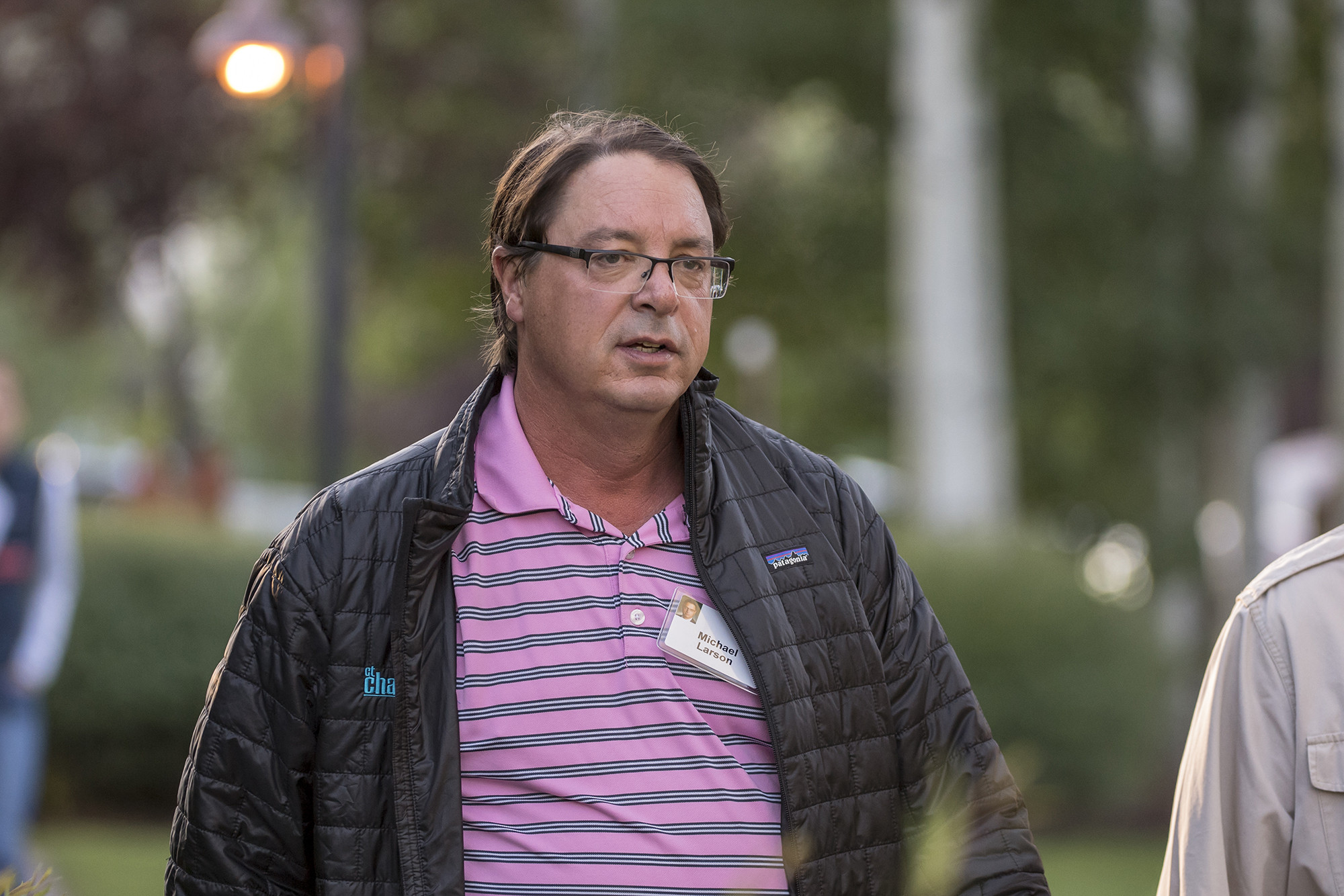
Bill Gates’ money manager of more than 27 years allegedly made racist and sexually offensive remarks, bullied staffers and fostered a culture of fear in the workplace, former employees claimed in a new report.

These former employees described Michael Larson, 61, as a cruel boss who disparaged female employees and retaliated against others who left the firm, Cascade Investment, which is tasked with growing Gates’ massive fortune, The New York Times reported.

Larson allegedly shared photographs with employees of naked women on his phone and compared them to the head of Cascade’s human resources department at the time, the report says.

The Times report also recounts an alleged episode in which Larson was sitting outdoors with a small group of male employees after dinner at a work Christmas party in the mid-2000s. Three female colleagues were about 20 feet away.

“Which one of them do you wanna” have sex with? Larson asked the men, using a profane verb, according to the Times.

Larson allegedly asked another woman at his firm if she would strip for a certain amount of money.

Michael Larson’s accuses allege Bill Gates knew about his money manager’s misconduct.Jeff Pachoud/AFP via Getty Images

When a female staff member was on a weight loss program, Larson reportedly asked, “Are you losing weight for me?” according to someone who heard the remark, the Times reported.

Larson denied making those comments to the Times, saying, “This is not true.”

The Times noted that Larson did not deny all of the allegations.

“During his tenure, Mr. Larson has managed over 380 people, and there have been fewer than five complaints related to him in total,” Chris Giglio, Larson’s spokesman, told the Times. “Any complaint was investigated and treated seriously and fully examined, and none merited Mr. Larson’s dismissal.”

A spokeswoman for Melinda Gates claims she did not know about Michael Larson’s behavior.Michel Stoupak/NurPhoto via Getty Images

The report also alleges that after a black employee, Stacy Ybarra, said she had voted one Election Day, Larson told her she lives “in the ghetto, and everybody knows that black people don’t vote.”

The Times cited two people who heard the comment and a third who was told about it later.

When Ybarra decided to quit her job at Cascade in 2004, Larson became so angry that he shorted shares of her new company in an effort to deflate its stock price, according to the Times, citing three people familiar with the alleged episode.

Michael Larson allegedly showed pictures of naked women on his phone to employees.Scott Olson/Getty Images

Larson would also occasionally denigrate employees as “stupid” and criticize their work as “garbage,” the report said.

In a statement to the Times, Larson acknowledged, “Years ago, earlier in my career, I used harsh language that I would not use today. I regret this greatly but have done a lot of work to change.”

The allegations against Larson come just weeks after the Gateses announced their separation after 27 years of marriage. The allegations also come as Gates’ carefully crafted public image as a nerdish billionaire philanthropist and champion of women’s empowerment unravels amid renewed scrutiny of his relationship with convicted pedophile Jeffrey Epstein and other revelations such as his pursuit of women who worked at Microsoft, the company he founded.

The allegations against Larson, and Gates’ reported knowledge of his longtime money manager’s alleged misconduct, offer more insight into the private operations of Gates and his associates.

At least six people, including four Cascade employees, have complained directly to Gates about Larson’s behavior, the report said, citing former employees and others with direct knowledge of the complaints. Several also complained to Gates’ now-estranged wife, according to the Times.

Cascade made payments to at least seven people who knew about Larson’s behavior so that they’d agree not to speak about their time at the firm, according to the report.

Cascade, also called Bill and Melinda Gates Investments, made several hush money payments to people who knew about Michael Larson’s misconduct. Frederic Stevens/Getty Images

Bridgitt Arnold, a spokeswoman for Gates, told the Times that Bill and Melinda Gates Investments, a name sometimes used to refer to Cascade, “does not tolerate inappropriate behavior.”

She added that “any issue raised over the company’s history has been taken seriously and resolved appropriately.”

Courtney Wade, a spokeswoman for Melinda French Gates told the Times that she “was unaware of most of these allegations given her lack of ownership of and control over BMGI.”

US workers file 406,000 new jobless claims as economy heats up

The number of Americans seeking new unemployment benefits continued to drop last week to a new low during the pandemic, the feds said Thursday.

Initial worker filings for jobless claims, seen as a signal of layoffs, reached 406,000 last week, down from a 444,000 reported the prior week, according to data released Thursday by the Labor Department.

Economists surveyed by Dow Jones expected 425,000 new jobless claims. 

Despite falling new jobless claims, almost 16 million Americans were still on some form of government assistance through all unemployment programs as of early May.

Still, the downward trend of new claims is an indication of a labor market that appears to be healing, albeit slower than expected.

Companies have reported struggling to recruit new workers in recent weeks, with many citing pandemic-boosted federal unemployment benefits as a cause. Other reasons for the labor crunch include fear of getting COVID-19 and school closures keeping parents at home, economists say.

Some economists have warned that the labor shortage could hold back the US economic recovery.

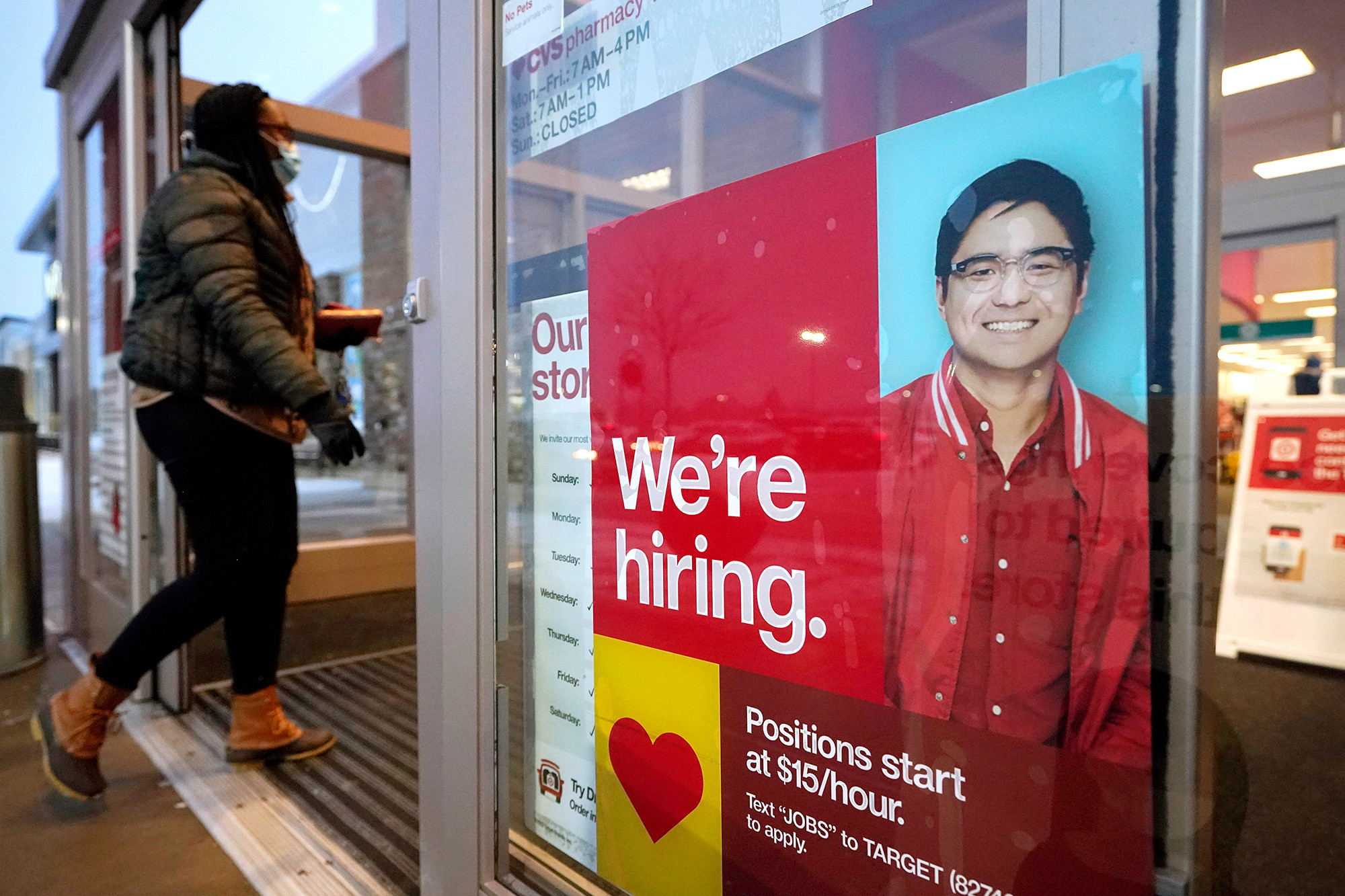
a “Now Hiring” sign hangs on the front wall of a Harbor Freight Tools store in Manchester, N.H.Charles Krupa/AP

At least 23 states with Republican governors are now looking to lure workers back into the labor market by withdrawing from the federal program that provides an extra $300 in additional unemployment benefits every week.

Mark Hoplamazian, CEO of Hyatt Hotels, told CNBC earlier this week that the company is seeing demand rise again, but is struggling to hire enough new workers to keep up. However, he added, the company is seeing hiring rise in states that have announced plans to end the extra benefits.

“We have seen increases in the number of applicants for jobs in states where the governors and the state legislatures have actually suspended the additional unemployment benefits that the federal government had mandated,” he said. 

Other companies have announced wage increases and other perks to lure new workers. One McDonald’s in Illinois is even offering new workers a free iPhone if they work there for at least six months.

White House press secretary Jen Psaki gestures to chart showing the rate of unemployment insurance claims during a news conference at the White House on May 27, 2021.Getty Images

Some companies, politicians and economists have said the extra benefits add up to more than what businesses can afford to pay people, particularly for entry level jobs.

The White House, in turn, has defended the extra benefits, saying that businesses should pay people more. President Biden has added that, “If you’re receiving unemployment benefits and you’re offered a suitable job, you can’t refuse that job and just keep getting the unemployment benefits.”

Investing app Acorns to go public through a blank-check merger valued at $2.2 billion

In this articleSPCXPACXNoah Kerner, CEO of Acorns.Adam Jeffery | CNBCSavings and investing app Acorns plans to go public by merging with a blank-check company.The fintech start-up announced a deal Thursday to combine with Pioneer Merger Corp., a publicly traded special purpose acquisition company, or SPAC. The merger values Acorns at roughly $2.2 billion and is expected to close in the back half of this year.When it is finalized, Acorns will trade on the Nasdaq under the symbols OAKS — a nod to the company’s motto and analogy of growing acorns into “mighty oaks.””Now was the time to go public to accelerate our growth, and get the tools of responsible wealth-making in everyone’s hands as fast as possible, when they need it most,” said Acorns CEO Noah Kerner. “We just saw this as an accelerant on that journey.”Institutional investors Wellington Management, Greycroft, TPG’s global impact investing platform, and funds managed by BlackRock also committed to a private placement as part of the announcement. Kerner and Pioneer’s sponsor each plan to contribute 10% of their personal ownership in Acorns as a gift to eligible Acorns customers.The company was last valued at less than $1 billion, and has attracted venture investments from the likes of PayPal Ventures, BlackRock, Ashton Kutcher, Jennifer Lopez, and Dwayne Johnson, according to PitchBook.(Comcast owns CNBC’s parent company, NBCUniversal, and is an investor in Acorns. CNBC has a content partnership with Acorns.)Irvine, California-based Acorns had been in the process of closing another private funding round, Kerner said, but decided to go the recently popular SPAC route. He pointed to John Christodoro, a PayPal board member and chairman of Pioneer Merger, as the right partner and one reason Acorns bypassed a traditional IPO.”Acorns is not only a category leader but also a category creator. Its value proposition is built around inclusive, long-term financial wellness,” Christodoro said in a statement. “With integrity at its core, the brand has an incredibly loyal following and market leading retention rates.”Acorns’ most popular offerings let customers automatically invest the spare change from debit or credit card purchases into index funds. Since launching in 2014, it has expanded into educational offerings, banking products, a debit card, and an automated retirement account service.Special purpose acquisition companies, known as SPACs, raise money through a shell company to buy an existing company. This has become a popular way for later-stage, venture-backed start-ups to list on public markets quickly this year. New issuances of SPACS dropped off in April though, with just 10 new ones coming to market versus 109 a month earlier, according to SPAC Research.Trading tailwindsThe Acorns listing comes on the heels of record growth for investing apps during the pandemic. Part of that was thanks to a frenzy around GameStop and other “meme stocks.” The trading mania has brought new attention to the markets, and driven millions of first-time investors to platforms such as Schwab, Robinhood and Interactive Brokers.But it’s benefitting passive investment apps, too. Wealthfront and Betterment both notched their best quarters in history to start year. Kerner said the first quarter was also Acorns’ best three months on record with subscribers doubling from the fourth quarter to 4 million. The start-up’s revenue is made up of roughly 80% subscription fees, and 20% transaction fees and brand partnerships.When asked about growing competition, Kerner said “we run our own race.””We’re focused on long term financial wellness and helping customers get and stay committed to their long-term financial best interests,” he said. “Our vision is to build a financial wellness system that enables everyday Americans to save and invest.”