TokyoTokyo Mon - Fri 10:00-18:00 +81 (366) 701-751
info@mountequitygroup.com

Blog

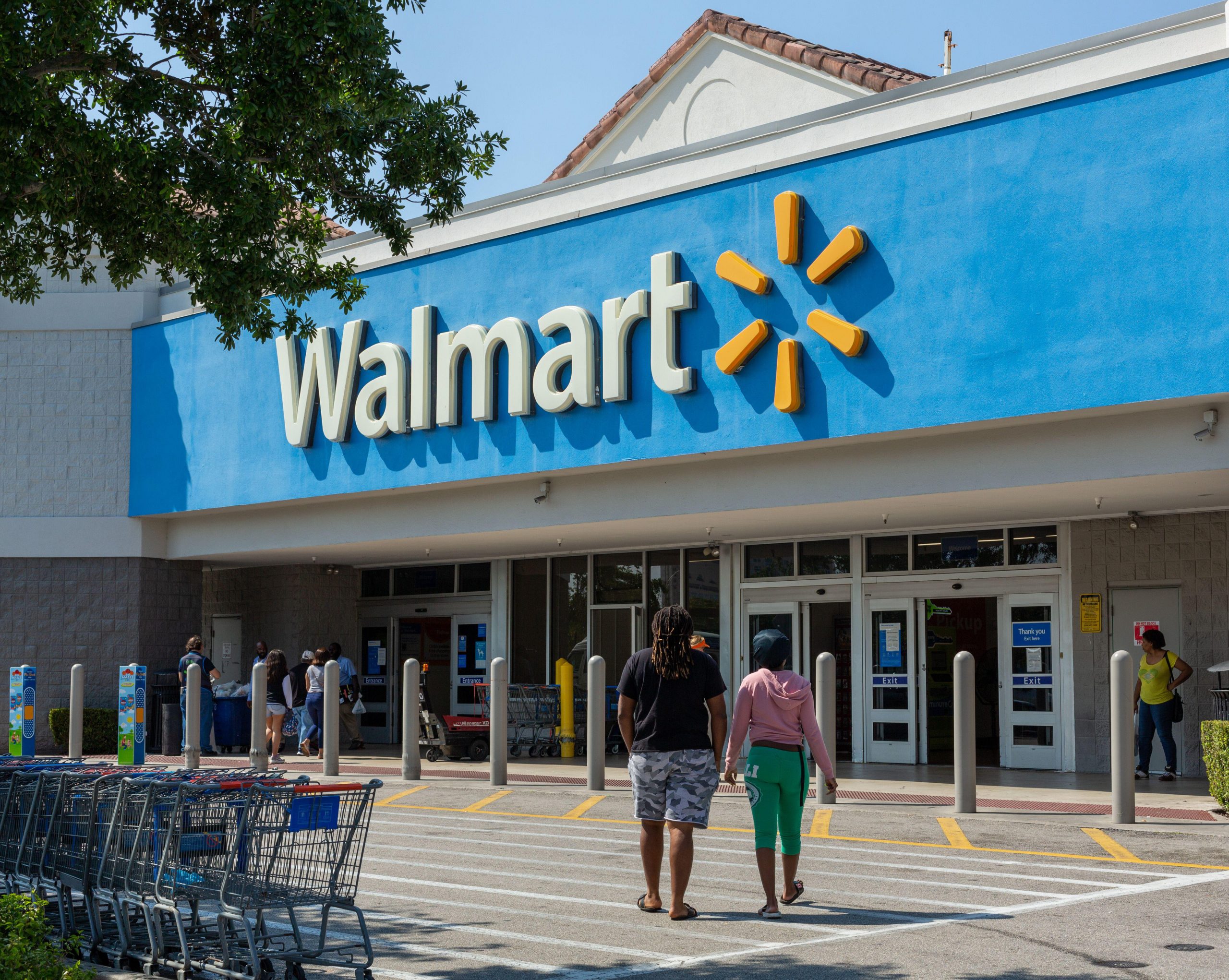
Walmart blames fraudster for racist emails sent to customers

A fraudster created false Walmart accounts to send emails with a racist slur to customers, the company said.

The perpetrator found other people’s email addresses and signed them up for a Walmart account. The company sent an auto-generated “Welcome to Walmart” email, but the email replaced the person’s actual name with the slur.

A woman was emailed from a Walmart account calling her the N-word.Twitter

It’s not clear how many people received the email, but dozens complained about the “very disturbing email” on Twitter.

Walmart spokeswoman Molly Blakeman said in an email that the perpetrator “created false Walmart accounts with obvious intent to offend our customers.”

“We were shocked and appalled to see these offensive and unacceptable emails,” she said. “We’re looking into our sign up process to ensure something like this doesn’t happen again. We’re also looking into all available means to hold those responsible accountable.”


VW reportedly receives $9B offer for Lamborghini

Volkswagen has received a 7.5 billion euro offer ($9.2 billion) for Lamborghini, Autocar reported on Tuesday, though VW’s Audi said the luxury supercar brand was not for sale.

The non-binding offer sets out terms for the purchase of Automobili Lamborghini by Switzerland’s Quantum Group AG, which has formed a consortium with London-based investment firm Centricus Asset Management, Autocar reported.

The report, citing offer documents, also said that the consortium would include job assurances for existing Lamborghini employees for up to five years and the creation of 850 new jobs.

Volkswagen confirmed that there was agreement in the group that Lamborghini, which has been named repeatedly as a possible divestment candidate, will remain part of Volkswagen.

Asked to comment on the Autocar report, a spokesman for Volkswagen unit Audi, which is in charge of Lamborghini, said: “This is not the subject of any discussion within the group. No, Lamborghini is not for sale.”

Representatives of Centricus and Quantum Group were not immediately available for comment.

Sources told Reuters in October that Volkswagen had drawn up plans to carve out Lamborghini to make it a more independent business within its stable of car brands and facilitate a potential initial public offering at a later stage.

Disney CEO sees theme parks returning to full capacity this fall

Disney’s chief executive said he believes Disney World and Disneyland will reach full capacity this fall — but admitted that the theme parks are still hammering out some of the details.

At a virtual tech-and-media conference hosted by JPMorgan on Monday, Disney CEO Bob Chapek said theme park guests will experience more relaxed safety protocols from now until the end of September as COVID-19 restrictions ease nationwide and vaccinations rise.

Already, Disney World customers are experiencing those changes as the park dropped its outdoor mask mandate.

Nevertheless, the Mouse House also is debating social distancing policies like “the famous zero feet, versus six feet versus three feet,” Chapek said. While those issues are being figured out, the CEO noted that international travel remains a “wildcard” and that a full-capacity global reopening would vary by park.

Disney CEO Bob Chapek says the company will relax restrictions on a case-by-case basis.AP

For instance, while Disneyland Paris is reopening its doors on June 17, there’s a new COVID surge in Japan that has caused Tokyo Disneyland to cap its hours and attendance.

Disney World in Orlando, Fla., reopened at limited capacity last July, while Disneyland in Anaheim, Calif., only opened its doors in late April at reduced attendance.

With the increase in vaccine distribution, coronavirus cases have been on a steady decline, which prompted the CDC to loosen safety protocols nationally earlier this month.

Disneyland in Anaheim, California, has reopened and will end social distancing.AP

The road to recovery has been a tough one for Disney. Parks were forced to close a year ago in March and were crushed financially as a result. The company took a $6.9 billon hit in its parks division last fiscal year, and continued to be get beat up in the January and March quarters.

But Chapek said the division is resilient and he quoted an “intent to visit” survey that indicated that customer interest in visiting Disney World has returned to 2019 pre-COVID levels.

DC attorney general sues Amazon on antitrust grounds, alleges it illegally raises prices

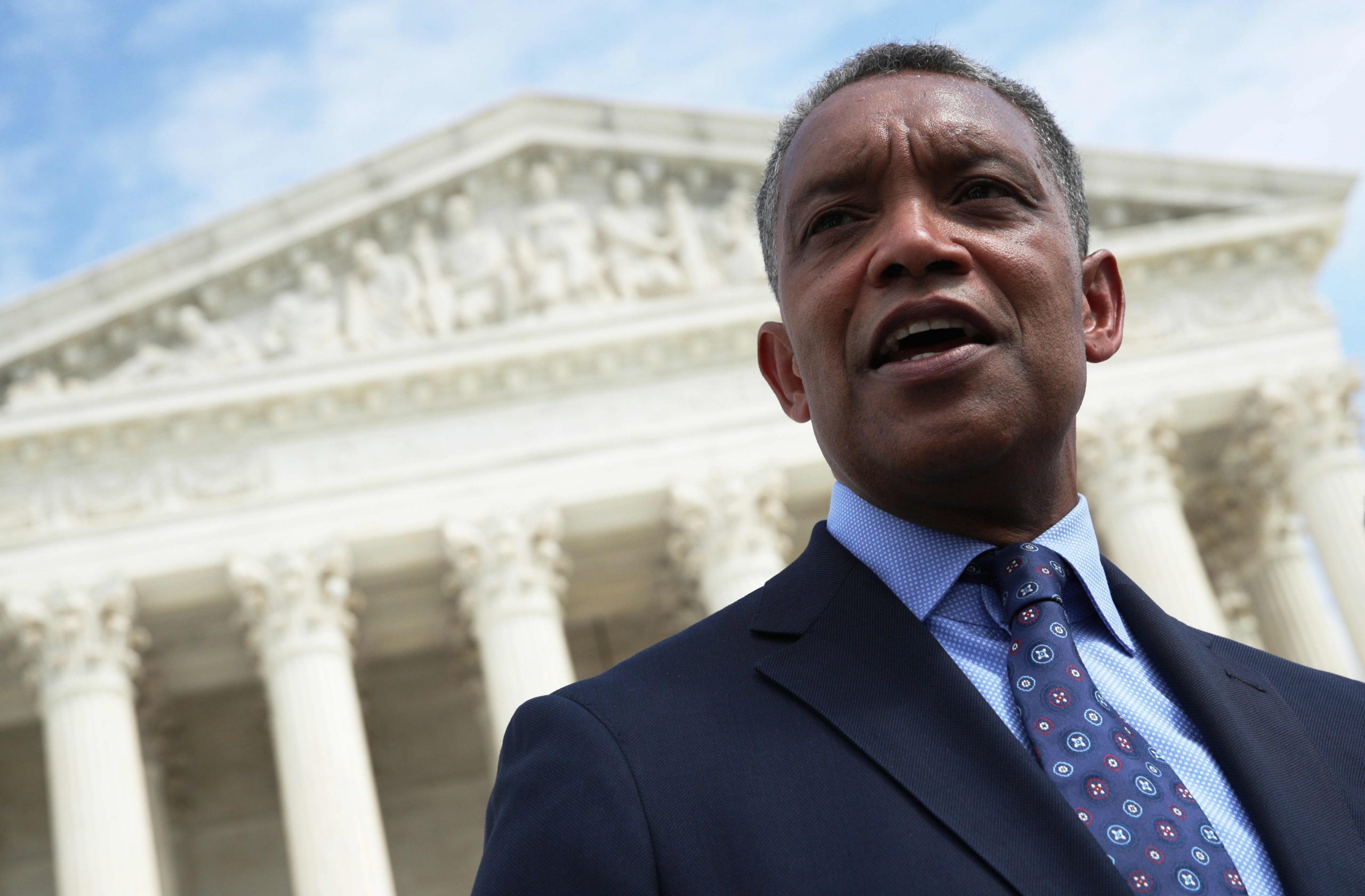
In this articleAMZNWashington, DC Attorney General Karl Racine speaks after a news conference in front of the U.S. Supreme Court September 9, 2019 in Washington, DC.Alex WongWashington, D.C. Attorney General Karl Racine announced Tuesday he’s suing Amazon on antitrust grounds, claiming the company’s practices have unfairly raised prices for consumers and suppressed innovation.Racine is seeking to end Amazon’s allegedly illegal use of price agreements to edge out competition, recover damages and impose penalties to deter similar conduct.Shares of Amazon barely moved on the announcement, down 1% as of Tuesday morning.The lawsuit, filed in D.C. Superior Court, alleges Amazon illegally maintained monopoly power by using contract provisions to prevent third-party sellers on its platform from offering their products for lower prices on other platforms. The attorney general’s office claimed the contracts create a “an artificially high price floor across the online retail marketplace,” according to a press release. The AG claimed these agreements ultimately harm both consumers and third-party sellers by reducing competition, innovation and choice.Amazon requires third-party sellers who want to do business on the online marketplace to abide by its business solutions agreement. Until 2019, Amazon included a clause in that document, referred to as a “price parity provision,” which prohibited sellers from offering their products on a competitors’ online marketplace at a lower price than what their products sold for on Amazon. Amazon quietly removed that provision in March of 2019 amid growing antitrust scrutiny.According to the complaint, even after Amazon removed the pricing parity provision from its agreement with third-party sellers, it added a nearly identical clause, referred to as its “fair pricing policy.” The fair pricing policy enables Amazon to “impose sanctions” on a seller that offers their product for a lower price on a competing online marketplace.Amazon’s pricing agreements were also a topic of scrutiny in the House Judiciary subcommittee on antitrust’s sweeping 400-plus-page report, issued last fall. Lawmakers agreed that Amazon uses its dominant position in e-commerce as leverage with third-party sellers to require they adhere to most-favored-nation clauses.The lawsuit comes months after federal and state enforcers filed antitrust lawsuits against Google and Facebook.Both of those lawsuit involved large coalitions of states banding together to file the lawsuits, but Tuesday’s action comes from Racine’s office alone.Racine said on a call with reporters on Tuesday that the central focus of the lawsuit, the contracts known as “most favored nation” agreements, was a topic he felt his office could take on on its own. It’s common for states to work together or with federal enforcers on antitrust claims, especially on those involving well-resourced companies, due to the sheer amount of work involved in bringing such suits. But Racine said the MFN issue is “sufficiently discrete” that his office could take it on alone.Still, he didn’t rule out the possibility of other states or federal enforcers getting involved, saying it’s common for others to join or bring their own claims once one state files a lawsuit. But he did not indicate any knowledge of such plans.Amazon did not immediately respond to a request for comment.This story is developing. Check back for updates.Subscribe to CNBC on YouTube.WATCH: How US antitrust law works, and what it means for Big Tech

Elon Musk says he met with bitcoin miners to discuss energy usage

Tesla CEO Elon Musk is at it again, tweeting about bitcoin and helping give the cryptocurrency a temporary boost. 

The price of bitcoin rose nearly $2,000 per coin Monday afternoon immediately after Musk tweeted, “Spoke with North American Bitcoin miners. They committed to publish current & planned renewable usage & to ask miners WW to do so. Potentially promising.”

Musk has previously raised concerns about the energy usage of bitcoin mining and its impact on the environment, even citing it as a reason that Tesla stopped accepting bitcoin as payment for its cars.

Within minutes, the price of the crypto climbed to just below $40,000 per coin, up from around $38,000 per coin before the tweet, according to data from Coinbase.

Microstrategy CEO Michael Saylor also helped the rise by following up Musk’s tweet, saying that he hosted a meeting between Musk and a handful of bitcoin miners that led to the formation of the Bitcoin Mining Council “to promote energy usage transparency & accelerate sustainability initiatives worldwide.”

Equipment at the data centre of BitRiver company providing services for cryptocurrency mining in the city of Bratsk in Irkutsk Region, Russia.REUTERS

But bitcoin’s gains from these tweets didn’t last long, as the crypto was back to about $37,600 per coin by Tuesday morning. 

Shortly after, Musk tweeted again, this time about dogecoin, saying, “If you’d like to help develop Doge, please submit ideas on GitHub & http://reddit.com/r/dogecoin/”

Musk has been a supporter of the sector for years, helping send the prices of various cryptos up several times in the past year. His tweets and comments on cryptos have demonstrated the ability to send the prices soaring or tumbling in the past. 

Tesla no longer accepts bitcoin for purchases over environmental concerns related to bitcoin mining.REUTERS

But his relationship with the crypto community has shifted in recent weeks. He tweeted earlier this month that Tesla would stop accepting bitcoin for purchases of its cars over environmental concerns related to bitcoin mining. 

The company had announced back in February that it purchased $1.5 billion worth of bitcoin and would accept the coin as payment for its cars, helping spark a rally that sent the price to a peak above $60,000 per coin. 

Demand grows for grooming products, travel items as lockdown eases

Americans are primping and preening again.

As vaccinations widen, face masks come off and more people emerge from nationwide pandemic lockdowns, sales of grooming products are rising, according to manufacturers.

Deodorant, teeth whitener, perfume, and nail polish are in high demand, according to a Wall Street Journal report. Sales of merchandise related to travel or just getting out of the house are also surging, including swimsuits, sunscreen, tuxedos, luggage and alarm clocks.

“You can tell that the masks are coming off,” Walmart’s chief financial officer Brett Biggs told the Journal, pointing to spiking demand for beauty products and teeth whiteners during the most recent quarter.

Walmart’s alarm clock sales doubled in April compared to a year ago and luggage sales rose by 400 percent, he said.

Fragrances are another key merchandise category that’s showing signs of life as vaccinations widen across the US.Alamy Stock Photo

Condom sales have also been brisk this year as COVID-19 restrictions ease worldwide, according to UK-based manufacturer Reckitt Benckiser. Sales of its Durex condoms, lubricants and sex toys rose by double digits in the first quarter compared to a year ago, the company said in April.

Macy’s and Target also reported strong beauty and apparel sales in their first-quarter reports. 

The apparel trend started in February, as The Post reported, as consumers bought jeans, button-down shirts and dresses for the first time in nearly a year.

“The first quarter felt like a first step towards a post-pandemic world,” Target chief executive Brian Cornell said. Apparel sales rose 60 percent during the quarter compared with the same period last year, the company said. 

During the height of the pandemic, consumers invested in skincare and spa products, with men buying creams that helped to reduce the itchiness of their new beards, Eric O’Toole, president of North America for Edgewell Personal Care Co., told the Journal. Edgewell, which makes Schick razors, reports that both men and women are clipping their excess facial and leg hair.

Shoppers continue to wear masks inside South Coast Plaza on May 13 in Costa Mesa, California. Even though the CDC announced Thursday that masks are no longer required for fully vaccinated people, the mall is still requiring them indoors.Los Angeles Times via Getty Imag

And some are shelling out for upscale grooming products like Native Deodorant, which costs $12 a stick — more than twice the price of ordinary deodorant — according to Procter & Gamble’s chief executive Vineet Kumar. 

“They’re really willing to pamper themselves,” Kumar told the Journal. “They’re saying, ‘I’m getting prepared to go out so I need to start investing in myself.’ ”

Microsoft's cloud boss says the company doesn't want to compete with doctors

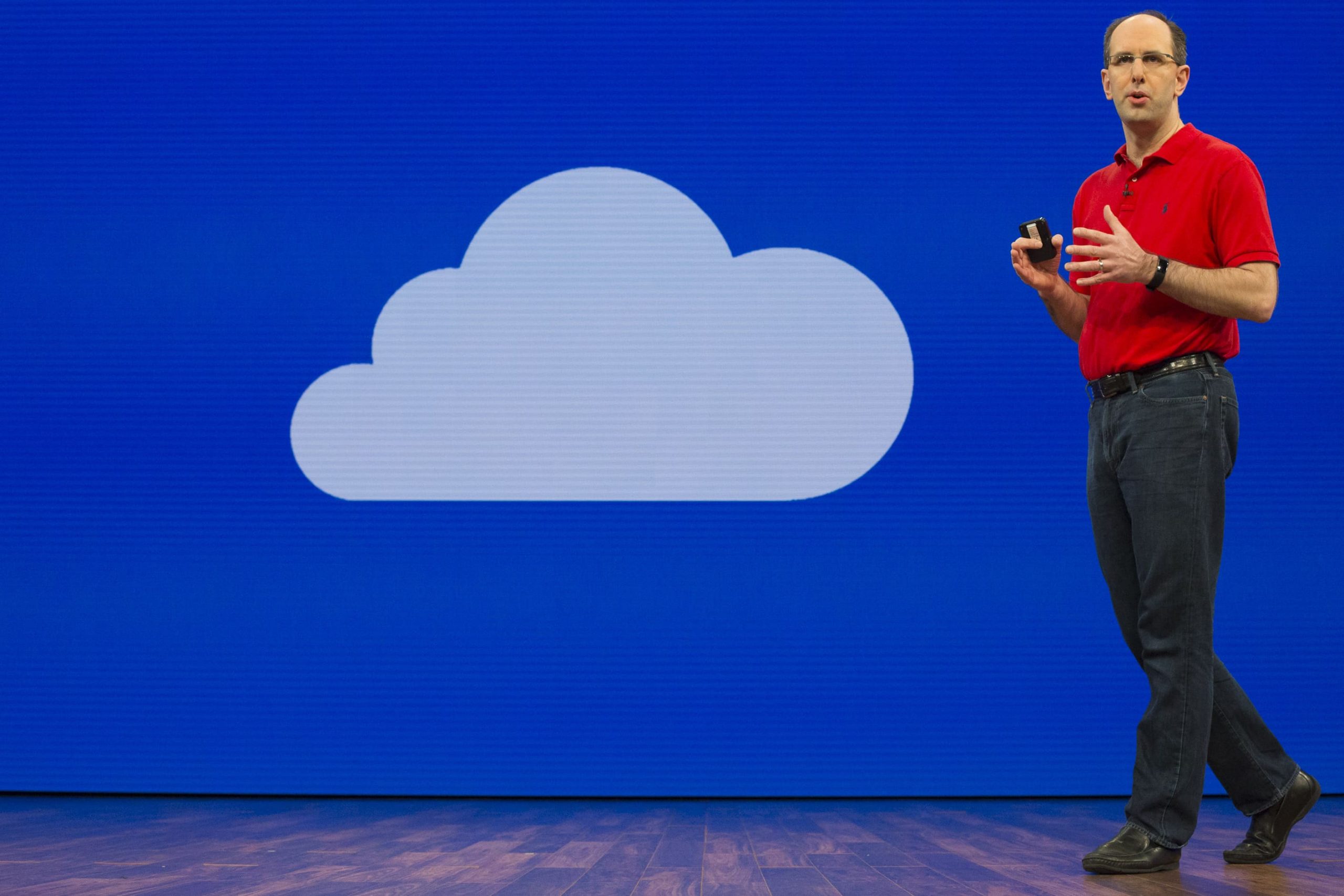
In this articleMSFTScott Guthrie, executive vice president of cloud and enterprise at Microsoft Corp., speaks during the Microsoft Developers Build Conference in Seattle, Washington, U.S., on Wednesday, May 10, 2017.David Ryder | Bloomberg | Getty ImagesThanks to its pending acquisition of Nuance Communications, Microsoft will soon have a suite of software tools that doctors use to automatically keep notes on meetings with patients. But Microsoft isn’t interested in automating everything doctors do, said Scott Guthrie, the software company’s executive vice president for cloud and artificial intelligence.The pending acquisition, worth $19.7 billion including debt, is an unusual case of a major technology company drawing from its cash pile to gain relationships in an individual industry. Microsoft’s rivals in the growing cloud computing market have not gone so far. If the move proves successful, Microsoft could convert Nuance customers into big users of Microsoft’s Azure cloud and strengthen its position relative to the market leader, Amazon.Headquartered in Burlington, Massachusetts, Nuance is widely known in the U.S. health-care space, but has room to grow overseas. On the day the deal was announced, Microsoft said that 55% of U.S. doctors and 77% of U.S. hospitals use Nuance, and 80% of its revenue came from the U.S. in its most recent fiscal year. That means Microsoft can introduce Nuance to its massive international customer base. Last fiscal year, 49% of Microsoft’s revenue came from outside the U.S.There are certain human medical processes that can be automated that Microsoft isn’t immediately interested in. For instance, in recent years, researchers have developed tools that ask patients questions to help diagnose diseases and detect cancer by analyzing medical images.”We’re not looking to compete with doctors or health-care providers,” Guthrie told CNBC in an interview last week. “We want to make them more successful.” Guthrie said that Microsoft and Nuance both want to partner and integrate with other software makers and developers. He said that Nuance has strong relationships with Cerner and Epic Systems, which offer electronic health records software.Nuance’s AI capabilities could enhance Microsoft’s Teams communication app and its Dynamics 365 enterprise software, Guthrie said in a call with analysts in April. Microsoft could also apply Nuance’s technology in other areas, such as conversations between financial advisors and their clients. And ultimately, a key metric of the success of the deal is greater adoption of Azure, said Amy Hood, Microsoft’s finance chief.Microsoft sees the acquisition expanding its total addressable market in health care to $500 billion.Health care will be among the fastest-growing industries over the next decade, Guthrie said. (Deloitte estimated that global health spending will have a 5% compound average growth rate from 2019 to 2023.) Last year Microsoft introduced cloud tools for health care, and soon it will also have software that understands conversations between doctors and patients, whether in person or held virtually.Other cloud providers, including Amazon, have sought to make inroads in health care. But while Amazon has emphasized its infrastructure, Microsoft and Nuance will bring a unique approach centered on doctors, said analysts at Jefferies, which has a buy rating on Microsoft stock, in a note to clients last month.”Having not just virtual machines or containers, but having things like Nuance, having things like GitHub, having things like Teams, having things like Power Platform — those are examples of unique cloud services that none of the other hyperscale cloud vendors have anything like,” Guthrie said.Adding Nuance to the lineup could make Microsoft more appealing to developers targeting the health-care industry, he said.The acquisition is expected to close later this year. When it’s complete, Nuance’s CEO, Mark Benjamin, will report to Guthrie.WATCH: Wheelhouse’s chief investment officer discusses Microsoft’s Nuance acquisition

Clubhouse has a 'million more on waitlist' after Android launch: CEO

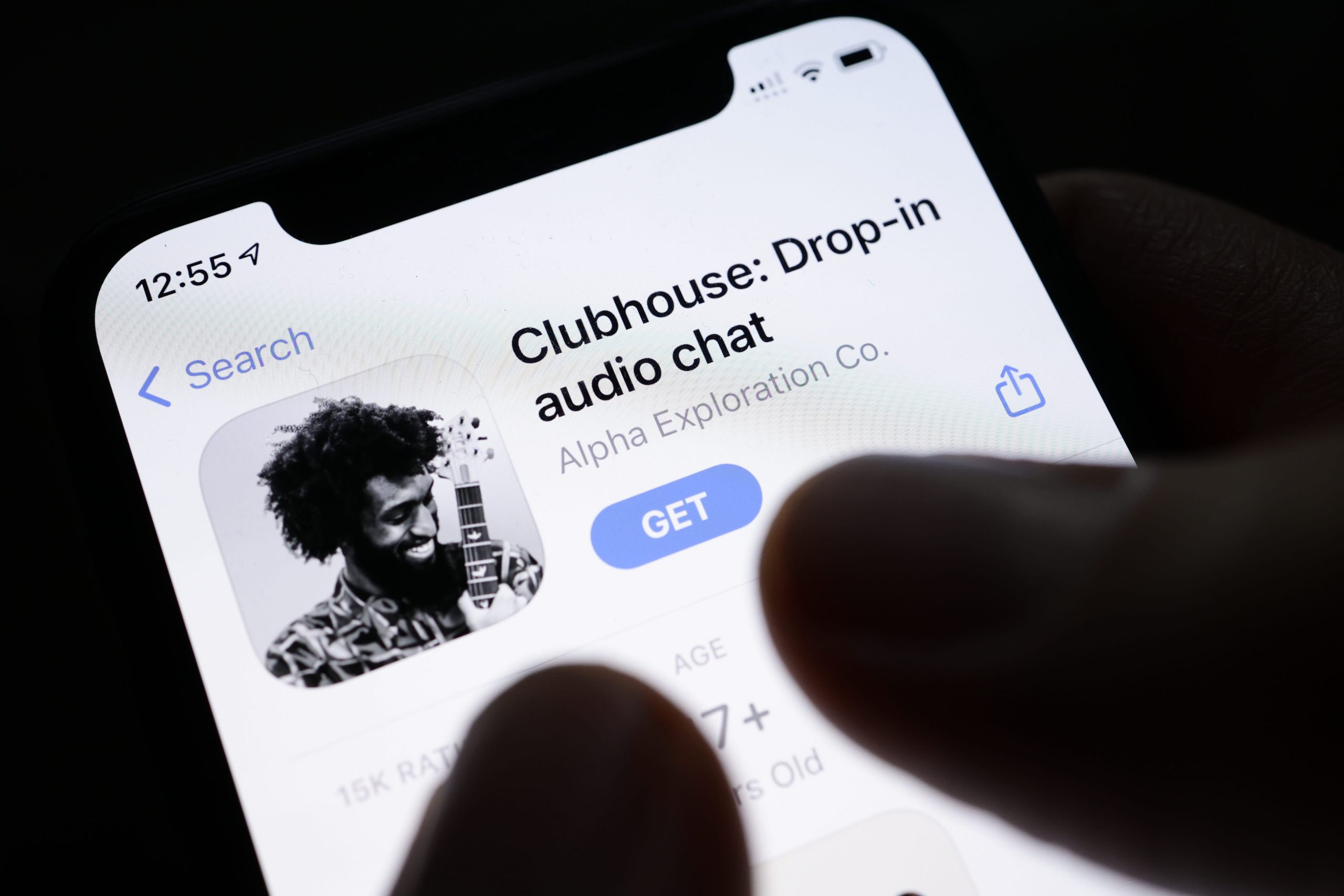
Social audio app Clubhouse was growing at a feverish pace before it wasn’t. It looks to be growing pretty quickly again, and better prepared for it this time, according to co-founder and CEO Paul Davison.Earlier this year, the number of monthly app installs worldwide had declined by millions — from a peak of over 9 million in February — and in April, installs came in at 900,000. But since launching an Android version this month, Clubhouse has seen one million Android users join and Davison says that a “million more are on the waitlist.””We hope to be ready to let more in soon,” Davison told CNBC on Tuesday after the social media company ranked No. 33 on the 2021 CNBC Disruptor 50 list.Davison said when he and co-founder Ronan Seth started company the company in March 2020, they believed that a “measured approach to growth” was key.”If you grow too quickly, things can break and earlier this year we started growing faster than expected,” Davison said.Clubhouse had servers going down and notifications not going out, and the CEO said the company “really had to slow things down.”Clubhouse reports more than 10 million weekly active users and says more than 300,000 rooms are created each day, and that people are spending over an hour a day on the app. More coverage of the 2021 CNBC Disruptor 50Meet the 2021 CNBC Disruptor 50 companiesWhy Robinhood is the No. 1 companyA look back at the CNBC Disruptor 50: 9 years, 233 companiesWhen disruption becomes a force for good — and badHow we choose Disruptor companiesIn the virtual rooms, users can see a list of the people participating and if they click on the room, the audio switches on and they can hear the conversation.”Oftentimes these are people in small town America, and Japan, and Nigeria, who never had the chance to talk with people in these regions,” Davison said.One prominent example is the over 450,000 people that have come through its “Meet Palestinians and Israelis” room over the course of a little more than a week.”They are meeting people on the ground,” Davison stressed. “These aren’t political pundits, they’re talking with mothers and teachers and shopkeepers.”The invitation-only audio-chat social networking app Clubhouse is pictured on a smartphone on January 26, 2021 in Berlin, Germany.Thomas Trutschel | Photothek | Getty ImagesClubhouse is not just about taking part in, and listening in on, conversations.It sees money to be made in ticketing events, offering creators the ability to be tipped and charge for subscriptions, and those latter payments are ones which Clubhouse does not take any cut from — 100% goes to the creators on the platform.In April, Clubhouse started rolling out payments and currently all iOS users in the U.S. can send and receive payments. Payments are coming to more Android devices and other countries this summer.The company’s audio-only social app is somewhat similar to podcasts, but different in offering live, unfiltered content. Facebook, Twitter and Spotify have introduced similar audio products and are making strategic acquisitions within the space.Amid the concerns about slowing user growth and competition from big technology companies, Davison says, “Voice is the oldest medium. … We’ve been gathering with other people in small groups and talking since the beginning of civilization. … Voice is a durable medium.”Clubhouse was backed by well-known venture capital firm Andreessen Horowitz (whose co-founder also speaks on the app from time-to-time) in a January funding round that reportedly valued it at $1 billion. In March, Clubhouse raised a new round of venture capital valuing the company at $4 billion.SIGN UP for our weekly, original newsletter that goes beyond the list, offering a closer look at CNBC Disruptor 50 companies, and the founders who continue to innovate across every sector of the economy.

Facebook trying to censor posts from COVID-19 vaccine skeptics: report

Facebook is reportedly trying to silence COVID-19 vaccine skeptics by using an algorithm that targets and demotes their comments on the site, the latest in Big Tech’s woke censorship push.

Two anonymous Facebook employees leaked internal memos to Project Veritas that purport to show that the social media giant has tested a beta version of its algorithm to track down vaccine-hesitant users. 

The algorithm was being run on 1.5 percent of Facebook and Instagram’s nearly 3.8 billion worldwide users, according to the leaked documents. 

The vaccine hesitancy ratings are divided into tiers zero, one and two, according to the leaked documents. Comments in tier zero are an explicit violation of Facebook policy while those in tier one are counted as “Alarmism & Criticism,” according to the documents obtained by Project Veritas.

The Facebook whistleblowers alerted Project Veritas about the new algorithm.Matthew McDermott

Tier two comments are “Indirect Vaccine Discouragement,” which include “shocking stories” that may deter others from taking the vaccine — even if they’re true, the documents show.

The algorithm would then assign comments in such tiers a “vaccine hesitancy” or a “VH Score,” the documents said, and could be hidden from the “most relevant” comments section or even removed altogether. 

“Based on that VH score, we will demote or leave the comment alone depending on the content within the comment,” an anonymous whistleblower told James O’Keefe, the founder of Project Veritas.

The vaccine hesitancy algorithm was being tested on 1.5 percent of Facebook and Instagram users.AFP via Getty Images

“They’re trying to control this content before it even makes it onto your page, before you even see it,” a whistleblower added.

One of the leaked documents is titled “Vaccine Hesitancy Comment Demotion.” Its executive summary states the goal is to “drastically reduce user exposure to vaccine hesitancy (VH) in comments.”

The 15-page document adds that “reducing the visibility of these comments represents another significant opportunity for us to remove barriers to vaccination that users on the platform may potentially encounter.”

In March, Facebook added labels to posts about vaccines to counter misinformation.PA Images via Getty Images

The document added that the algorithm was the only tool Facebook had at the time to address “the high prevalence of vaccine hesitancy in Health comments,” and that a better “detection” tool would be implemented when available.

In a statement to The Post, a Facebook spokesperson said: “We proactively announced this policy on our company blog and also updated our help center with this information.”

Facebook has acknowledged that it may reduce the visibility of content that may not violate company policy but discourages someone from getting vaccinated by sharing information out of context, for example.

Facebook has come under fire for allowing COVID-19 misinformation to spread despite the algorithms.REUTERS

In March, Facebook CEO Mark Zuckerberg announced that the company would add labels to posts about vaccines to counter misinformation.

“For example, we’re adding a label on posts that discuss the safety of COVID-19 vaccines that notes COVID-19 vaccines go through tests for safety and effectiveness before they’re approved,” Zuckerberg wrote.

Despite the company’s recent efforts, it and other social media giants have come under fire from lawmakers and watchdogs during the pandemic for allowing COVID-19 misinformation to spread rampantly on the platform.

Robinhood's disruptive force: The good, the bad and the controversy

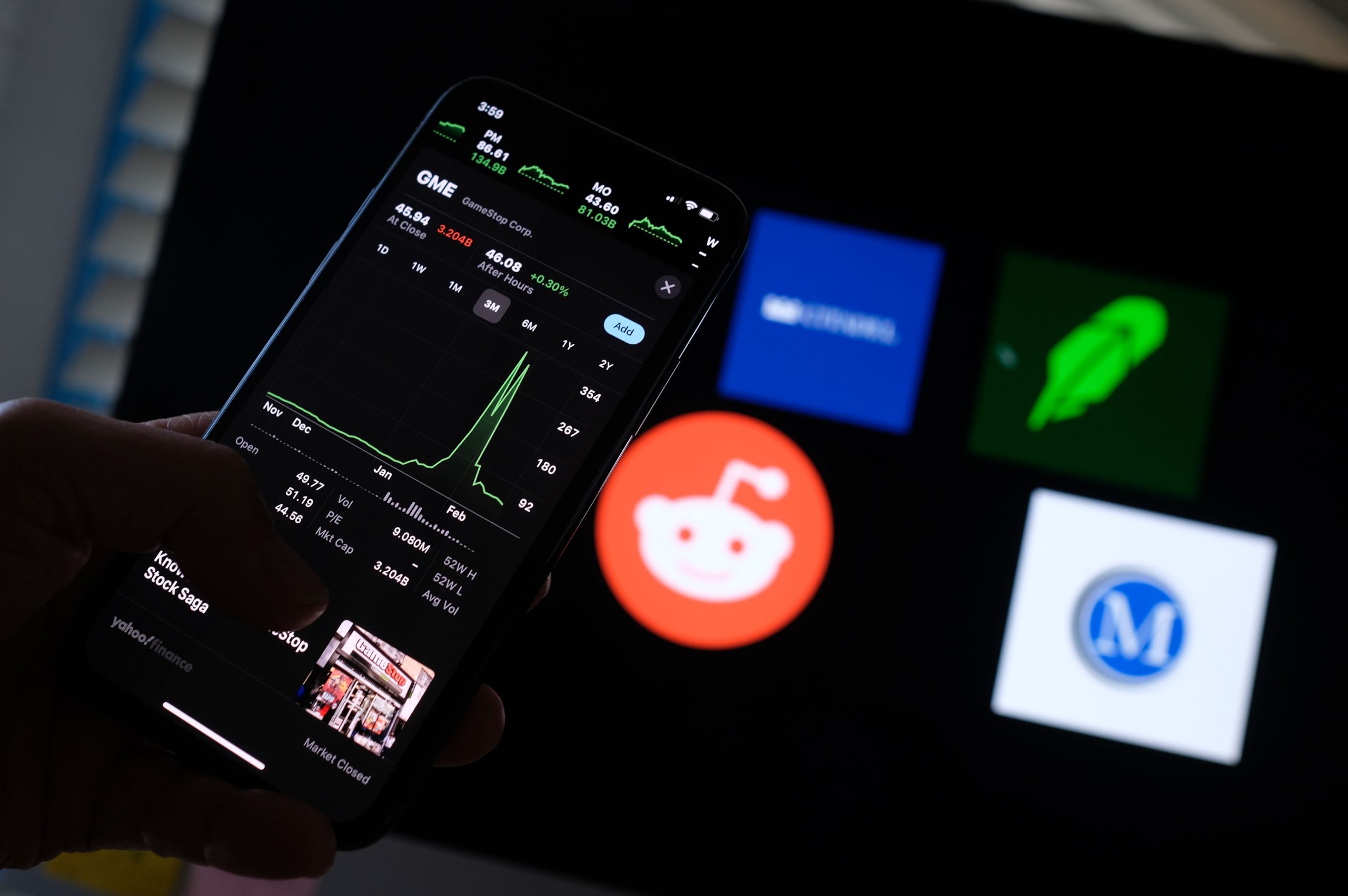
This illustration photo shows a person checking the three month GameStop stock graph on a smartphone on February 17, 2021 in Los Angeles as the Reddit, Citadel, Robinhood and Melvin Capital logos are seen on the background ahead of the virtual hearing involving GameStop stocks.Chris Delmas | AFP | Getty ImagesTech-driven disruption in business is rarely a force for good or bad alone. Robinhood is a good example of the rocky, disruptive force that sits between the absolutes.The brokerage industry disruptor exemplifies the way that technology can turn an industry with gatekeepers into a more open platform and force the established giants to innovate and expand. That is why Robinhood earned the top spot on this year’s CNBC Disruptor 50 list, pressing Wall Street and investment giants to lower trading costs — in many cases, to nothing — and consolidate to better withstand an accelerating digital threat.And this year, the company and its CEO, Vlad Tenev, were at the center of a stock market and cultural phenomenon. In January, conversation in Reddit’s WallStreetBets forum about squeezing hedge fund investors drove the seemingly irrational buying up of GameStop and AMC Entertainment shares. That trading happened largely on Robinhood — and it wasn’t the only volatile trade where Robinhood was a center of the action. Between January and February, the platform reported the addition of 6 million cryptocurrency accounts.Debate over ‘democratize finance for all’The Reddit uprising followed a year when millions of Americans stuck at home during the pandemic, many receiving stimulus checks, discovered Robinhood’s easy access to retail trading and became first-time investors. Tenev told CNBC late last year it was seeing deposits equal to, or multiples of, stimulus check amounts. Retail trading grew to 23% of total trading volume by the end of December 2020, up from 13% of trades a year earlier.Robinhood has stuck to one message throughout the growth and tumult, telling CNBC and others: “Our mission is to democratize finance for all.”Vlad Tenev, chief executive officer and co-founder of Robinhood Markets Inc., speaks virtually during a House Financial Services Committee hearing on a laptop computer in Tiskilwa, Illinois, U.S., on Thursday, Feb. 18, 2021.Daniel Acker | Bloomberg | Getty ImagesRobinhood has had some positive, and profound, implications for the market. The company has removed barriers to trading by making investing commission-free and mobile-first. It has simplified investing, and made it more accessible and personal.Robinhood says its tools are reaching a more diverse group of investors. Citing data from a survey it conducted in December among over 98,000 Americans, it says 16% of its customers come from the Hispanic community, compared with 7% at incumbent brokerages including Schwab, E-Trade, Fidelity, TD Ameritrade and Vanguard; and 9% are African American, compared with 3% at other brokers. And it is bringing in younger investors. The company says Gen Y and Gen Z comprise 70% of its users.However, its claims of making investing “less scary” and “easier to understand” are likely to raise eyebrows among its many critics, including the Securities and Exchange Commission, Capitol Hill and the billionaire investor Warren Buffett, who says it is catering to a “casino aspect” in the recent market.More coverage of the 2021 CNBC Disruptor 50Meet the 2021 CNBC Disruptor 50 companiesWhy Robinhood is the No. 1 companyA look back at the CNBC Disruptor 50: 9 years, 233 companiesWhen disruption becomes a force for good — and badHow we choose Disruptor companiesThe company has drawn criticism for gamifying the serious business of investing, which puts at stake individual life savings. Critics say the app is designed more like a video game than an investing tool, and until recently, it sprayed virtual celebratory confetti on the screen for new user accounts.In 2020, Massachusetts regulators filed a complaint against the company citing “aggressive tactics to attract inexperienced investors.”The company settled an SEC probe last December for $65 million, stemming from charges it misled investors about how it makes money, without admitting wrongdoing.When the free trade is the productRobinhood’s ability to offer free trading on the platform is enabled by a practice that continues to draw criticism after the SEC settlement, known as payment for order flow, in which brokers receive payments from dealers for routing trades to them. It is a practice used by many electronic brokers, but it has never been as closely scrutinized as during Robinhood’s rise.Internet giants like Facebook and Google have been dogged for years by criticism that their free services rely on users being “the product.”In Robinhood’s case, the free trade is the product, and that has sparked concern of a conflict of interest, with the broker incentivized to drive the highest number of trades possible.New SEC Chairman Gary Gensler is watching. “These new tools, about props and leaderboards and behavioral ways to get individuals to trade more … there is a bit of a conflict of interest. An app that says that they had zero commissions is earning revenue on your trading … somebody is paying them for that order flow and paying them for that data,” Gensler said in a recent CNBC interview, during which he noted that payment for order flow has been blocked in the U.K. and Canada.At one point during the Reddit WallStreetBets phenomenon, the opposite of too much trading occurred — Robinhood curtailed its customers’ ability to trade — but that resulted in another controversy for the company. Robinhood locked investors out of trading in some of the most contested stocks like GameStop and AMC and drew criticism for acting unfairly toward ordinary investors, including an uncommon alignment of talking points from Rep. Alexandria Ocasio-Cortez and Sen. Ted Cruz. And it led some of the app’s most fervent new investors to leave for brokerage competitors.Tenev later explained that Robinhood was forced to slow trading because it didn’t have enough cash to hedge against the risks. To keep the company operational, the company raised an emergency $1 billion from investors, followed by an additional $2.4 billion. In other words, at a peak of popularity and notoriety, Robinhood could have gone out of business. It was the confidence of its investors in its business model and potential that enabled the company — and its users — to trade another day.Robinhood also faces multiple class-action lawsuits related to trading outages that occurred during the volatile market conditions of March 2020, which locked some traders out of Robinhood’s platform during key movements in stock indexes.We kind of live in the intersection of capitalism, democracy and innovation. And I think that it’s a very interesting place to be.Vlad Tenev Robinhood CEOThe path to growth that Robinhood has experienced isn’t always straight, or benign. Former No. 1 CNBC Disruptor 50 companies have generated business models that have far-reaching consequences in the economy, and in people’s lives. Airbnb and Uber, in particular, have grown into giants with as much controversy as accolades. And the company that ignited the original idea for the CNBC Disruptor 50 list, Facebook, has been at the center of multiple cultural and political tugs-of-war for most of its still relatively short existence (i.e., is Facebook bringing people together or tearing them apart? Supporting democracy or undermining it?). All have benefited from laws and regulations that did not anticipate their disruptive innovations or were slow to react to it, and have ended up in prolonged battles with politicians and regulators.In Robinhood’s case, the past year’s story is not without tragedy. A 20-year-old who thought he owed hundreds of thousands of dollars in a risky bet died by suicide after not being able to reach customer support. His family sued. The company committed to hiring hundreds of registered financial representatives to ensure customer questions are addressed quickly.Its core model of commission-free trading is here to stay, and Robinhood continues to iterate and expand. The stocks, ETFs, options, and cryptocurrencies that its users are invested in are part of a new world where portfolios are checked on an iOS or Android device — sometimes without even opening the app.In the first quarter of 2021, 9.5 million customers traded crypto on Robinhood Crypto, compared with 1.7 million in the fourth quarter of 2020.During historic market volatility early in the pandemic, Robinhood added a Market Volatility page to its help center, and the company fully rolled out recurring investments and access to fractional shares.One thing is certain: Robinhood’s appeal to a new generation of investors has forced the traditional Wall Street banks, asset managers and brokerage firms to take note. Goldman Sachs has been investing in its retail arm, Marcus, and Fidelity just launched “youth accounts” for teens to trade and save, commission-free, on its platform. E-Trade was acquired by Morgan Stanley, and TD Ameritrade by Charles Schwab. Even the firm synonymous with long-term buy-and-hold investing, Vanguard, now offers commission-free trading on many products.Robinhood says it has 13 million users and its mission is “to unlock a source of wealth for a new generation.” That figure has not been updated since 2020. Some more recent industry estimates put the number closer to 20 million users, but that could include some accounts that are not funded, and the company has not confirmed it.Regulators remain wary of where its influence over the millions of new investors it has introduced to the market will end. The SEC’s Gensler told CNBC bringing more access to the capital markets for retail investors is a good thing, as long as the core principles of protecting investors are not upended by apps that encourage active trading through behavioral prompts.”Nobody really asks the question of, ‘Is it too easy to buy a flat screen TV with one click and get it delivered?’ But people are now asking the question of ‘Should it be this easy and low friction for people to invest in the markets?’ Tenev argued in a CNBC interview late last year.”Our belief is, the more we lower the barriers to entry, the more we level the playing field and allow people to invest their money at a younger age, the better off our economy will be and the better off society will be because we kind of live in the intersection of capitalism, democracy and innovation,” Tenev said. “And I think that it’s a very interesting place to be.”SIGN UP for our weekly, original newsletter that goes beyond the list, offering a closer look at CNBC Disruptor 50 companies, and the founders who continue to innovate across every sector of the economy.