TokyoTokyo Mon - Fri 10:00-18:00 +81 (366) 701-751
info@mountequitygroup.com

Blog

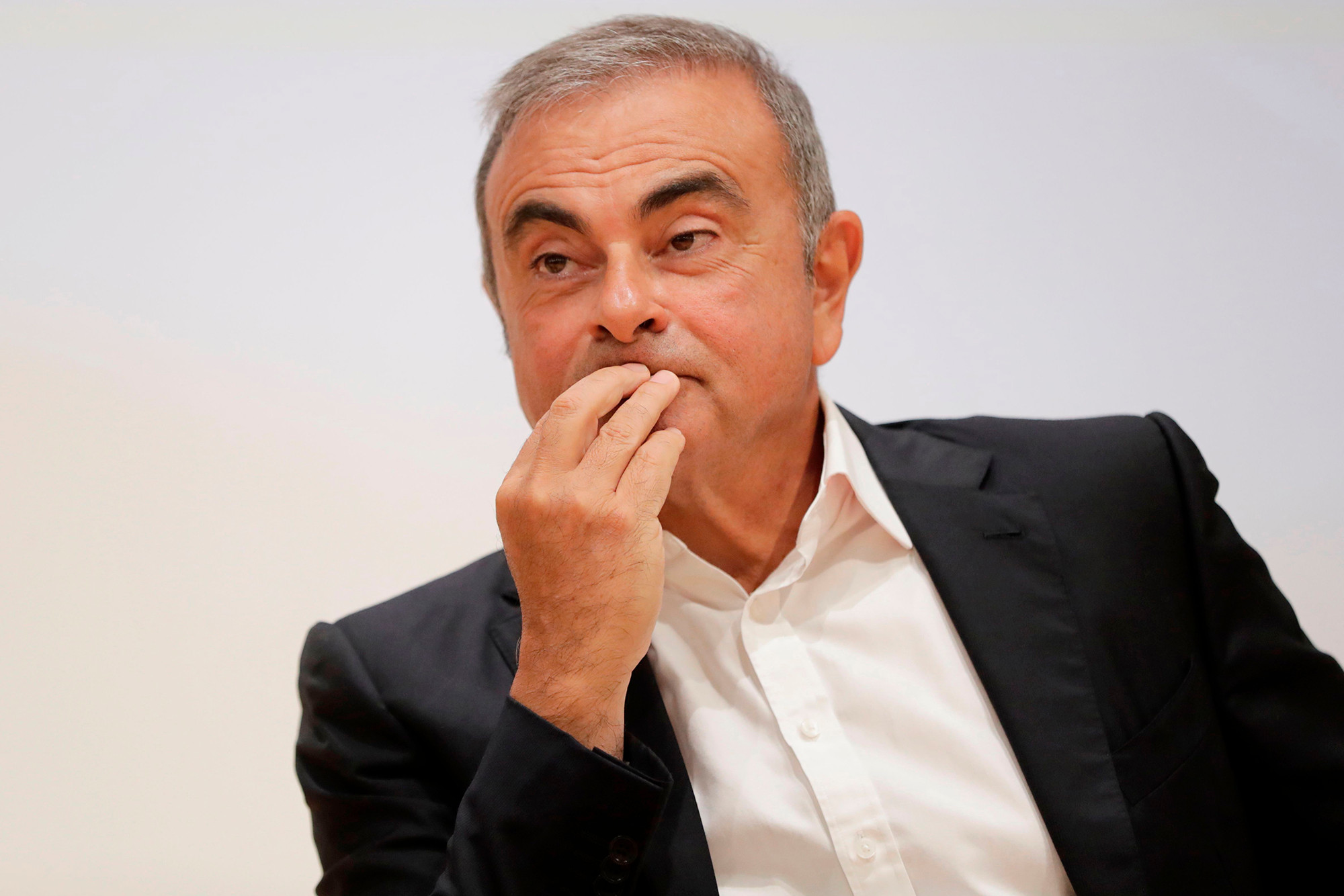
Carlos Ghosn gets $6M bill as Nissan-Mitsubishi case backfires

Fugitive former car executive Carlos Ghosn suffered a setback on Thursday when a Dutch court ordered him to repay 5 million euros ($6.1 million) in wages to Nissan and Mitsubishi in a case he had brought.

The case, one of a series of legal battles involving one of the best known figures in the auto industry, centers around the Dutch-registered joint venture Nissan-Mitsubishi BV (NMBV), where Ghosn was ousted as chairman in 2019.

Ghosn claimed the Japanese companies violated Dutch labor laws when they dismissed him and had demanded compensation of 15 million euros for missed wages and severance payments.

But the district court in Amsterdam sided with the car companies, stating that Ghosn did not have a valid employment agreement with the joint venture, as it lacked the required consent of the boards of Nissan and Mitsubishi.

Ghosn was therefore ordered to pay back the 5 million euros in net payments he received from the Amsterdam-based joint venture between April and November 2018.

A spokesperson for Ghosn said the former chairman of the Nissan-Mitsubishi-Renault alliance would appeal the verdict so that the testimony of witnesses who would support his case could be heard.

Both Nissan and Mitsubishi said they were glad that their allegations were supported by the court.

“We are pleased that the court has dismissed Carlos Ghosn’s unfounded claims against NMBV and ordered Mr Ghosn to repay the significant sums he appropriated unlawfully,” Nissan said in a statement.

The court found that Ghosn had wrongfully determined his own salary and sign-on bonus at NMBV, and that the board member who had signed his employment contract at the joint venture on behalf of the car companies did not have the power to do so.

Ghosn, who has repeatedly denied wrongdoing, was chairman of both Nissan and Mitsubishi and chief executive of Renault when he was arrested in Japan in 2018 on charges of underreporting his salary and using company funds for personal purposes.

He fled to Lebanon in December 2019 hidden in carry-on luggage on a private jet that flew out of Kansai Airport, and has remained in that country since.


Snapchat users will be able to tip popular creators later this year

In this articleSNAPGifting will start to roll out to Snap Stars later this year on Android and iOS.SnapSnapchat users will be able to tip high-profile creators through the app’s chat function later this year, Snap said Thursday. The move pushes the social media company further into creator monetization.Users will be able to purchase tokens in the app and use them to purchase “gifts” to send to creators through story replies. Creators can cash out once they accumulate $100 worth of gifts.Snapchat — which now reaches 500 million monthly active users — will take a cut from the gifts sent, but declined to say how much.Social media companies are adding more ways for creators to monetize their content in order to attract more users. This also helps them diversify revenue away from advertising.Twitter, for example, recently rolled out its Tip Jar for some users to add to their profiles. Twitter has also worked on an offering called “Super Follows,” which could let users pay to see tweets from their favorite accounts.Snap’s stock closed up more than 5% Thursday.Snapchat will also reformat the $1 million-a-day incentive program for Spotlight, its TikTok clone, starting next month. Instead of a daily offering, Snap users can earn from a pool of “millions” of dollars each month. The company declined to provide an exact figure.Since late November, the company had maintained a $1 million daily pool which it pays out to the creators of each day’s top-performing videos on its short-form video service. The company determined payouts based on how many views a video received in comparison to other highly-viewed snaps.Snap said more than 5,400 creators have collectively earned over $130 million dollars thus far. Because the company will continue to pay in some form, it’s unlikely users will completely jump ship to competitors that also pay users, like YouTube and TikTok.Snap is also launching Story Studio, a free stand-alone mobile editing app for creators. Users will be able to explore trends and insights and share videos right to Snapchat or other platforms. The company said Story Studio will launch on iOS later in 2021.Subscribe to CNBC on YouTube.

Snap announces new Spectacles AR glasses, which let you overlay digital objects on the real world

Evan Spiegel, CEO of Snap, announces new Spectacles AR glasses that let you overlay digital objects on the real world.Source: SNAP Inc.Snap on Thursday announced a new version of its Spectacles smart glasses. They use augmented reality, which means you can look through them and see digital objects in the real world.Shares of Snap closed up more than 5% on Thursday after the company’s Snap Partner Summit.The new glasses allow users to see computer-generated imagery overlaid on their field of view in the real world. The Spectacles include two cameras, four microphones, a touchpad and buttons for controls. Users can also give audio commands to the device by saying, “Hey Snapchat.” The new Spectacles are equipped with 30 minutes of battery life.Snap CEO Evan Spiegel said the devices are already in the hands of a select group of creators. The company is offering the device to more creators through a website.Snapchat’s new AR Spectacles glassesSnapThe company also announced a flurry of new augmented-reality e-commerce features and new features for social media creators.Snap is among a flurry of tech companies working on smart glasses, along with Apple and Facebook.

U.S. Treasury calls for stricter cryptocurrency compliance with IRS, says they pose tax evasion risk

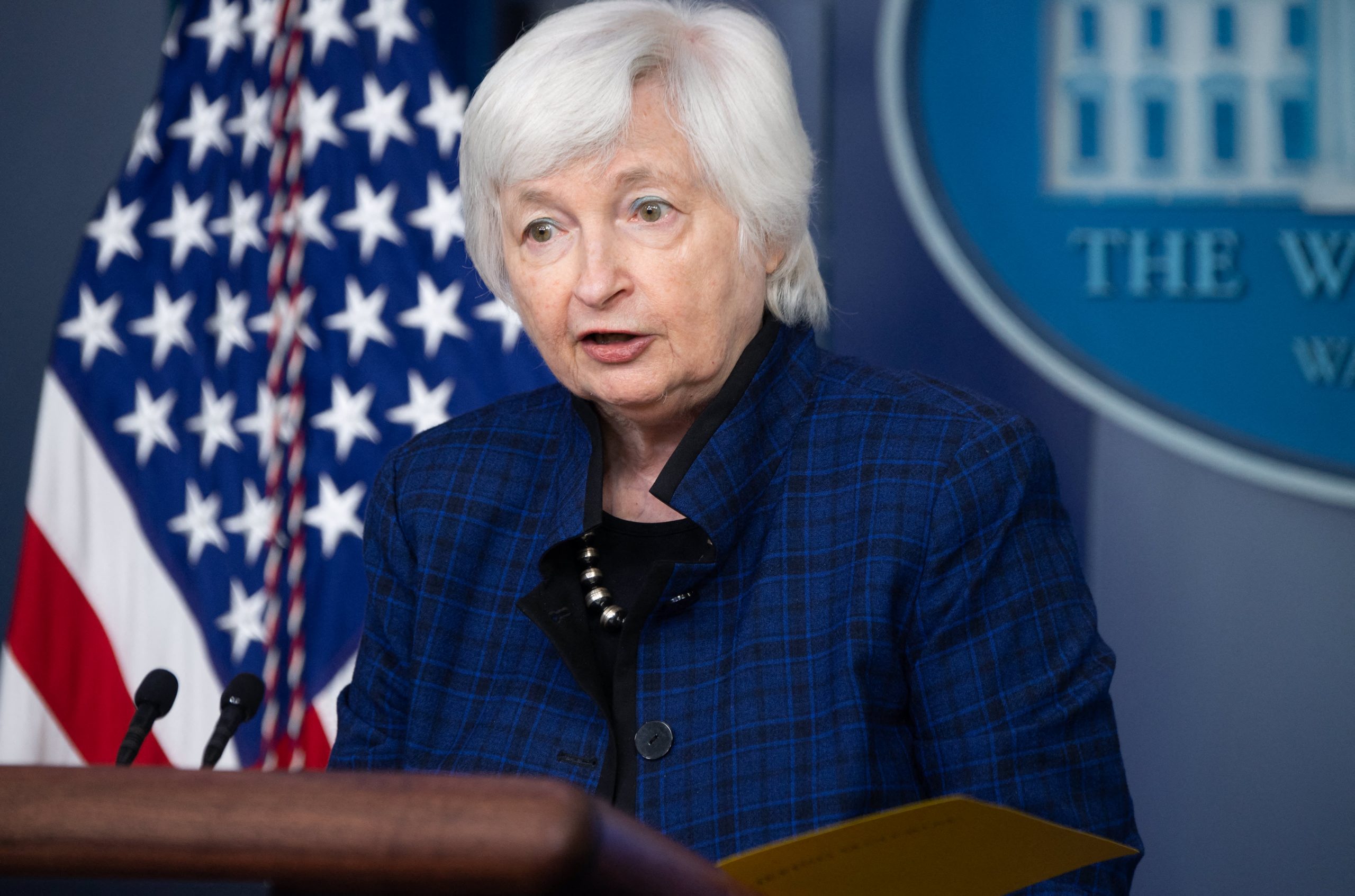
In this articleBTC.CM=The Treasury Department on Thursday announced that it is taking steps to crack down on cryptocurrency markets and transactions, and said it will require any transfer worth $10,000 or more to be reported to the Internal Revenue Service.”Cryptocurrency already poses a significant detection problem by facilitating illegal activity broadly including tax evasion,” the Treasury Department said in a release.”This is why the President’s proposal includes additional resources for the IRS to address the growth of cryptoassets,” the department added. “Within the context of the new financial account reporting regime, cryptocurrencies and cryptoasset exchange accounts and payment service accounts that accept cryptocurrencies would be covered. Further, as with cash transactions, businesses that receive cryptoassets with a fair market value of more than $10,000 would also be reported on.”Bitcoin reversed course shortly after the Treasury’s announcement and was last seen trading up 1.6%, according to Coin Metrics. Previously in the session, it was up more than 9%.A growing number of Wall Street analysts have over the past month sounded the alarm that regulators at the Treasury and the Securities and Exchange Commission could soon take a more active role in cryptocurrency regulation.Zoom In IconArrows pointing outwardsThe Treasury Department’s release came as part of a broader announcement on the Biden administration’s efforts to crack down on tax evasion and promote better compliance. Among proposals officials are considering are bolstered IRS funding and technology, and more severe penalties for those who evade their obligations.According to the Treasury’s estimates, the difference between taxes owed to the U.S. government and those actually paid totaled nearly $600 billion in 2019.Increased regulation will likely upset some cryptocurrency investors, who have seen the value of bitcoin slide about 25% over the past month and talk of capitulation creep into online forums.With longtime cryptocurrency expert Gary Gensler at the head of the SEC, Raymond James expects it’s only a matter of time until Congress grants the regulator broader jurisdiction.He told lawmakers earlier this month that allowing the SEC to regulate cryptocurrency exchanges will help ensure investors are protected and prevent market manipulation.”Chairman Gensler is viewed as a potential ally for cryptocurrencies as a former professor on the topic; however, these statements are likely to revisit debates regarding the regulatory risk to cryptocurrencies and exchanges,” Raymond James analyst Ed Mills wrote earlier in May.”In the short-term, this could cause headline risk,” he added. “However, in the medium-to-long term, regulation would add further legitimacy to the asset class and could provide a regulatory moat around existing cryptocurrency exchanges.”Treasury Secretary Janet Yellen speaks during the daily press briefing on May 7, 2021, in the Brady Briefing Room of the White House in Washington, DC.Saul Loeb | AFP | Getty ImagesWhile involvement by the Treasury Department and the SEC may ultimately prove a boon for cryptocurrency investors, any near-term regulatory hurdles will likely come as another bother for investors in bitcoin, dogecoin and the like.Those sentiments were echoed by Miller Tabak last month, when the firm told clients that “cryptocurrency markets are not properly considering legal risk.””Confirmation of Gary Gensler as SEC Chairman, and cryptocurrency volatility over the weekend following rumors of tighter regulation, highlight the regulatory risks facing this industry,” strategic economist Paul Shea wrote in April.”The difference in regulatory risk and progress as a means of payment raises an important question: are other coins’ recent success due to good news about them or are they piggybacking on positive sentiment related to bitcoin?” he added.Democrats and Republicans alike have made cryptocurrency regulation a top priority in 2021 as run-ups in the price of bitcoin and other digital assets last year sparked concerns of market manipulation and uninformed retail investments.— CNBC’s Michael Bloom contributed reporting.Become a smarter investor with CNBC Pro. Get stock picks, analyst calls, exclusive interviews and access to CNBC TV. Sign up to start a free trial today

The Fed this summer will take another step in developing a digital currency

The Federal Reserve is moving forward in its efforts to develop its own digital currency, announcing Thursday it will release a research paper this summer that explores the move further.Though the central bank did not set any specific plans on the currency, Chairman Jerome Powell cited the progress of payments technology and said the Fed has been “carefully monitoring and adapting” to those innovations.”The effective functioning of our economy requires that people have faith and confidence not only in the dollar, but also in the payment networks, banks, and other payment service providers that allow money to flow on a daily basis,” Powell said in a video message accompanying the announcement.”Our focus is on ensuring a safe and efficient payment system that provides broad benefits to American households and businesses while also embracing innovation,” he said.Fed officials have emphasized the importance of getting the issuance of a central bank digital currency right rather than participating in a race with its global peers.However, the moves of multiple countries, most prominently China, in the central bank digital currency (CBDC) space has intensified talk about how aggressively the Fed should move. China’s progress has stirred worries that it could undermine the dollar’s position as the global reserve currency.Powell referenced the growing popularity of digital currencies like bitcoin, though he said they remain inefficient payment mechanisms. Stablecoins, which are tied to specific currencies, offer other advantages.”Technological advances also offer new possibilities to central banks — including the Fed,” Powell said. “While various structures and technologies might be used, a CBDC could be designed for use by the general public.”The Fed has been studying payments systems for several years and plans to release a product called FedNow, likely in 2023, that would address many of the issues regarding the need for immediacy in transactions as well as the plight of the unbanked.However, digital coins represent another avenue that central banks are pursuing to make payments more efficient. There remain multiple issues around implementation, though, that have held back the efforts.”We are committed at the Federal Reserve to hearing a wide range of voices on this important issue before making any decision on whether and how to move forward with a U.S. CBDC, taking account of the broader risks and opportunities it could offer,” Powell said. “The paper represents the beginning of what will be a thoughtful and deliberative process.”The Fed is working in conjunction with a variety of groups on the project, including the Bank for International Settlements. The Boston Fed has taken the lead on the project.Become a smarter investor with CNBC Pro.Get stock picks, analyst calls, exclusive interviews and access to CNBC TV.Sign up to start a free trial today.

Tesla plans to deliver Model S Plaid in June after months of delays

In this article4165.T-JPTSLATesla Model S PlaidTeslaElon Musk said in a tweet on Thursday that Tesla will hold a “delivery event” at the company’s Fremont, California, factory on June 3 for the long-delayed Model S Plaid.Specifically, he wrote: “Tesla Model S Plaid delivery event June 3 at our California factory. Fastest production car ever 0 to 60mph in under 2 secs.”The Model S Plaid is an updated version of the company’s flagship battery electric sedan, which has been in production since 2012.Musk and Tesla first promoted and promised Plaid versions of the Model S, Model X SUV and Tesla Roadster in September 2019. At that time, the CEO told his tens of millions of Twitter followers that a Plaid powertrain was about one year away from production.Tesla drew criticism when it revealed the interior of the Model S Plaid during an earnings update in January this year. The design includes a steering yoke option, in lieu of a round steering wheel. Steering yokes are more appropriate for the race track than everyday vehicle use, in part due to steering ratio and because average drivers need to frequently reposition their hands on the wheel.During that quarterly earnings call, Musk said that the Model S Plaid was already in production. In February, he said on an episode of the popular podcast “The Joe Rogan Experience” that the Model S Plaid would begin shipping in February, and he talked up its wider wheel base and acceleration and called the car “uncomfortably fast.”Following those promises, Tesla revealed in its first-quarter vehicle production and deliveries report that it had not produced a single Model S or Model X during the first three months of the year.The delays have frustrated Tesla loyalists but not driven them all away.Barry Stuppler, a longtime Tesla owner who ordered his first Model S in 2014, spoke with CNBC about his long wait for the new version of the Model S.He ordered a Model S Plaid in January 2021, with plans to give his older Model S to his son. Tesla’s sales and delivery teams initially told him to expect to take delivery by the end of March.The month approached, and without warning Tesla updated his estimated delivery date several times, telling him to expect the Model S Plaid to arrive as late as July. His son has been renting a vehicle in the meantime.Stuppler said he loves his old Tesla Model S and never needing to get gas. At the same time, he acknowledges that Tesla is lucky to have exceedingly patient customers.Stuppler runs a rare coins and precious metals wholesale business, Stuppler & Co., and said he has developed an appreciation for good value but also strong customer service. If the battery electric Mercedes-Benz EQS were already available, he said, he would have ordered one instead of the Tesla.Tesla is facing increasing competition as other automakers get into the pure battery electric segment. Competition for the Model S Plaid today includes the Porsche Taycan and Audi E-tron and will include the forthcoming Lucid Air and Mercedes EQS, among others.Tesla still has not said when deliveries of the Plaid version of its Model X SUV or reimagined Tesla Roadster will begin. Musk previously said those vehicles, but not the Model 3 and Y, would feature the Plaid powertrain.

Snap reaches 500 million monthly users

In this articleSNAPEvan Spiegel, CEO of SNAP Inc.Stephen Desaulniers | CNBCSnap said Thursday that its social media app Snapchat has reached 500 million monthly active users.Shares of Snap were up as much as 5% on Thursday after the company announced the feat. This is a significant milestone for Snap, a company that refused multi-billion dollar acquisition offers by Facebook before it went public in 2017 and survived an ill-fated redesign in 2018 that its users hated.Snap had never released monthly-active-user figures before Thursday. Rather, the company had always focused on its daily user base, which reached 280 million in April. That’s up 22% compared to a year prior.To be sure, the company’s 500 million monthly users are just a fraction of the 2.85 billion who open Facebook each month.The milestone was announced Thursday at the company’s 2021 Snap Partner Summit, where it also shared a number of new augmented-reality features that could help the company monetize that 500 million monthly user base.Zoom In IconArrows pointing outwardsThere’s a scene in 1995’s “Clueless” where Cher Horowitz uses a computer to quickly glance and superimpose the catalog of clothing in her closet on her body to pick the perfect outfit.At the time, it was a fantastical technology, reserved for a rich girl, but now, Snap is releasing something similar for the masses.The features announced on Thursday will allow users to browse companies’ catalogs of clothing and accessories using the Snapchat app. These features will make it possible for users to virtually try on goods, visualizing how they will look on them in real life.With these features, users can stand up their phone or set it on a stand and face it toward them. The screen will superimpose augmented-reality clothing on the user, who can then sift through and try on other virtual clothing. Snap’s new features will allow consumers to use voice and gesture commands to move through items. Users can say “next” or wave their hands to overlay the next item on their bodies.Zoom In IconArrows pointing outwardsThe company is also launching a “wrist-tracking technology” that allows consumers to use AR lenses to try on watches and jewelry.Another new feature, called Screenshop, allows consumers to use the Snapchat camera to scan a friend’s outfit and shop for similar looks recommended by the app.Snap is also rolling out public profiles for businesses, which will allow brands to showcase their posts and AR lenses. These profiles will also include Shop pages, where users can browse brands’ catalogs and buy goods directly through the Snapchat app.The company is also introducing a new technology called Connected Lenses, which allow friends in distant places to interact with the same virtual lenses. To start, the company will have a lens that allows users to build a Lego kit together.Zoom In IconArrows pointing outwardsThese features are part of a broader push by Snap and other social media companies to bring more e-commerce shopping directly into their apps. This capability has become particularly important since Apple in April rolled out iOS 14.5, an update to the iPhone and iPad operating systems that lets users pick which apps are allowed to track their activity on their devices.With Apple’s new privacy features, social media companies will have a harder time proving the effectiveness of their ads if consumers don’t make a purchase immediately after viewing the ad or within their own apps.This is why Snap in February announced its plans to provide advertisers with more opportunities to provide their products and services to Snap users directly through Snapchat. With the announcement of Thursday’s AR shopping features, Snap is taking some of its first steps delivering on those promises.

Oatly stock soars with projected IPO value of over $10 billion

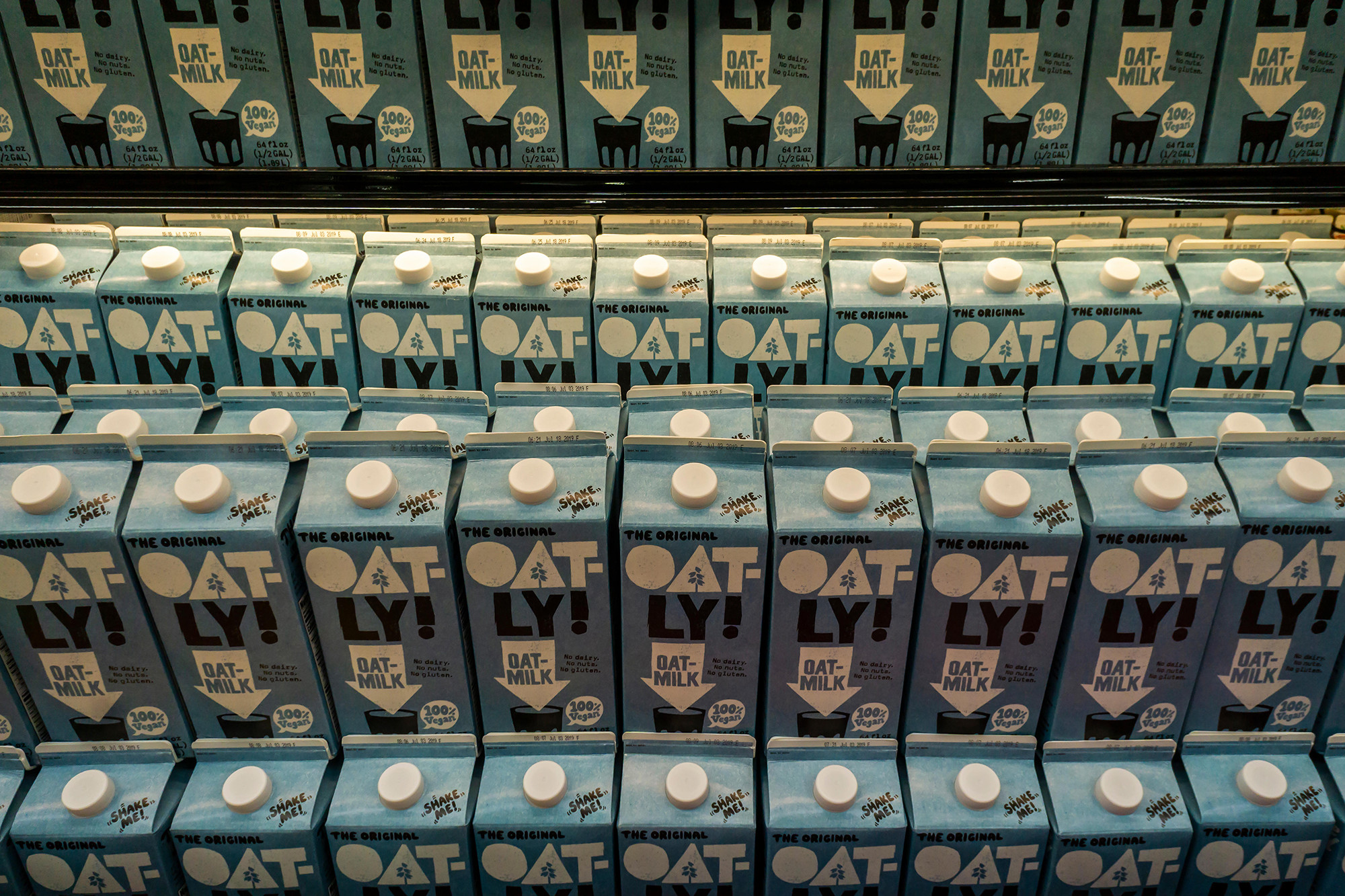
Shares of Swedish oat milk brand Oatly soared nearly 30 percent during the company’s public market debut Thursday.

The stock began trading around 11:45 a.m. ET at $22.12, about 30 percent above the IPO price, giving the company a valuation of $13.1 billion. The Malmo, Sweden-based company is trading on the Nasdaq under the ticker “OTLY.”

The oat-milk maker priced its IPO on Wednesday evening at $17 per share, at the top of its indicated range, giving it a valuation of $10 billion and raising over $1.4 billion from the sale of new and existing equity.

The company sells a milk substitute made from oats. It’s grown rapidly since its US debut five years ago, riding a wave of interest in plant-based foods, particularly among health- and sustainability-conscious millennials and Gen Z consumers. 

The Swedish oat milk producer has grown rapidly since its arrive in the US five years ago. TT NEWS AGENCY/AFP via Getty Ima

As of the end of 2020, Oatly products were sold in about 8,500 retail shops and nearly 10,000 coffee shops in the US, according to the company’s regulatory filings.

The market for plant-based alternatives is competitive, with start-ups like Beyond Meat and Impossible Foods already in the space, and established food companies like Nestle and Target announcing plans to pursue plant-based food options. And even within the milk alternative market, Oatly faces steep competition with deep-pocketed rivals like Danone and Unilever. 

But Oatly has largely managed to distinguish itself with offbeat marketing, in particular. The company debuted a memorable low-budget commercial at this year’s Super Bowl, which featured Oatly CEO Toni Petersson sitting at a piano in the middle of a field singing, “Wow! Wow! No Cow!” 

After poor reviews, the company gave away Tee-shirts that read, “I totally hated that Oatly commercial.”

Oatly earned a $2 billion valuation even though the company has yet to post a profit.Jeff Greenberg/Universal Images

The company’s cartons and advertising on billboards, busses and elsewhere also feature over-the-top claims about the benefits of oat milk.

“Think cow’s milk. Without the cow and the milk part. And 80% fewer greenhouse gas emissions: That’s all,” reads one advertisement featured in the company’s regulatory filings. 

In addition to oat milk, the company also now sells some oat-based ice cream, yogurt, cooking creams and spreads. 

The company has scored some big-name investors. Last July, a group led by private equity giant Blackstone and that included Oprah Winfrey, Natalie Portman, Jay-Z’s entertainment agency and former Starbucks CEO Howard Schultz invested $200 million in Oatly. 

That investment spurred some backlash for Oatly from protestors who criticized the company’s ties to Blackstone, which has investments in a handful of companies that don’t share Oatly’s vision around sustainability.

The investment nonetheless earned Oatly a $2 billion valuation, even though the company has yet to post a profit. While sales more than doubled from 2019 to hit $421.4 million last year, it posted a loss of $60.4 million as it invested in product development, new factories and marketing, according to its regulatory filings.

Robinhood will give retail investors access to IPO shares

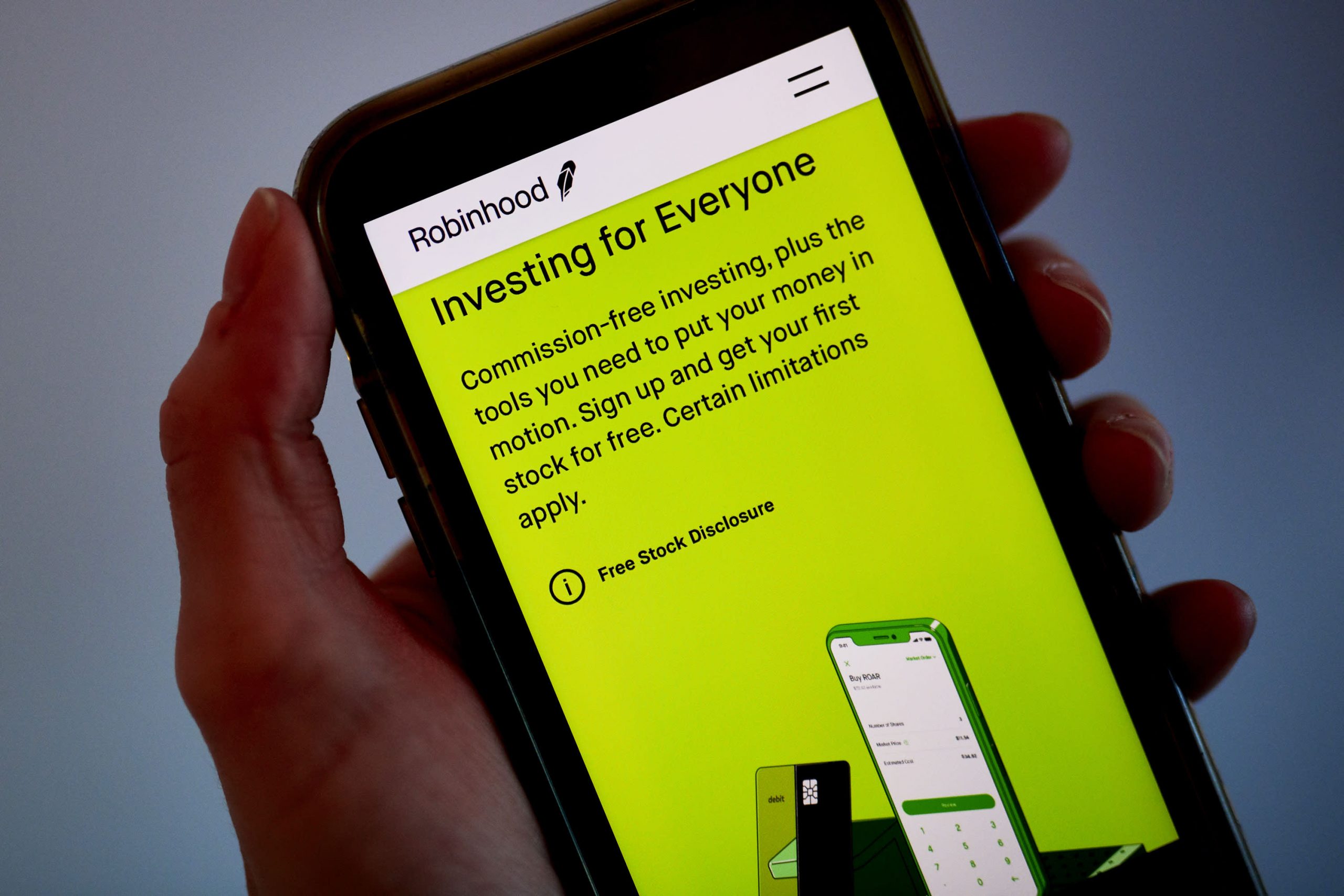
The Robinhood application on a smartphone.Bloomberg | Bloomberg | Getty ImagesRobinhood is giving amateur investors access to initial public offering shares in its latest move to democratize retail investing.IPO shares have historically been set aside for Wall Street’s institutional investors or high-net worth individuals. Retail traders typically don’t have a vehicle to buy into newly listed companies until those shares begin trading on an exchange, which is often after the share price has surged.”We’re starting to roll out IPO Access, a new product that will give you the opportunity to buy shares of companies at their IPO price, before trading on public exchanges. With IPO Access, you can now participate in upcoming IPOs with no account minimums,” Robinhood said in a blog post Thursday.Robinhood will not be an underwriter for companies hitting the public markets but will get an allocation of shares by partnering with investment banks.This move is Robinhood’s latest to antagonize Wall Street. IPO stock pops on the first day averaged 36% in 2020, according to Dealogic, demonstrating individual investor thirst for some of these popular names that is not priced into IPO pricing. These are gains the little guy is missing out on.The traditional IPO process has been criticized in recent years as being broken, with investment banks allotting the shares to big clients who reap the instant first-day gains. Going public by way of direct listing has combated some of these criticisms.Figs IPO to be the firstUsing IPO Access, Robinhood clients will be able to request to buy shares at their initial listing price range. When the final price is set, clients will be able to go through with the purchase, change or cancel.Medical scrubs company Figs — which filed its paperwork to go public to the SEC on Thursday — will be the first company to offer its share on the Robinhood app.”We currently anticipate that up to 1.0% of the shares of Class A common stock offered hereby will, at our request, be offered to retail investors through Robinhood Financial, LLC, as a selling group member, via its online brokerage platform,” Figs said in its S1 filing document.”This is the first initial public offering to be included on the Robinhood platform and there may be risks associated with the use of the Robinhood platform that we cannot foresee, including risks related to the technology and operation of the platform, and the publicity and the use of social media by users of the platform that we cannot control,” the company added.The IPO date isn’t set, but companies typically go public one to months after their S1 prospectus is filed with the SEC.It is unclear if Robinhood clients will be able to invest in Robinhood’s pending IPO. The stock trading app is expected to go public in the first half of 2021 and has filed confidentially with the SEC.IPO Access will be rolled out to all clients over the next few weeks.Robinhood’s IPO product comes on the heels of record levels of new, younger traders entering the stock market during the pandemic. That surge has continued into 2021, marked by frenzied trading around so-called meme stocks like GameStop.Online finance start-up SoFi made a move similar to Robinhood’s in March; however, Sofi will be an underwriter for its offered IPOs.Become a smarter investor with CNBC Pro. Get stock picks, analyst calls, exclusive interviews and access to CNBC TV. Sign up to start a free trial today— with reporting from CNBC’s Kate Rooney.

Morgan Stanley boss James Gorman anoints possible successors

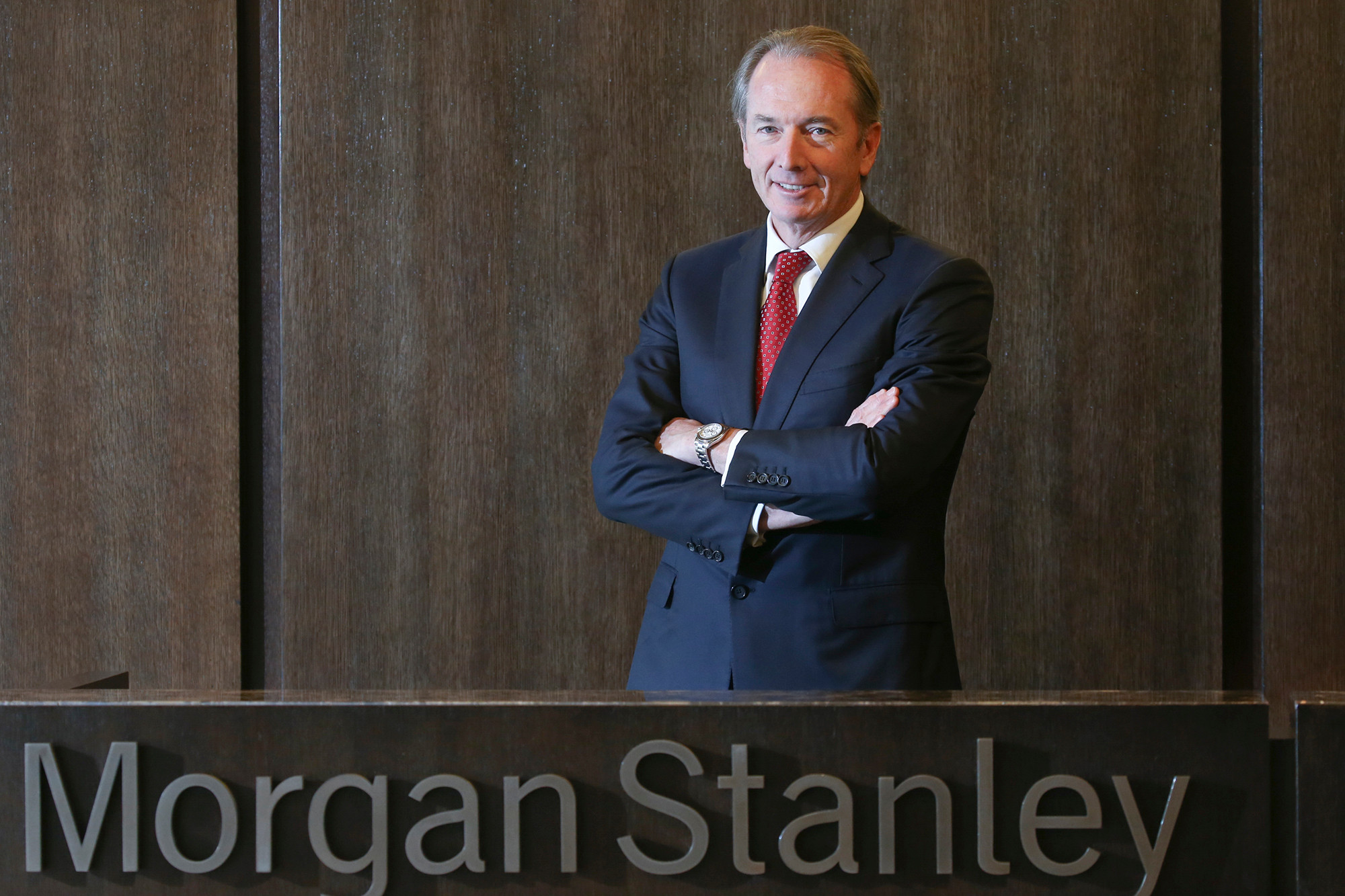
Morgan Stanley chief executive James Gorman named longtime deputies Ted Pick and Andy Saperstein as co-presidents — setting up a race to succeed him at the helm of the Wall Street giant.

Pick, 52, will continue to lead institutional securities but will also be promoted to oversee Morgan Stanley’s international operations as co-head of firm strategy and execution. Saperstein, 54, runs the company’s wealth management division and will now assume responsibility for global marketing.

Both men have been critical in Morgan Stanley’s comeback after the financial crisis — with Pick building up the company’s stock trading business and Saperstein transforming the firm’s wealth management division over the last decade.

“The management appointments announced today reflect the next generation of leadership at Morgan Stanley,” Gorman said in a statement. “Ted Pick and Andy Saperstein lead our two largest businesses and have both played critical roles in our success.”

The announcement comes after a banner year for the bank as the stock more than doubled — jumping from $41 a share a year ago to more than $86 a share today. Over the last year, the bank also closed on acquisitions of popular trading platform E*Trade as well as investment company Eaton Vance.

Gorman, 62, has served as Morgan Stanley chief for 11 years but has been without a president by his side since longtime deputy Colm Kelleher left two years ago. And while Gorman has told the board he plans to stay for another three years, these announcements set the stage for the financiers to duke it out for the top spot.

People walk near Morgan Stanley’s Times Square headquarters.Getty Images

Investment management chief Dan Simkowitz will also be promoted to co-head of firm strategy and execution. The firm’s chief financial officer Jonathan Pruzan will be promoted to chief operating officer. Head of investor relations Sharon Yeshaya will take over as CFO.

Morgan Stanley’s announcement comes just two days after JPMorgan chief Jamie Dimon announced he was appointing Marianne Lake and Jennifer Piepszak as co-heads to run the consumer and community bank. Although Dimon isn’t expected to leave for at least another five years, the women are seen as odds-on favorites to assume Dimon’s role when he does head for the exit.

Gorman added, “I look forward to continuing to work with each of these leaders and the rest of our Operating Committee and Management Committee in the coming years as we continue to build on our strong momentum.”

The changes will go into effect on June 1.