TokyoTokyo Mon - Fri 10:00-18:00 +81 (366) 701-751
info@mountequitygroup.com

Blog

Elon Musk tweets 'diamond hands' emoji amid bitcoin drop, implying Tesla won't sell

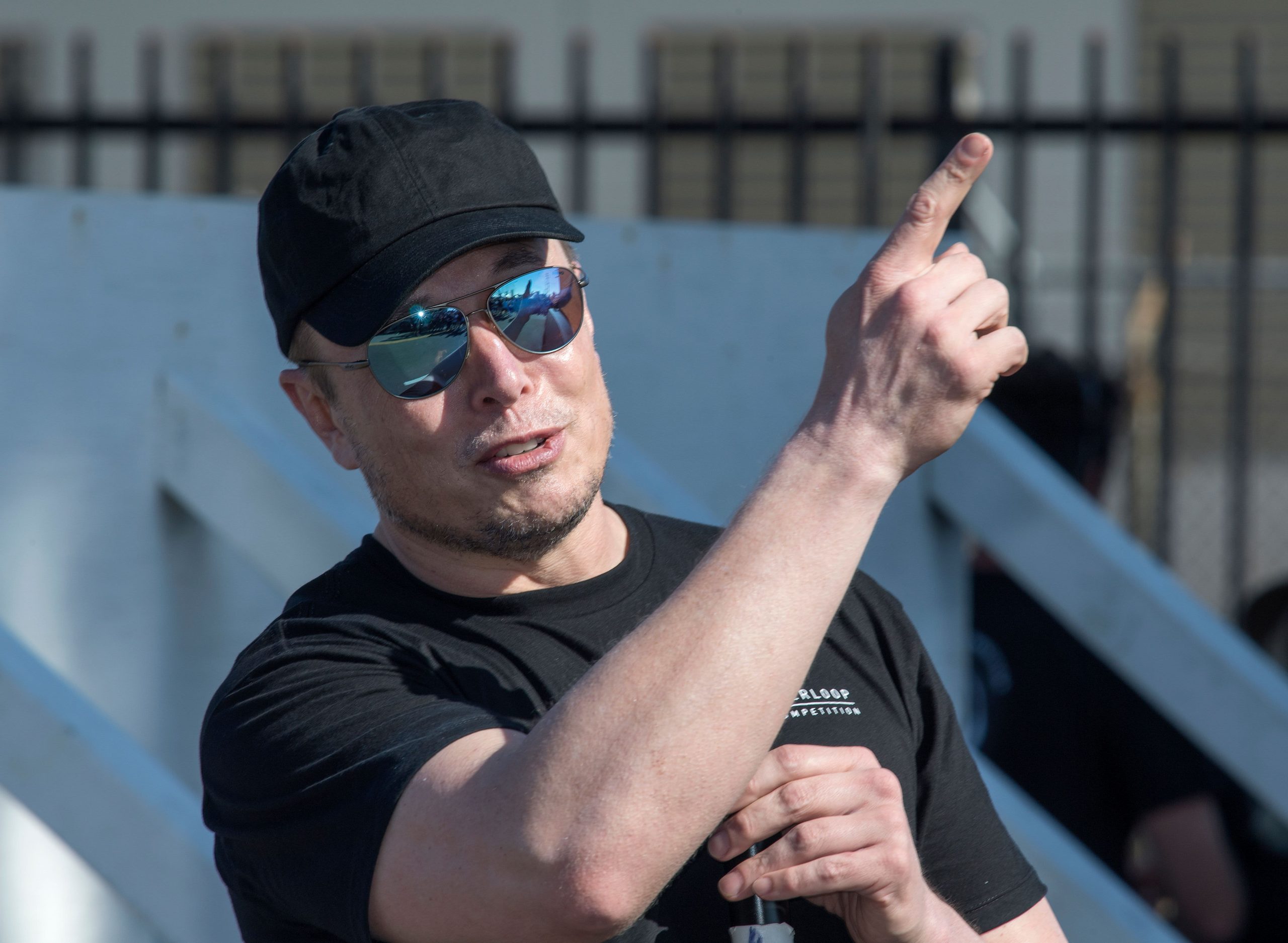
In this articleTSLAElon MuskMark Ralston | AFP | Getty ImagesTesla CEO Elon Musk doesn’t appear to be shying away from bitcoin, despite the crypto-wide sell-off, which cut the value of bitcoin in half at one point over the last 24 hours.In a tweet Wednesday morning, through a combination of text and emojis, Musk said that Tesla had diamond hands, implying that the electric vehicle maker would not be shedding its $1.5 billion stake in bitcoin.The world’s most popular cryptocurrency plunged as much as 30% on Wednesday to just above $30,000, its lowest level since late January, according to Coin Metrics. That means bitcoin has now erased all its gains following Tesla’s announcement that it would purchase $1.5 billion worth of the cryptocurrency.Musk’s messaging on Tesla’s bitcoin position has been mixed.On May 12, he said Tesla had suspended vehicle purchases using bitcoin, citing environmental concerns over the mining process. After that, $300 billion was wiped off the entire cryptocurrency market over the same day.Musk also suggested on Twitter over the weekend that Tesla might sell its bitcoin holdings, but later clarified that the company would not sell.Tesla itself is part of a broader tech sell-off, down about 4% so far Wednesday. Microstrategy, another company that holds a large amount of bitcoin for its corporate treasury, is down by more than 7%.
Robinhood to release its IPO filing next week: report

The trading app that’s become synonymous with the “Reddit rally” is about to open the kimono.

Robinhood Markets Inc. expects to publicly file key financial data with the Securities and Exchange Commission next week ahead of its planned initial public offering in June, Bloomberg reported.

The planned S-1 filing will provide the first glimpse into the inner workings of an app used by more than 13 million people to trade securities and crypto. The document will detail Robinhood’s current financial status and explain how it plans to use the money raised from its IPO.

The move follows Robinhood’s confidential IPO filing in March, allowing the Securities and Exchange Commission to first review its paperwork before showing it to the world.

The IPO comes on the heels of a tumultuous year for the no-fee trading app, which soared in popularity last year as stuck-at-home consumers looked for ways to spend their stimulus checks.

The app soon became popular with day traders intent on taking down Wall Street by buying stocks large hedge funds bet would decline in value, including video game retailer GameStop. But its decision to halt buying of Gamestop as investors piled into the stock backfired in part because Robinhood makes money through order flow paid by Wall Street clearing firms.

The apparent conflict of interest spawned a spate of congressional hearings that forced Robinhood CEO Vlad Tenev to defend the company’s actions in front of top political figures.

Robinhood head Vlad Tenev speaking during a 2016 tech event in Brooklyn.Getty Images for TechCrunch

Robinhood has also recently come under fire for the “gamification of trading,” or using gimmicks to encourage small investors to trade more, resulting in more order flow and therefore more money for the app.

The new SEC chief, Gary Gensler, has vowed to look into the issue and cautioned investors in a hearing earlier this month that there’s no such thing as a free app. “There are costs. It’s like an iceberg: Most of the iceberg is below the surface,” Gensler said.  “The costs are below the surface.”

Tennessee congressman reaps windfall on Dogecoin bets

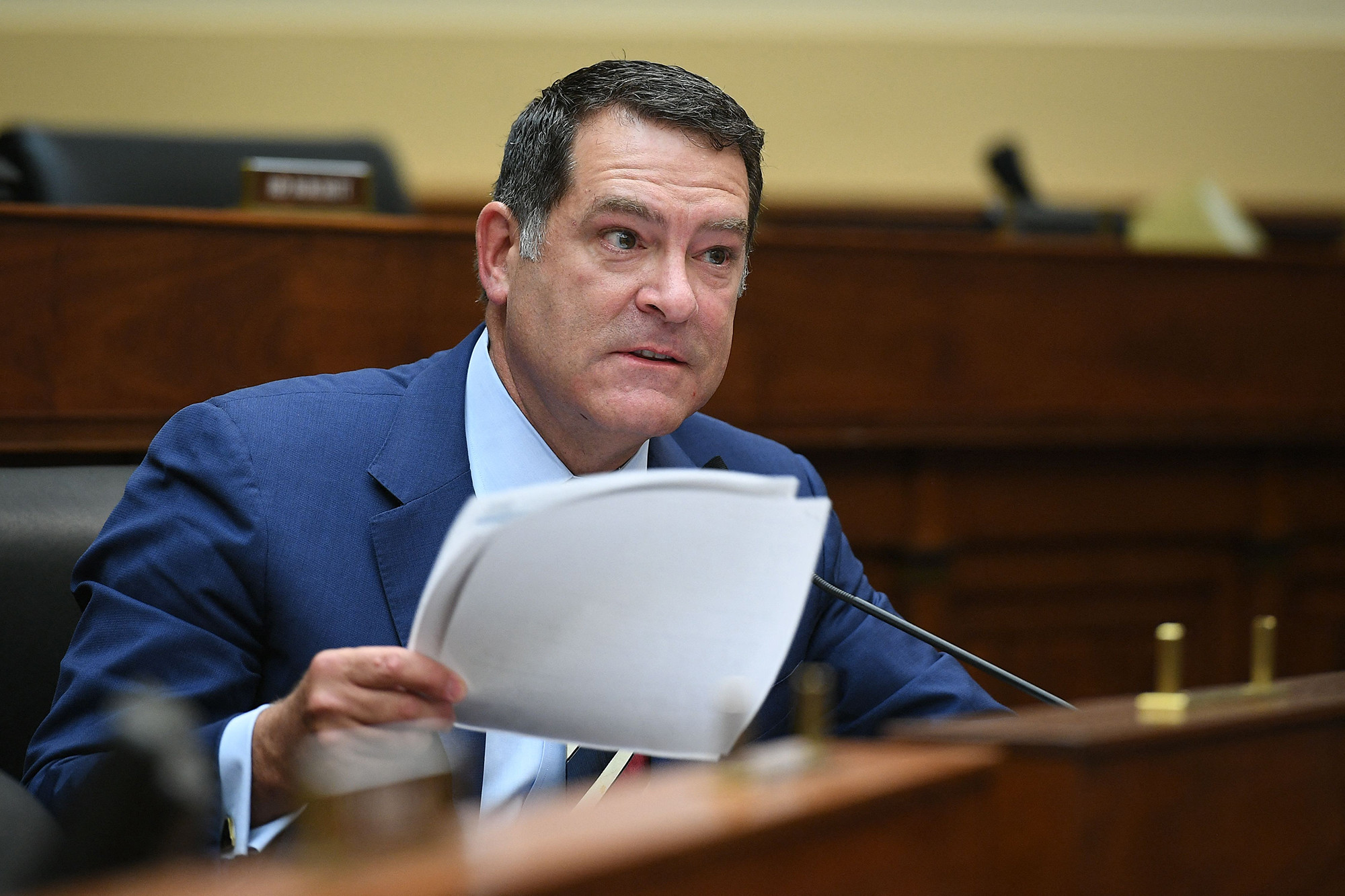
A Tennessee congressman jumped into the Dogecoin craze — and reaped a windfall on the risky, canine-themed cryptocurrency, government documents show.

In early April, US Rep. Mark Green (R-Tenn.) made two purchases of Dogecoin that were each worth between $1,000 and $15,000 at the time, according to public disclosures on investments that are required for US lawmakers.

Dogecoin — a dog-themed digital coin that was created in 2013 as a joke — was trading at slightly over 6 cents when Green first bought it on April 1. It had risen to 12 cents when he doubled-down on April 14, according to Coindesk.

Doge — which had been trading at less than a penny at the start of the year — then began an eye-popping ascent as it got plugs from billionaires like Tesla tycoon Elon Musk and Dallas Mavericks owner Mark Cuban, sending it as high as 72 cents on May 7.

Green sold between $1,000 and $15,000 worth of Dogecoin on May 11 — at which point the cryptocurrency was priced at 50 cents, according to public documents. That means that any coins Green purchased on April 1 netted an 800-percent profit, while those that he bought on April 11 netted a more than 400-percent return.

Green cashed out just days after Musk’s appearance on “Saturday Night Live,” in which the tech billionaire called Dogecoin a “hustle,” sending the cryptocurrency tumbling.

Rep. Green scooped up Dogecoin in early April when it was trading between 6 cents and 12 cents, then sold a chunk on May 11 when it was trading at 50 cents, reaping a massive profit.Thomas Levinson/NY Post; Data Source: Coindesk

Whatever the size of his trade, it looks like Green cash out a chunk of it at the right time. Dogecoin was trading at 31 cents early Wednesday, down about 40 percent from when he sold last week, but still well above where he bought both tranches.

Green — a 56-year-old legislator best known for ending a state income tax in Tennessee, as well as a military career that included a stint in the Gulf War — did not immediately respond to The Post’s request for comment on Wednesday. It’s also unclear whether he still owns any Dogecoin.

In mid-April, Green also made bets on three other cryptocurrencies — Ethereum Classic, Stellar Lumens and EOS, according to disclosure documents.

While other members of Congress including Sen. Cynthia Lummis (R.-Wyo.) and Bob Goodlatte (R.-Va.) have disclosed owning Bitcoin, Green appears to be the first member of the country’s highest legislature to dabble in Doge. He has represented central and western Tennessee’s 7th district since 2019.

Last week, a managing director at Goldman Sachs reportedly quit his job after raking in millions trading the cryptocurrency.

In addition to Dogecoin, which boasts a Shiba-Inu dog for its mascot, Rep. Green has recently invested in the cryptocurrencies Ethereum Classic and EOS, government records show.Yuriko Nakao/AFLO/Shutterstock

Facebook wants its pay-per-view model to expand across sports

In this articleFBIn this photo illustration a Facebook logo seen displayed on a smartphone.Rafael Henrique | SOPA Images | LightRocket | Getty ImagesFacebook has a plan to turn its live online events product into a pay-per-view option for sports leagues broadcasting games on the platform.It’s a feature Facebook says will help businesses, including sports companies, make more money in a changing content consumption landscape.The social media giant envisions high school sports teams and smaller leagues using the feature that allows users to make money for virtual attendance, and keep ticket profits — for now. And Facebook plans to invest in paid online events, the livestreaming feature that lets you pay for a virtual “ticket” to watch, sort of like pay-per-view on cable.For decades, media networks such as HBO and Showtime have used the pay-per-view fees, especially for boxing. WWE and mixed martial arts company UFC also earned money from pay-per-view events. And the business model is precisely that — paying to watch an event, no subscription needed.”I think pay-per-view is by no means on any verge of extinction,” said Rob Shaw, Facebook director of sports media and league partnerships, in an interview with CNBC. “I think this is something that helps breathe new life into it. People are willing to pay to experience a moment.””One thing I’ve noticed, though,” he added. “I don’t think people are willing to immediately start with a subscription.”Expanding paid eventsSince it launched last August, Facebook said paid online events is available in 44 markets globally, including in the U.S. In its earnings report last month, Facebook reported 2.85 billion monthly active users and 1.8 billion daily active users. Hence, Facebook has a built-in audience to make this feature work.Facebook said users request access to host an event and first have to pass integrity checks. Once they are approved, Facebook will also monitor events to prevent explicit content. Businesses and users can host livestreams for moments, including course-like events such as cooking, gaming tournaments and introducing new products.Second- and third-tier sports leagues and high schools can also use the paid feature to attract attendance. Facebook said it saw positive results in March for Challenge Miami, a professional triathlon event. Users purchased tickets for $2.99 each, and the event drew over 17,000 people. That’s more than the event draws in person, and 70% of the people watched from outside the U.S.Yoav Arnstein, Facebook’s director of product management, said the race was when the company knew paid online events had growth potential along with the benefit of allowing event hosts to make money globally.”That goes to show the ability of sports infusion — to go and extend the reach beyond the current locale of the event, which is tremendous,” Arnstein said.And Facebook further witnessed the success of livestreaming on its platforms throughout the pandemic with events such as Verzuz, which pairs notable musical stars in a battle-style event on Instagram. After building the livestreaming audience, Verzuz sold to streaming company Triller. Triller has spent over $250 million in the last six months acquiring streaming platforms and content, according to a person familiar with the acquisition. The person spoke to CNBC on condition of anonymity as they weren’t authorized to speak publicly about Triller’s deal.Other platforms, such as OnlyFans, further prove the appetite is there for users to monetize peer-to-peer content. And now Facebook is looking behind the pandemic with its livestreaming products.Shaw called paid online events “another tool in our suite of monetization products that allows you to monetize your content directly.”Neil Patel is the chief marketing officer at NP Digital, a marketing agency that works with companies including Facebook, Google and NBCUniversal, the parent company of CNBC.To test paid online events, Patel said NP marketed events offering a similar livestreaming product. The company targeted consumers for the same event, sending half to a third-party site and others to Facebook. He said paid online events generated 28% more revenue for content creators than third-party services.”The conversion rates are higher. It makes your [return on investment] much higher as a content creator, and you’re more likely to leverage it,” Patel said. “Who wouldn’t want 28% more revenue? This is just a better, more economical way you can reach way more people.”Paid online events also has a replay feature, allowing users who missed the live session to pay and watch later. Arnstein said Facebook needs to add more engagement features to differentiate paid online events from its free streaming products. Facebook is also testing a geofencing feature that can allow hosts to target specific regions where they want events to stream.It’s here pro sports teams can benefit on the local level one day in the future.A television video person uses an iphone and stabilizer to film for facebook live broadcast before the game between the Syracuse Orange and the Louisville Cardinals on September 9, 2016 at The Carrier Dome in Syracuse, New York.Brett Carlsen | Getty ImagesA new playbook for the future Again, Facebook sees success with smaller sports companies who use the product, such as Major Arena Soccer League. Broadcast media rights restrict top sports leagues such as the National Football League and National Basketball Association to livestreaming games on Facebook.But while leagues are secured on the national front, locally their clubs will need to get creative as the regional sports network, or RSN, business model needs to combat cable cord-cutters.Attempting to bypass TV would involve lots of red tape, and RSN fees are still crucial for a pro team’s annual revenue. But Facebook’s geofencing would help, as sports clubs could limit livestreams within their market reach to help target areas beyond North America.And outside of games, clubs could monetize other content, such as team practices and other behind-the-scenes videos. Shaw labels it “developing a new playbook” for future monetization.”I think this will catch on to every league and media company,” Shaw said. “It’s going to be challenging to figure out how they can thread the needle to be able to do this. But once they do, on the other side, there is an ability to engage and interact with a completely different audience than those who would watch it on television.””In the new marketer’s playbook,” he added, “it’s all about reaching and engaging with an audience which you are then able to drive business outcomes.”The logos of Google, Apple, Facebook, Amazon and Microsoft displayed on a mobile phone with an EU flag pictured in the background.Justin Tallis | AFP via Getty ImagesWhat about the fees?Content creators receive 100% of revenue from tickets to a paid event for now. But unless an extension occurs, that will end by August. Facebook doesn’t currently charge fees, as Apple and Google have put a pause on the cut they take from the events to give hosts a break during the pandemic. But Facebook expects the tech giants to eventually attach in-app charges and pass the cost to users.  Asked how charges would work, Arnstein told CNBC the company would provide updates about fees in the coming weeks, declining to elaborate further. And it’s not clear if Facebook could incorporate ads with its paid streaming. Arnstein reiterated the product is still in the early stages but said he’s “bullish” on the future of paid online events being a mainstay in sports consumption.”Facebook is pushing hard on this, and I think they’ll end up becoming the leader [in paid livestreaming],” Patel said. “What I’m seeing is, they are trying to go directly after television networks and channels. They are trying to own the attention whether it’s online or offline — they want it.”

Coinbase back online following outage for some users amid bitcoin sell-off

In this articleCOINScreenshot of the Coinbase siteCoinbaseCrypto-exchange Coinbase has resumed services, the company said. The service was offline for some users earlier on Wednesday as digital coin prices plunged.”We’ve put a fix in place and are monitoring the results, however you shouldn’t run into any more trouble logging into Coinbase and Coinbase Pro. We sincerely apologize for any trouble caused by this issue, and we thank you for your patience with us today,” the company said in a tweet.Several social media users seemed frustrated at the app and site’s error while cryptocurrencies were plunging, looking to buy the dip.Bitcoin, the world’s largest digital token, was down 14% in 24 hours to $37,256, according to Coindesk. Ether, the digital currency that powers the Ethereum blockchain, was down 19% in the last 24 hours to $2,731. Dogecoin also plunged 20% to 38 cents apiece.Binance, another popular trading platform among retail investors, also had paused ethereum withdrawals earlier Wednesday and have since resumed.Subscribe to CNBC on YouTube.

Coinbase suffers outages as cryptos plummet in massive sell-off

Crypto trading platform Coinbase said Wednesday that it’s experiencing outages for some users as Bitcoin and other digital coins tanked in a massive sell-off. 

“We’re seeing some issues on Coinbase and Coinbase Pro and we’re aware some features may not be functioning completely normal,” the company said in a statement. “We’re investigating what’s going on right now, and as soon as we know more we’ll let you know.”

The company added that some users are unable to log in, see their balances, and trade. Data from DownDetector shows that the issues started around 8:45 a.m.

Shares of Coinbase dropped almost 8 percent. 

We know that customers are experiencing some issues with logging in, seeing their balances, and trading. Our teams are working to resolve this as soon as possible and funds in Coinbase accounts are safe. We’ll circle back as soon as we have an update.— Coinbase Support (@CoinbaseSupport) May 19, 2021

And Binance, another popular crypto trading platform, also announced it was experiencing issues due to a surge in traffic and said it was pausing some crypto withdrawals. 

″$ETH and ERC20 withdrawals are temporarily disabled due to network congestion. Thank you for your patience and apologies for any inconvenience caused,” the company said in a tweet.

Those issues were resolved around 10:30 a.m., Binance said in a follow-up statement.

Coinbase prices show a decrease amid crypto price drops.Google Finance

The outages came at a brutal time for those who had crypto holdings on either platform. Wednesday morning saw a massive sell-off across cryptos that wiped almost $400 billion off of the entire market. 

Bitcoin was down almost 20 percent as of 10:50 a.m. while ether, the native currency of the Ethereum blockchain, and Dogecoin were both down over 24 percent. 

Investors took to social media to express their frustration. Some lamented that the outages has cost them money while others implied foul play.

You literally just cost me a few grand because your garbage pro server says I was holding coins when in reality they were sold and I couldn’t do anything. Tell your ceo to stop focusing on $NYSE and popularity and fix the bread and butter. Binance looks better everyday.— Logpress Panda (@logpresspanda) May 19, 2021

Others threatened to pull their money from the platforms when they can.

Former Microsoft executive Kevin Turner resigns as CEO of crypto mining company Core Scientific

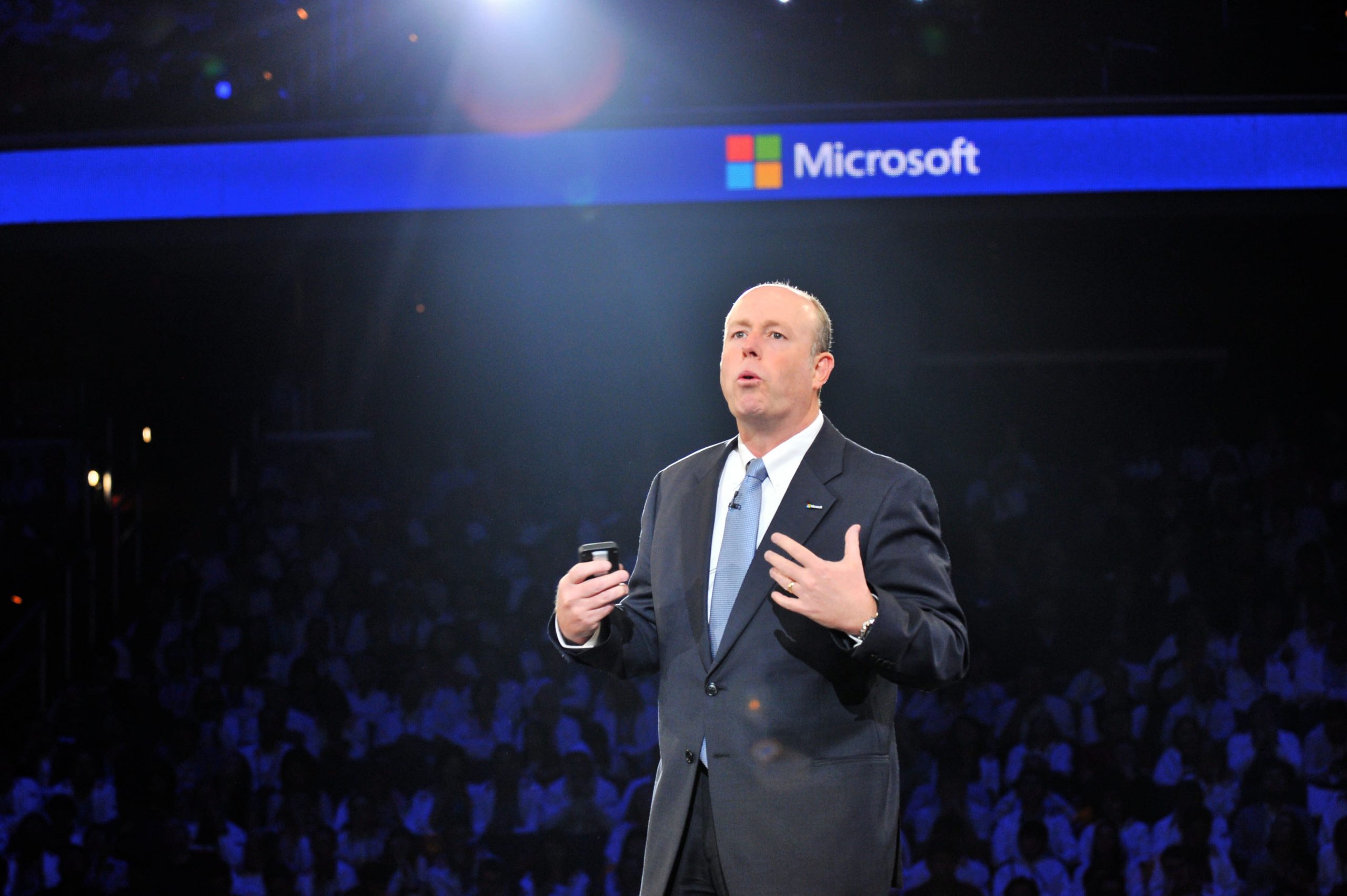
Kevin Turner, chief operating officer of Microsoft Corp., listens during the annual Milken Institute Global Conference in Beverly Hills, California, U.S., on Monday, May 2, 2016. The conference gathers attendees to explore solutions to today’s most pressing challenges in financial markets, industry sectors, health, government and education. Photographer: Patrick T. Fallon/Bloomberg via Getty ImagesBloomberg | Bloomberg | Getty ImagesKevin Turner has stepped down as CEO of crypto mining start-up Core Scientific, the company confirmed to CNBC Wednesday. He will continue on as an adviser to the company and remains a significant shareholder.Core Scientific’s co-founder and chairman, Mike Levitt, has stepped in as CEO.According to a Geekwire article, Turner joined Core Scientific in 2018. He spent nearly three years running the blockchain infrastructure and hosting provider, which operates crypto mines across the country. The company has more than 100 employees, according to its profile page on LinkedIn.Turner has championed the company’s mission to be 100% carbon-neutral, addressing a common criticism of cryptocurrency mining. Fifty-six percent of the power used at its facilities today is from renewable sources, and the balance is purchased via National Wind Renewable Energy Certificates out of North Dakota.Turner did not immediately reply to a request for comment.Turner is considered a big validation point within the crypto community, given his ten-year tenure as the chief operating officer at Microsoft. While there, he oversaw the company’s massive sales and operations organization, including the launch of key products like Office 365. Prior to that, he spent more than 20 years at Walmart, where he served as CEO of Sam’s Club, and chief information officer at Walmart.

Tesla, Coinbase lead drop in crypto-related stocks as bitcoin plunges

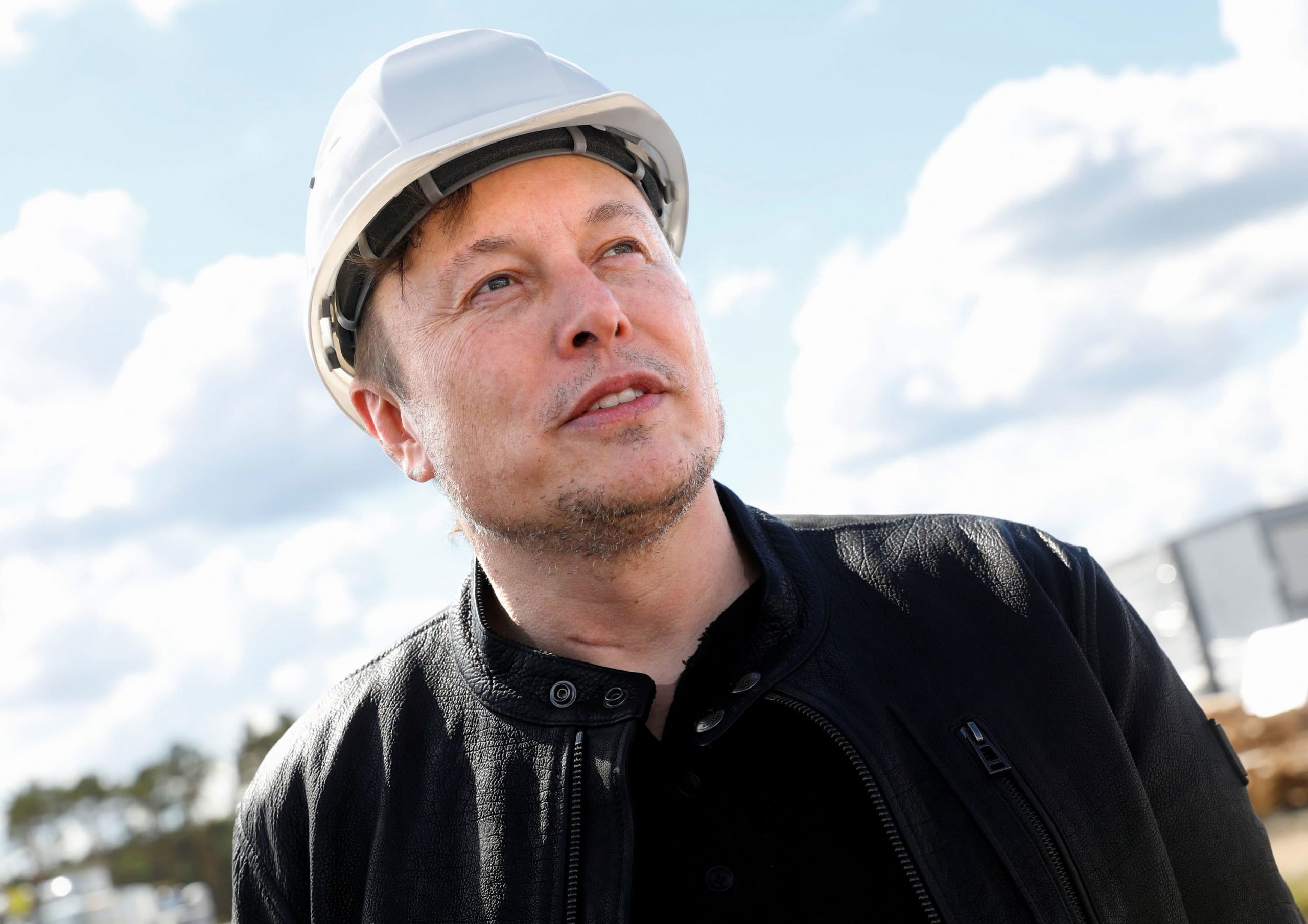
In this articleMSTRTSLACOINSpaceX founder and Tesla CEO Elon Musk looks on as he visits the construction site of Tesla’s gigafactory in Gruenheide, near Berlin, Germany, May 17, 2021.Michele Tantussi | ReutersCryptocurrency related stocks led by Tesla and Coinbase dropped on Wednesday as bitcoin plunged the equivalent of a bear market in just a single day.Bitcoin, the world’s largest digital token, fell to nearly $30,000 at one point Wednesday morning, according to Coin Metrics. The price was down roughly 24%. (Any drop greater than 20% in an asset or security is considered a bear market.)The move comes after China on Tuesday barred financial institutions from conducting crypto-related transactions. Separately, a JPMorgan report showed large institutional investors were dumping bitcoin in favor of gold.The pullback this month in bitcoin intensified a week ago after Tesla CEO Elon Musk appeared to change his tune a bit on crypto by saying the company would stop accepting bitcoin for payment because of environmental concerns surrounding crypto-mining.”You had a confluence of events…where you started breaking down the positivity in the price action, and now we’ve got a liquidation event,” Galaxy Digital CEO and Chairman Mike Novogratz told CNBC’s “Squawk Box.” “It’s not going to bounce right back. It’ll consolidate for a while.”Crypto-related stocks drop amid bitcoin’s slideTesla, still a large holder of bitcoin, fell roughly 4% Wednesday morning. Microstrategy, which made headlines by buying a significant amount of bitcoin for its corporate treasury, tanked by 10%.Coinbase, the newly public crypto exchange, dropped nearly 9%. Bitcoin’s price approached $65,000 five weeks ago before peaking, around the time of Coinbase’s public debut.Square and PayPal — which facilitate transactions in cryptocurrencies and have been big buyers — were also lower 4% and 1.5%, respectively, Wednesday morning.Nvidia ticked down 2% after trading began. The company manufactures chips used in crypto-mining, but reportedly trying to curb their use for that purpose.Enjoyed this article?For exclusive stock picks, investment ideas and CNBC global livestreamSign up for CNBC ProStart your free trial now

Peter Thiel is backing a rival to Elon Musk’s brain implant company

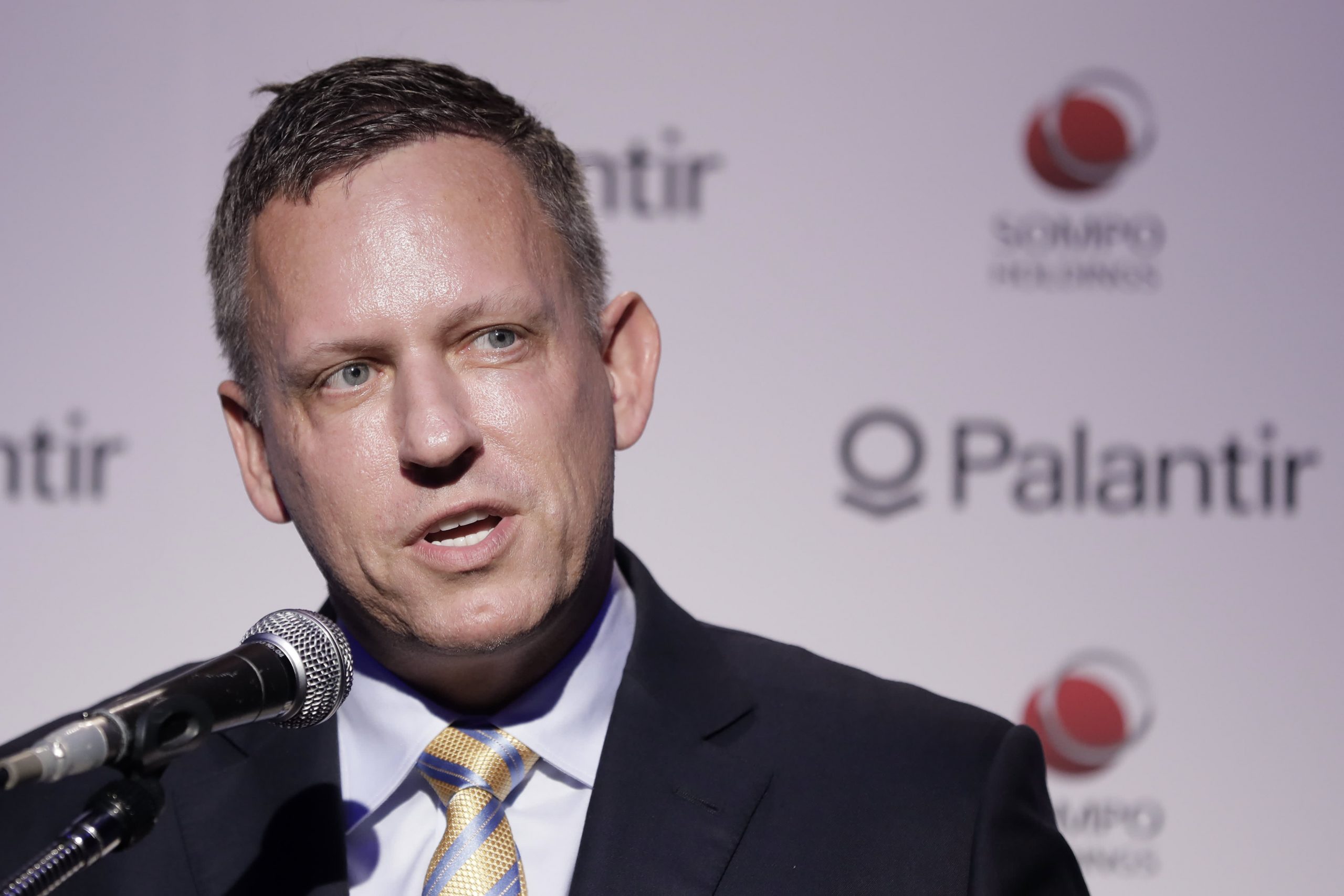
Peter Thiel, co-founder and chairman of Palantir Technologies Inc., speaks during a news conference in Tokyo, Japan, on Monday, Nov. 18, 2019.Kiyoshi Ota | Bloomberg | Getty ImagesPalantir co-founder and venture capitalist Peter Thiel has invested in a company that’s putting computer chips into people’s heads in a bid to improve them in some way.The early Facebook investor, who co-founded PayPal with Elon Musk in 1998, has backed the firm called Blackrock Neurotech in a $10 million financing round, taking an undisclosed amount of equity in the process.The funding round was confirmed to CNBC by Blackrock Neurotech but Thiel declined to comment.Founded in 2008 and headquartered in Salt Lake City, Utah, Blackrock has been selling hardware and software to the neuroscience research community for over a decade.”It’s a niche market but one we knew we could get revenue in, and we’ve been profitable since 2015,” Blackrock Neurotech CEO Marcus Gerhardt told CNBC, adding that the firm hasn’t taken any significant venture capital funding until now.”We got to a stage in 2020, where we couldn’t take all the contracts we were being offered so we realized we needed external capital to do that,” he added.Among other things, Blackrock Neurotech, which has 88 staff, is also working on its own brain-computer interface (BCI) devices.As a result, it’s competing with Neuralink, which was founded in 2016 in San Francisco by Musk and Max Hodak, who announced on May 1 that he recently left the company.Measuring just a few millimeters, BCIs are designed to enable humans to do things they couldn’t previously do; Blackrock and Neuralink are targeting their first products at people with limited movement and other disabilities.In April, Neuralink showed how its “Link” device could help a monkey play video games with its mind, and it’s targeting human trials on patients later this year. Musk also demonstrated the technology on a pig named Gertrude.Meanwhile, Blackrock Neurotech claims it is further along than Neuralink and that it has already put its devices into 28 patients across the U.S., China and Europe, as well as primates and rodents.”There are human patients using our implants and technology already to accomplish things directly with their minds that were unimaginable 10 years ago,” said Gerhardt, who met his electrical engineer co-founder Florian Solzbacher at boarding school in Wales three decades ago.Tetraplegic patients are using Blackrock’s brain-computer interfaces to control robotic limbs directly from and with the brain, the company said, while another who couldn’t talk as a result of amyotrophic lateral sclerosis (ALS) has been able to communicate via a voice synthesizer that’s controlled by his mind.How BCIs workThe miniature devices are implanted in the brain in areas where doctors want to record activity. If a patient struggles with hand movement, for example, then the device would be put into a part of the brain known as the motor or pre-motor cortex.Once implanted, electrodes that are attached to the device record neuron activity (i.e. what the person is thinking), amplify the signal of those thoughts, and send it to a computer.Software on the computer then tries to interpret what the brain was trying to do, and an algorithm turns that into commands that can control a robotic arm, move a cursor, or create a voice pattern, for example.”This is a complex problem, just like going to the moon was,” Solzbacher told CNBC, adding that it’s rewarding work.”One moment with one of those patients that have our implants gives so much energy and drive,” he said. “When you’re locked in your body, it’s very hard to not be very depressed and see very little point in life,” added Solzbacher, saying that he enjoys seeing “the fire in their eyes and the hope.”Blackrock vs. NeuralinkAndrew Jackson, professor of neural interfaces at Newcastle University, told CNBC that Neuralink’s device can record more brain cell activity than Blackrock’s BCIs because it has more “channels” or recording sites.Neuralink’s device records activity at multiple points along each of the flexible electrodes that are sewn into the brain by a surgical robot, Jackson said, while Blackrock’s BCIs only have a single recording site at the tip of each of their rigid silicon pronged electrodes.Another thing to note is that Blackrock’s patient trials have involved wires coming through the skin. Both Neuralink and Blackrock Neurotech are now working on wireless devices.Jackson said more is known about the overall performance of Blackrock’s technology than Neuralink’s, partly because the company has been around for longer.”The main challenge (for Blackrock Neurotech) is how to translate from a business that mainly supplies electrode arrays to scientists working with animals into a commercially viable product for humans,” he said.Patients who have had one of Blackrock’s devices installed have not had to pay as the procedures have all been part of clinical trials, which are often funded with millions of dollars.Blackrock Neurotech eventually wants its devices to be distributed in the same way that pacemakers and cochlear implants are. “We’re aiming for a commercially available device next year, at the latest,” said Gerhardt.Thiel’s right-hand man in EuropeOther Blackrock Neurotech investors include the founder of Apeiron Investment Group, Christian Angermayer, who has backed several other companies with Thiel including psychedelic drug development firm Atai. Indeed, Angermayer is the one who introduced Blackrock to Thiel.Angermayer said Blackrock Neurotech will enable patients with all kinds of severe physical and neurological impairments to regain function and reclaim their lives.”To enable people to walk, talk, see, hear and feel again is a massive market, as unfortunately 1.7% of the U.S. population, or around 5.4 million people in the U.S., are living with some form of paralysis,” he said.Angermayer added that this is just the beginning for brain-computer interfaces.”I am confident that in less than 20 years’ time, we will all have a BCI,” he said. “The ultimate potential of this technology is to be a fundamental input-output device used by all of us, unlocking truly astonishing use cases and abilities — such as superhuman memory augmentation or telepathic communication. It is impossible today to imagine what the future will look like, but I believe Blackrock will be the one to take us there.”Elsewhere, scientists at the University of Melbourne have also had some success with brain-computer interfaces.A study out of the University of Melbourne in October showed two humans controlling a computer through thought using a stentrode (a small stent-mounted electrode array) developed by Australian biotech firm Synchron without having to shave the skull and drill through it. The stentrode brain-computer interface allowed two people with ALS to type, text, email, do online banking and shop online through thought.

Apple's new iPad Pro is super powerful and has an amazing screen, but the iPad Air is still best for most people

In this articleM12-DE789-HKApple’s 2021 12.9-inch iPad ProTodd Haselton | CNBCI’ve been testing Apple’s new 12.9-inch iPad Pro for the past week or so.It might look similar to the last two versions, but it’s a really big upgrade that caters most to power users who use an iPad as a portable adjunct to their Mac for tasks like capturing video in the field for later editing. It has a number of features you won’t get in the iPad Air, but I still think the Air — which is several hundred dollars cheaper — is the best tablet computer for most people.Apple’s iPads, like its iPhones and Macs, have been crushing it recently. The company reported nearly 79% year-over-year revenue growth in its last quarter, generating $7.8 billion from iPad sales alone. Some of that growth was propelled by the pandemic, but I think that trend could continue as people find ongoing use for the iPad’s portability as parts of the world begin to reopen. For the first time, the 2021 iPad Pros are equipped with the same M1 chip that also powers the new iMac desktop and the refreshed MacBook Air, MacBook Pro and Mac Mini that were released last year. It paves the way for a future where the iPad and the Mac share more functionality, although Apple has insisted that it will keep the product lines separate for serving different uses — and as long as both are selling well, there’s no real incentive for Apple to combine them.Here’s what you need to know about Apple’s new 12.9-inch iPad Pro.What’s goodApple’s 2021 12.9-inch iPad ProTodd Haselton | CNBCThe M1 processor is fast, but you probably won’t notice that speed unless you’re doing some pretty intensive tasks like video editing. Normal tasks, like browsing the web and just opening apps, feels pretty much the same as my 2018 iPad Pro: smooth and quick.The benefits of M1 can be seen in other places: Photo and video editing is quicker, for example. You can edit multiple streams of video at the same time in some apps, like LumaFusion.Some new games will take advantage of added graphics power, like the recent release of the Divinity: Original Sin 2 for iPad, which lets two players play at a smoother frame rate in split-screen on an M1 iPad than on other iPad models it supports. I couldn’t see much of a difference between the game running on the new iPad Pro and my 2018 model, however.Apple’s 2021 12.9-inch iPad ProTodd Haselton | CNBCThere are other really cool benefits to the chip. Apple added a new wide-angle camera to the front of both of the new iPad Pros. It enables a feature called Center Stage, which follows you around as you’re talking on FaceTime, WebEx or any other video app that decides to use it. It’s awesome. I called my wife once, and my editor another time, and the camera zoomed out or in and followed me as I walked back and forth around the room. It’s similar to the functionality built into competing products like the Facebook Portal.Apple’s 2021 12.9-inch iPad ProTodd Haselton | CNBCSpeaking of cameras, you also get two cameras on the back, including an ultra-wide angle lens that’s fun for capturing more in a scene. There’s also the lidar camera we saw last year, which helps for augmented reality experiences. You can just start dropping digital objects on top of the real world in apps that support augmented reality, instead of waiting for the iPad to scan the room.Apple’s 2021 12.9-inch iPad ProTodd Haselton | CNBCI don’t use lidar or AR very much, but it’s really useful to have if you’re doing a home project and want to use it to measure, see how new furniture might fit in a room, and so on. Apps like Procreate let industrial designers create 3D models and then drop digital models in the real world to see how they might look in person, too.I said this last year, and I’ll say it again: The $349 Magic Keyboard makes a huge difference for people who want to work from an iPad. It adds a great trackpad, a really good keyboard that’s easy to type on, and turns the iPad into more of a laptop-hybrid. I still use a MacBook Air for most things, since I’m more productive switching between apps on macOS, but the Magic Keyboard is worth buying if you just need a tablet that serves as an occasional laptop. I just really like the versatility: I can go from working on this review outside in the backyard to lounging on the couch at night reading the news on a big screen, the latter of which isn’t as comfortable with a laptop.Apple’s 2021 12.9-inch iPad ProTodd Haselton | CNBCThe 12.9-inch iPad Pro has a big feature the regular new 11-inch model doesn’t have: a “Liquid Retina XDR” display, which is fancy branding for using mini LEDs. This technology enables a much brighter screen for certain things, like watching HDR movies. I also found it looked brighter outside in direct sunlight than my 2018 11-inch iPad Pro.Using the iPad Pro outside.Todd Haselton | CNBCThe brightness of the 11-inch iPad Pro caps out at 600 nits. That’s the same for the 12.9-inch iPad Pro in most apps, but it has peak full screen brightness for things like HDR video of 1,000 nits, and individual mini LEDs can get as bright as 1,600 nits. That’s a little in the weeds, but it means brighter areas in a video or photo, or the difference between say a really bright sun in deep black space.By comparison, the new iMac has 500 nits of brightness, so this is a feature professional video and photo editors will appreciate on a portable device.Apple’s 2021 12.9-inch iPad ProTodd Haselton | CNBCThe designs-for-pros trend continues to the charging port, which now supports Thunderbolt / USB 4 for faster data transfers if you’re dumping a bunch of movies or photos from a camera, for example. It supports up to 6K external displays if you want to connect it to a monitor and up to 10 Gbps Ethernet connections if you want to hardwire into your router for faster internet. Again, most folks might not use this — I don’t — but it’s there for the people who need it.It supports the $99 Apple Pencil, which I use every now and then to jot down notes or write to search in apps (which works surprisingly well). Power users will find it useful for finely tuning or cropping parts of picture or video, especially when poking a finger at the screen isn’t precise and when you want to use it as a tablet instead of a laptop.Apple’s 2021 12.9-inch iPad ProTodd Haselton | CNBCThe speakers haven’t changed, but they’re still really good, offering surround sound from both sides of the iPad Pro.The new iPad Pro supports 5G if you pay for the cellular model, about a $200 upgrade. 5G isn’t a huge deal yet, but it’s starting to become more prevalent around the U.S. and it’s great future-proofing for when you can download and upload movies, videos, files and more much faster. I didn’t have a great Verizon 5G signal at home, though, so I mostly just stuck with Wi-Fi, but I’m excited to use it for streaming Xbox games anywhere there’s a good signal, which I loved playing on the iPad over Wi-Fi.The big screen is fun for gaming, too.Todd Haselton | CNBCThe battery easily lasted me through a full day, but that could extend to several days on lighter usage or under a day if you’re working on a 5G cellular connection with max brightness. What’s badApple’s 2021 12.9-inch iPad ProTodd Haselton | CNBCIt’s not cheap.The 12.9-inch iPad Pro, without a keyboard or cellular connectivity, starts at $1,099. A comparable MacBook Air starts at $999. Add in 5G and the Magic Keyboard keyboard and you’re going to spend $1,648 — and that’s for the minimum 128GB of storage. Boost the storage and you could easily spend more than $2,000. I totally see the portability benefits and know there are different use cases for the MacBook Air and an iPad Pro. But it’s one reason why I think the iPad Air or even the regular iPad is a better buy for people who don’t really need the awesome display or the added processing power you get with a Pro. It’s a top-of-the-line machine and it’s priced accordingly.I think there are a few ways Apple could make this iPad even better. You can add an external display, for example, but you can’t really use it the way you’d use an external screen with a Mac — for instance, by dragging and dropping apps to it. You can just mirror the iPad screen or use some added tools and features for workflows in apps that support the additional display. This seems to be a limitation of iPadOS since we know the M1 Macs support external monitors with plenty of apps just fine. Apple’s 2021 12.9-inch iPad ProTodd Haselton | CNBCAnd speaking of macOS, as I said in my recent iMac review, I wish there was some sort of convergence between the two. There are times, like with an external monitor attached, that I wish I could just use macOS and have various windows open all over the place for much faster multitasking with the trackpad and keyboard.Lastly, this is just a personal preference, but I generally like the smaller 11-inch size most of the time. It’s just easier to hold when you’re lounging in bed compared with the 12.9-inch. On the other hand, with a keyboard attached, I like the 12.9-inch better. So, my advice is to try both sizes if you’re not necessarily buying the 12.9-inch model for the brighter screen.Should you buy it?Editing some quick video on the 2021 12.9-inch iPad Pro.Todd Haselton | CNBCThe iPad Pro continues the iPad’s decade-long evolution from a casual computing device mostly for consuming content around the house, to a full-fledged computer — only with a touchscreen instead of a built-in keyboard and touchpad like the Mac lineup, and an operating system that’s built for that difference.The people who need the iPad Pro are professional video editors, photographers and other people who want to do heavy computing tasks in the field.It’s also fine for people with deep wallets who just want the best iPad. If money wasn’t a question, this is the iPad I’d replace my 2018 iPad Pro with, just because I love the bright screen and the front camera that tracks me for video chats. (I’d just have to deal with holding the heavier model over my head in bed.)But most people are going to be totally happy with the iPad Air. It gives you a similar design to the 11-inch iPad Pro. It still has a nice screen, support for things like the Apple Pencil, good cameras, and works with the Magic Keyboard if you want it. Subscribe to CNBC on YouTube.