TokyoTokyo Mon - Fri 10:00-18:00 +81 (366) 701-751
info@mountequitygroup.com

Blog

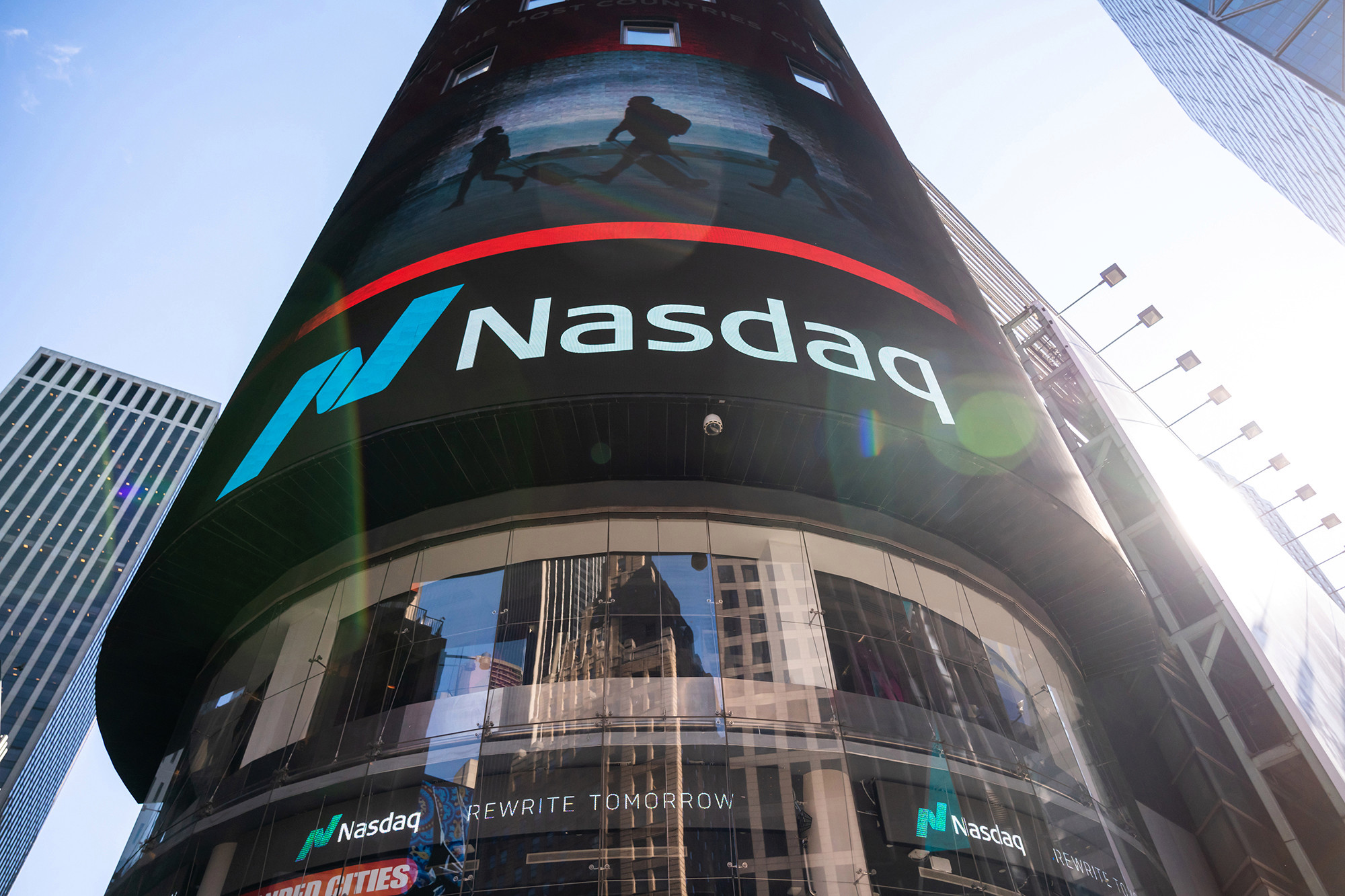
Nasdaq, stock exchange behind diversity push, blasted for own failures

Nasdaq has been beating the drum for diversity across corporate America, but the makeup of its executive ranks looks woefully out of step with that high-profile push.

Late last year, the tech-heavy stock exchange startled Wall Street by saying it would de-list companies that didn’t achieve board diversity requirements. That means naming at least two directors who are either female, a minority, or LGBTQ+.

It has since softened its stance, saying it is merely encouraging and not enforcing the guidelines. Now, some insiders want to know, if that’s because Nasdaq is struggling too.

Of Nasdaq’s roughly 40 executives and senior leaders, only senior vice president of marketing Branden Jones is African-American, based on the company leadership section of the website. And now, the longtime executive is departing to run marketing at BlackRock’s risk management division Aladdin, The Post has learned.

Nasdaq didn’t immediately return a request for comment but the move is leading some to ask if Nasdaq Chief Executive Adena Friedman’s pledge to “champion inclusive growth and prosperity to power stronger economies” is just the latest example — albeit a particularly flagrant one — of corporate wokeism that’s all talk and no action.

Nasdaq, the stock exchange behind a controversial diversity push, is in need of diversity itself, critics say.AP

“There’s an element of hypocrisy as Nasdaq is criticizing other others and holding them accountable,” says Stephanie Creary, an assistant professor Wharton Business School who lectures on identity and diversity issues. “Who is holding Nasdaq accountable?”

While honchos at many Fortune 500 companies, Nasdaq included, have highlighted the need for diverse boards, they’ve often failed to diversify their executive ranks, Creary notes. That’s partly because it’s a lot easier to appoint two directors to a board than to develop diverse talent from the ground up.

The fact that Nasdaq is losing an African-American executive isn’t necessarily a damning datapoint when it comes to gauging the company’s commitment, says Sandra Sucher, a Harvard Business School professor who is author of the upcoming book “The Power of Trust: How Companies Build It, Lose It, Regain It.”

Nevertheless, “one out of 40 is still the wrong number,” Sucher says. “Whatever they’re doing, it doesn’t look like they’re doing enough to live up to their comments.”

Got a tip for On the Money? Email us at biztips@nypost.com.
Google Surpasses Amazon To Become 3rd Most Valuable US Company

(RTTNews) – Alphabet Inc. (GOOGL, GOOG), the parent company of search giant Google, has surpassed retail giant Amazon Inc. (AMZN) on a market-capitalization basis.

Last Friday, Amazon closed at $1.616 trillion at the bell, Google’s market capitalization was $1.622 trillion. This makes Alphabet the third most valuable company in the US market after Apple Inc. (AAPL) and Microsoft Corp. (MSFT). While Amazon is $1.613 trillion at the bell, Google’s market capitalization is $1.632 trillion as of Monday.

Apple leads the way with $2.101 trillion, followed by Microsoft’s at $1.912 trillion, with the Windows maker set to become the second US company after Apple to breach the $2-trillion mark.

This is the first time Alphabet has managed to surpass Amazon on a market cap basis in 16 months.

Created in 2015, Alphabet is essentially a holding company for Google, which generates most of its revenue and profit. Although Google has invested in different areas of technology, including mobile phones, artificial intelligence, self-driving cars, and health technology, its key money-generating business continues to be online advertising, driven by its dominance in the search industry.

For the recent first quarter, the company reported revenue growth of 34 percent to $55.31 billion, of which advertising revenues were $44.68 billion. Google has been the market leader in online advertising for well over a decade.

Moving ahead, Alphabet CEO Sundar Pichai said that the company will continue to focus on search engines.

“[For] me, our ultimate moonshot is still Search. I know people would be surprised to hear that 20 years in. Search works very well, but because I’m working on Search, I see all the limitations. Even today, when people type in a complex query, we’re looking at keywords trying to match it. We still have a long way to go to actually understand what the user’s intent is, the context, where they are coming from, and giving the best answer. So that is still the moonshot,” Pichai told Yahoo Finance in an exclusive interview.

Mark Zuckerberg takes swipe at Apple over developer fees

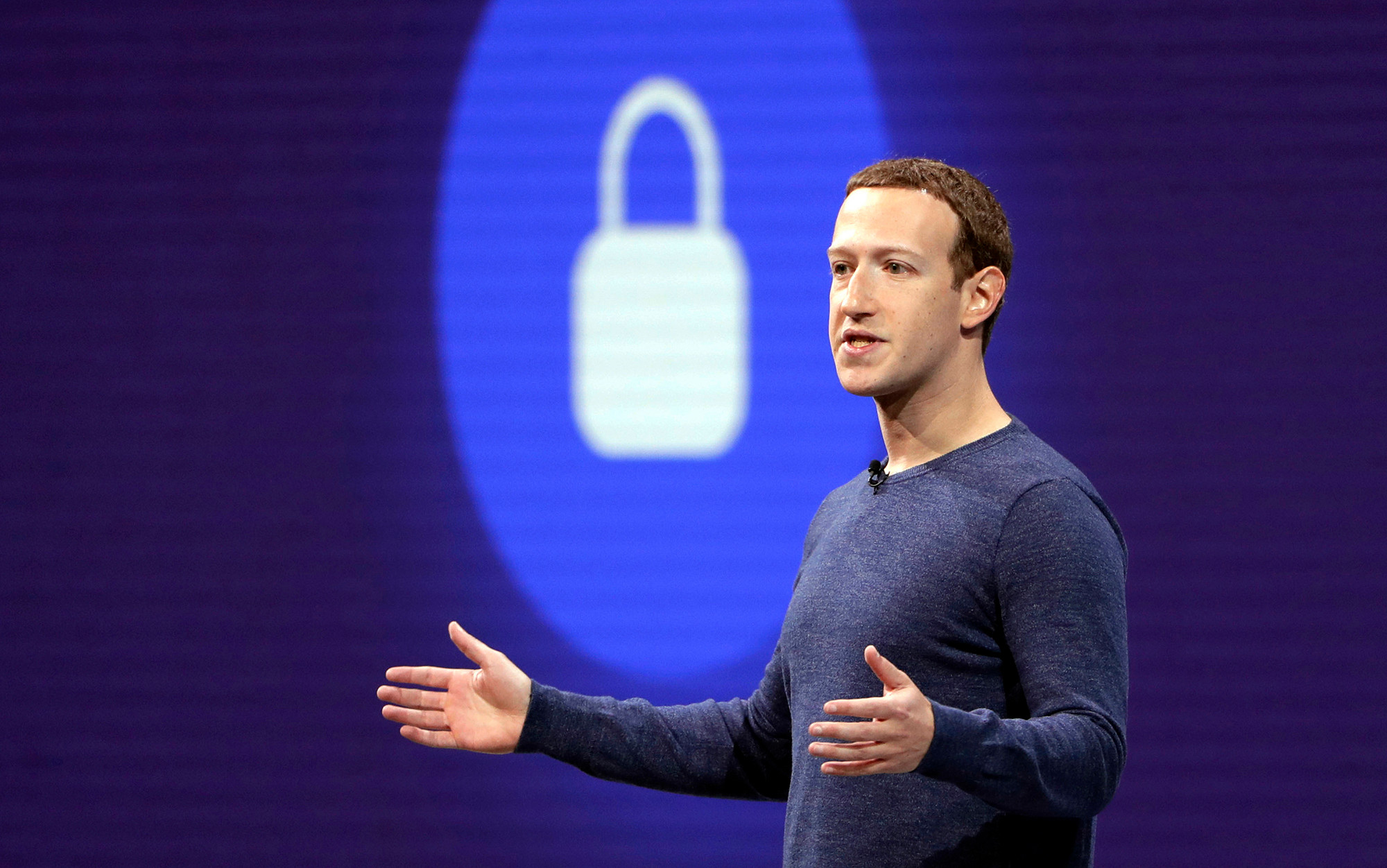
Facebook founder Mark Zuckerberg took a competitive swipe at Apple on Monday over the fees the iPhone maker charges companies to sell wares using its App Store.

In a blog post that hit moments before Apple CEO Tim Cook took the stage at his company’s high-stakes developers’ conference, Zuckerberg told content creators that it won’t charge them until at least 2023 for using Facebook to distribute their work, promote events or sell subscriptions.  

Zuckerberg even singled-out Apple by name.

“When we do introduce a revenue share, it will be less than the 30 percent that Apple and others take,” Zuckerberg said. 

He said the decision to not charge fees would “help more creators make a living on our platforms.” 

The controversy over Apple’s fees hit a boiling point last year when the iPhone maker booted “Fornite” creator Epic Games from its App Store for launching an in-app payment system that enabled the video game company to circumvent Apple’s stiff 30-percent fees for in-app purchases.

“When we do introduce a revenue share, it will be less than the 30 percent that Apple and others take,” Zuckerberg said. NurPhoto via Getty Images

Fortnite ended up suing Apple in a move that was widely applauded by a number of large tech companies, including Tinder owner Match Group and streaming music giant Spotify.

Zuckerberg’s shot is just the latest in a long-running feud between the two tech giant, which culminated earlier this year in Apple introducing a privacy update that stands to severely hamper Facebook’s advertising business.

Facebook has claimed the move could hurt small businesses’ ability to effectively target digital ads that boost their revenues. It even took out a full-page newspaper ad to oppose the move under the headline, “We’re standing up to Apple for small businesses everywhere.”

Zuckerberg’s dig came about an hour before Cook took the stage at Apple’s annual WWDC developers’ conference, where Cook sought to shift attention away from the Fortnite fight and toward new updates to iOS features including FaceTime, iCloud, iMessage and Siri. 

Apple is currently embroiled in a legal battle with Fortnite creator Epic Games over the fees Apple charges app creators.Getty Images

The all-virtual presentation highlighted more privacy options for paid iCloud accounts and a “Find My” service that helps find errant AirPods. There were no major product announcements.

Forrester analyst Julie Ask said the improvements Apple showed off, like the “universal control,” play to Apple’s strengths in blending its products and services.

“The news today was nothing ‘new new,’ like holy cow how did they make that happen,” she told the Associated Press. “But each of us picks up our phone 100 or 200 times a day, and they’re making 100 little moments a day better, more seamless, and easier.”

A decision in the Epic case, which recently revealed that Apple made at least $100 million off commissions from “Fortnite” during the two-and-a-half years the game was available on the App Store, is expected in the coming weeks. 

While Zuckerberg only called out Apple by name, Google has also come under fire for similarly high app store fees. Following criticism from app developers like Spotify and Microsoft, Google said in March that it would cut its fee from 30 to 15 percent for the first $1 million of revenue a developer earns each year.

Op-ed: Quality TV news could be a casualty of the streaming wars

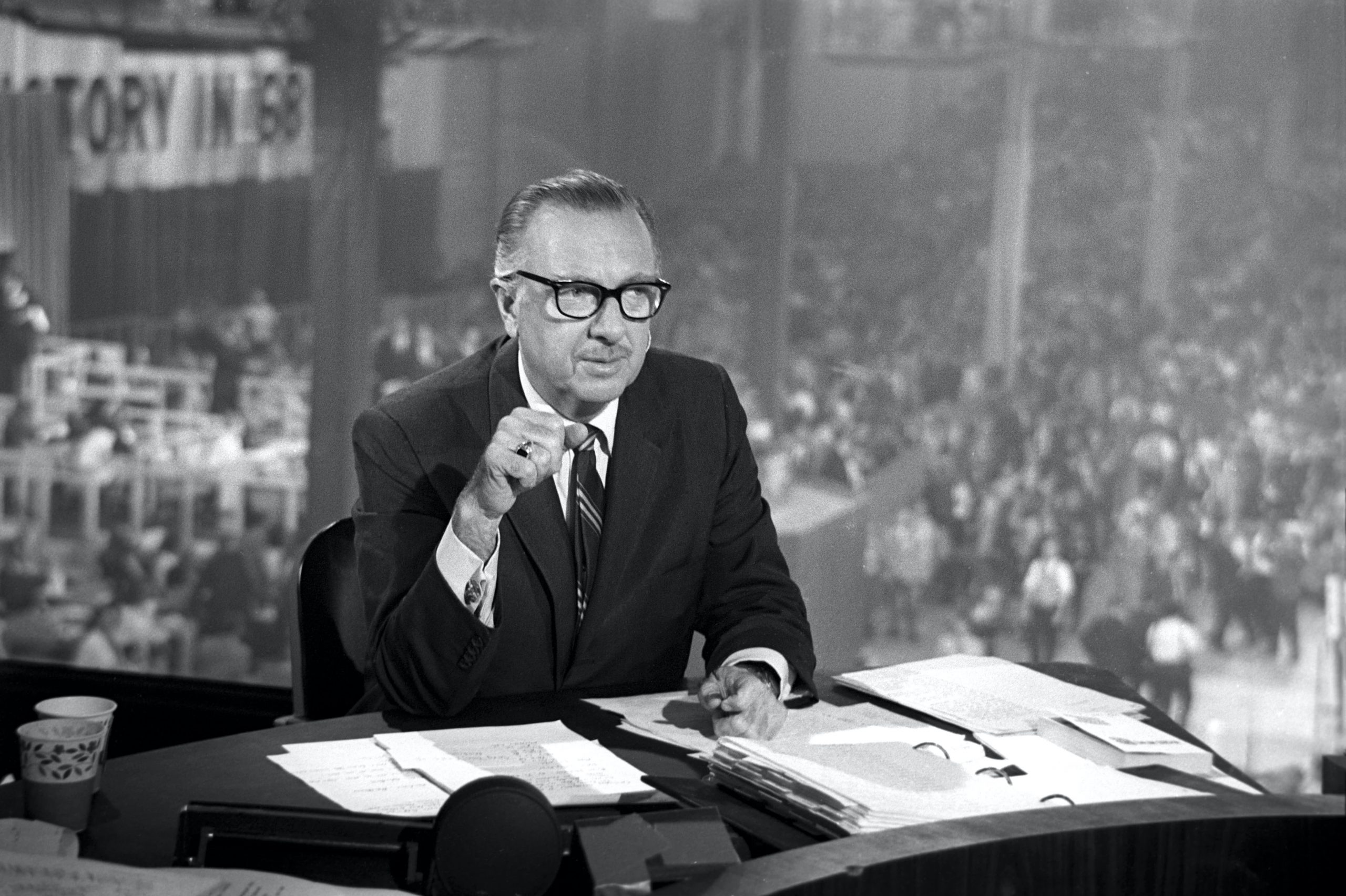
In this articleCMCSAWalter Cronkite broadcasting for CBS at the GOP Convention in Miami Beach Convention Center in Miami Beach, Florida, 1968.Ben Martin | Archive Photos | Getty ImagesThere has been an enormous amount of focus in the media world over the last 18 months about how TV and movie entertainment are moving to streaming services. While Netflix has become a staple of television service in some 70 million American households, the addition of Disney+, Hulu, HBO Max, Peacock, Apple TV+, Paramount+, and Amazon Prime has created a veritable buffet of entertainment choice for consumers. The recent merger announcement of Discovery with Time Warner, bringing together Discovery+ with HBO Max, has further underscored that the future of TV lies in streaming entertainment services.Sports programming has gotten into the game. ESPN, which has been slow out of the gates into streaming, has recently signed renewal deals for substantial amounts of professional sports programming that give it flexibility to air those offerings on the ESPN+ streaming service. In addition, Amazon recently agreed to pay the NFL $10 billion just to air Thursday Night Football on its streaming service over the next ten years.As entertainment and sports programming migrate to the streaming world, the cable and satellite bundles of channels are losing subscribers at an accelerating rate with viewers cutting the cord — or in the case of younger viewers, never subscribing to cable or satellite to begin with. So, while the streaming wars heat up, and legacy television channels lose both viewing audience and subscribers, no one is really focused on what this means for television news.To understand the impending crisis for television news, one needs to understand the economics of the current television system. Television channels today not only derive advertising revenue from attracting an audience, but crucially important to their economics are the fees paid by cable and satellite operators for carrying those channels. For instance, CNN, CNBC, MSNBC, and Fox News get paid very substantial fees across every cable and satellite household in the United States of which today. Today, that means subscriber fees are paid to news channels covering over 75 million, down from close to 100 million at one point not long ago. The news channels get paid across every single one of those households even though only a small minority of households watch each of those channels. That creates a very substantial revenue base supporting the big TV news franchises — regardless of how many viewers the channel actually has, it is getting paid across all cable and satellite homes.Similarly, local television stations, which are the backbone of local TV news are paid what are called “retransmission consent fees” from cable and satellite operators, which are very substantial payments for the right to carry those stations. Those stations also are paid across all the cable and satellite homes in a given local market, regardless of what percentage of those homes actually watch any given channel. Because of this unique payment system for legacy broadcast and cable channels, many consider this payment system to be the best possible economic model the television industry could have.As we move away from consumers getting a bundle of cable or channels to an environment where consumers take a few streaming services that they pay directly for, the whole concept of collecting money across all homes goes away.Entertainment content is making this transition, even though many industry analysts doubt that all entertainment streaming services will make it. Sports programming is beginning to make this transition as well. But there is a huge question mark about how news will be supported in this new streaming world. Any one news channel transitioning to a live streaming service would have to charge a very substantial fee to each home to make up for the cable and satellite carriage it is losing. News viewers may be the last ones to abandon the pay-TV bundle, but inevitably as the reach of that bundle shrinks, those fees will shrink along with it.Complicating the picture further, there is substantial additional competition for television news, with Roku and Amazon both providing ample streaming news services. They do not have the star power or depth of content of the better-known TV brands, but do provide a reasonable news menu for those who are not political junkies or news channel brand loyalists.TV news began as public service programming that broadcasters had to carry as a condition of getting a license from the FCC. The television news business eventually turned profitable, but it will soon face an existential crisis as to how to remain so.There are some possibilities for preserving the economics of news channels and local news, beyond sending each channel out on its own to try to get sufficient direct-to-consumer streaming revenue from loyal viewers.One possibility is to create a large bundle of national and local news, made available through a single packager. This is what Apple is doing with magazines and newspapers, offering scores of popular magazines and newspapers digitally for a monthly fee at $9.99 with Apple News+, but so far it has been underwhelming in terms of its adoption. And traditional media companies are going to be extremely wary of enhancing Apple’s power in the media marketplace as they increasingly compete in streaming entertainment.Another possibility would be to find a more Switzerland-like player to act as a neutral distributor. News channels and stations are all in this predicament together — if they can’t get subscription fees from all cable and satellite households, they’d at least like to get fees from all news households, even those that don’t represent loyal viewership of their particular brand.Certain companies may be able to go it alone better than others. Comcast and NBCUniversal have a broad array of assets including CNBC, the leading business news channel; MSNBC, the leading source of progressive-oriented political news; Sky News, the leading international news channel; NBC News Now, a streaming service; news offerings from digital streaming service Peacock; and a multitude of local stations and regional news channels. Providing a separate news bundle to households who otherwise subscribe to Peacock could drive broad uptake of news content while also driving enhanced distribution of the broader entertainment streaming service.Fox is putting a lot of shoulder behind Fox Nation, a subscription news channel intended to satisfy the insatiable appetite among that news audience for right-wing, often extreme commentary. There may be a model here for Fox, but my guess is it is not a sufficient one to make up for the substantial financial decline the Fox News Channel will suffer with significantly diminished cable/satellite subscriber fee support.The center of any democracy is a well-informed citizenry and a robust marketplace of ideas where quality news content can survive and thrive. Right now, there is no obvious answer to saving TV news as pay-TV subscribership declines, but let’s not allow quality television news to become collateral damage in the entertainment streaming wars.Tom Rogers is Executive Chairman of Engine Media, Inc. He was the first President of NBC Cable.Disclosure: Comcast-owned NBCUniversal is the parent company of CNBC.

Weyco Acquires Forsake Brand

MILWAUKEE, June 07, 2021 (GLOBE NEWSWIRE) — Weyco Group, Inc. (NASDAQ: WEYS) (the “Company”) today announced that it acquired substantially all of the operating assets and certain liabilities of Forsake, Inc. (“Forsake”), a distributor of outdoor footwear. The principal assets acquired were inventory, accounts receivable, and intellectual property, including the Forsake brand name. The aggregate purchase price was approximately $2.5 million, plus contingent payments paid annually over a period of five years, depending on Forsake achieving certain performance measures. At the acquisition date, the Company’s preliminary estimate of the discounted fair value of the contingent payments is approximately $1.75 million in total. The transaction was funded with the Company’s available cash.Forsake will join BOGS in forming Weyco Group’s outdoor division, headquartered in Portland, Oregon. Specializing in modern outdoor footwear, Forsake serves a quickly growing segment of the market that isn’t directly served by an existing Weyco brand. Forsake’s hiking shoes and sneakerboots with all-weather protection, rugged construction and versatile styling have captured a segment of a growing number of outdoor enthusiasts that demand something other than traditional hiking boots. Forsake’s co-founders, Jake Anderson and Sam Barstow, have joined the Weyco team and will continue to lead the Forsake business going forward.“We are excited to add a new outdoor footwear brand to our portfolio here at Weyco,” stated Thomas W. Florsheim, Jr., the Company’s Chairman and CEO. “The acquisition of Forsake is a great strategic fit for Weyco as we continue to build our presence in the outdoor footwear market around the globe.”“We are pleased to join the Weyco family and believe its infrastructure, including its design, sourcing, distribution, and e-commerce capabilities, will accelerate our business to new heights,” stated Jake Anderson, co-founder of Forsake.About Weyco GroupWeyco Group, Inc., designs and markets quality and innovative footwear principally for men, but also for women and children, under a portfolio of well-recognized brand names including: Florsheim, Nunn Bush, Stacy Adams, BOGS, and Rafters. The Company’s products can be found in leading footwear, department, and specialty stores, as well as on e-commerce websites worldwide. Weyco Group also operates Florsheim stores in the United States and Australia, as well as in a variety of international markets.

About ForsakeForsake, Inc. is known for reinvigorating the sneakerboot category, creating footwear that can be used year-round for any activity, no matter the elements. The rugged performance qualities of a boot meet a stylish aesthetic, and tout an amazing grip and tread, waterproofness, breathability and more. Its Peak-to-Pavement® philosophy combines all-weather protection, rugged construction, and versatile styling to deliver footwear that’s prepared for whatever adventures await outside your door. Forsake is Climate Neutral Certified. Forsake products are sold in outdoor specialty stores as well as on e-commerce websites throughout North America.Forward-Looking StatementsThis press release contains certain forward-looking statements within the meaning of the “safe harbor” provisions of the Private Securities Litigation Reform Act of 1995. Various factors could cause the results of Weyco Group to be materially different from any future results expressed or implied by such forward-looking statements. Such factors include, but are not limited to, the Company’s ability to: (i) successfully integrate and operate acquired businesses and product lines; (ii) successfully market and sell its products in a highly competitive industry and in view of changing consumer trends, consumer acceptance of products and other factors affecting retail market conditions; (iii) procure its products from independent manufacturers; and (iv) other factors, including those detailed from time to time in Weyco Group’s filings made with the SEC. Weyco Group undertakes no obligation to update publicly any forward-looking statements, whether as a result of new information, future events, or otherwise.For more information, contact:John WittkowskeSenior Vice President and Chief Financial Officer414-908-1880

Marc Benioff reveals investment in SpaceX, but says he'd need 'a couple of Ativans' to leave Earth

A SpaceX Falcon 9 rocket with a Dragon 2 spacecraft carrying supplies to the International Space Station lifts off from pad 39A at the Kennedy Space Center. This is the 22nd resupply mission for NASA by SpaceX.Paul Hennessy | LightRocket | Getty ImagesSalesforce CEO Marc Benioff said on Monday that he’s bullish on space, noting that he’s an investor in Elon Musk’s SpaceX along with start-ups Astra, Swarm Technologies, and Planet Labs.But don’t expect Benioff to join Jeff Bezos on a space trip anytime soon. Bezos, who is stepping aside as Amazon CEO in July, said on Monday that he’ll fly on the first passenger flight of his space company Blue Origin, which is expected to launch on July 20.In an interview that aired on CNBC’s “Closing Bell,” Benioff commended Bezos on the announcement.”I think it’s very exciting that he’s willing to basically say, ‘If you want to use my product, I will use it first,'” Benioff said. “And I think that that’s 100% the right move.” But he’s not sure he’s personally interested in taking a similar trip.”I think I might have to take a couple of Ativans before I climb in there,” Benioff said. (Ativan is an anti-anxiety medication.)One of Benioff’s space investments, Astra, came out of stealth early last year. Astra said in February that it’s going public through a special purpose acquisition company (SPAC) that values the business at $2.1 billion. On Monday, the company announced the acquisition of electric propulsion maker Apollo Fusion.While Benioff’s investment in Astra has been reported, his involvements in the the other three companies he named have not been disclosed, and none are included among his 122 deals listed by PitchBook.Most notable is SpaceX, the private space company that was valued by investors earlier this year at $74 billion. Benioff has commended SpaceX in the past, including a retweet of Musk in May 2020, in which Benioff said “visionary leadership.” That was just as SpaceX was preparing to launch astronauts into space.Benioff also said he’s an investor Planet Labs, whose satellite technology takes images from space, and Swarm, which aims to provide internet connectivity from satellites.”I actually think that space is a huge category that we should invest in,” Benioff said, noting that it’s an area where Time Ventures is active. “I think those companies are amazing in the work they’re doing. and the entrepreneurs.”— CNBC’s Michael Sheetz contributed to this report.WATCH: Marc Benioff says company is about to surpass SAP

Android and Windows users will be allowed to join Apple FaceTime calls this fall

In this articleAAPLFaceTime on AndroidAppleDuring its developer event on Monday, Apple announced that anyone — including Android and Windows users — will soon be able to join FaceTime calls.The feature, which will roll out this fall, could help Apple keep customers from defecting to competing video chat apps such as Zoom or Microsoft Teams when they need to video chat with friends and colleagues who aren’t on an Apple device.Apple isn’t launching an Android FaceTime app, though. Instead, it will let you schedule and share FaceTime calls using a unique web link. Once someone receives that link, whether on Windows or Android, they’ll be able to jump in and participate in the call. Apple said it’s still end-to-end encrypted so it’s still private.People who want to join a FaceTime call just need to be running the latest version of Google’s Chrome or Microsoft’s Edge web browser, according to Apple’s website.People will still need an Apple device to start the call, or to partake in some of the new features Apple announced for FaceTime on Monday, such as watching a movie together or listening to music, which may require specific Apple apps depending on what you’re trying to do.Subscribe to CNBC on YouTube. 

Over 60% of workers returning to Manhattan, but safety a concern

More than 60 percent of workers are expected to return to Manhattan offices in September as the city recovers from the COVID-19 pandemic — but many have expressed concern about transit safety, a survey of CEOs found.

About 12 percent of Manhattan employees had already returned to the workplace in May — and that number is expected to hit 29 percent by the end of July, the Partnership for New York City’s poll of 180 top companies found.

By September, 62 percent of workers will likely be back in their Manhattan offices, the CEOs said in the report, released Monday.

The poll shows that employers are much more optimistic about returning to normal as rising vaccination rates have dramatically curbed COVID-19 infections.

In March, CEOs expected only 45 percent of workers to return to offices by the end of September following stay-at-home orders to prevent the spread of COVID.

But there’s another dark cloud hovering over the city, as transit crime has emerged as a major concern for the workforce.

A significant 84 percent of corporate executives report “that employee perceptions of mass transit are still an obstacle to returning to the office due largely to concerns about personal safety (cleanliness of the system is less of a concern than in earlier surveys),” the survey said.

Many workers have expressed concern about transit safety.Getty Images

The worries over public safety come amid a spate of gun-related murders as well as subway crime.

Employers in most industries increased their expectations of office occupancy.

Financial services employers expect 61% of employees to be back in the office by the end of September, up from the previous estimate of 50%.

But tech companies expect only 40 percent of workers to return by the end of September, down from the 51% in the Partnership’s March survey.

The real estate industry has been the most aggressive in bringing employees back to the office — 70% of real estate workers have returned to their offices, by far the highest rate of any industry.

Real estate firms expect nearly all of their workers to return to offices by the end of September.

The city’s largest employers have brought back workers to the office at a slower rate.

Sixty-two percent of workers will likely be back in their NYC offices by September.Getty Images

Only 8 percent of workers have returned to the office at companies with over 5,000 employees, compared to nearly 25 percent for firms with fewer than 500 employees.

The vast majority of employers — 71 percent — plan to adopt a rotating or “hybrid” office schedule. Most workers will be required to be in the office three days per week.

The survey asked about COVID safety policies. Only 27 of 180 companies said they will require that all employees be vaccinated for COVID-19. Others said they will actively encourage employees to get vaccinated.

But nearly half of employers said they will restrict unvaccinated workers from attending in-person or client meetings and a third will require the unvaccinated to wear masks or practice social distancing.

Many corporations have lifted workforce travel restrictions. More than 60 percent have resumed business travel, the survey found.

Many employers plan to adopt a rotating or “hybrid” office schedule.Getty Images/Glowimages RF

The Partnership asked employers to rank factors that they believe are the greatest impediments to employees’ return to the office:

About four in 10 said COVID-19 was the largest factor and another 34 percent cited vaccination rates as most pressing.

Public transit safety and employees’ desire to continue working from home were both ranked primary concerns by 16% of employers.

“Employers specifically noted employee concerns around the safety in and around public transit hubs like Grand Central and Penn Station,” the Partnership said.

Overall crime and public safety ranked fifth, with 9 percent citing it as a primary concern.

Salesforce CEO Marc Benioff expects more than half of employees to work from home after the pandemic: 'The past is gone'

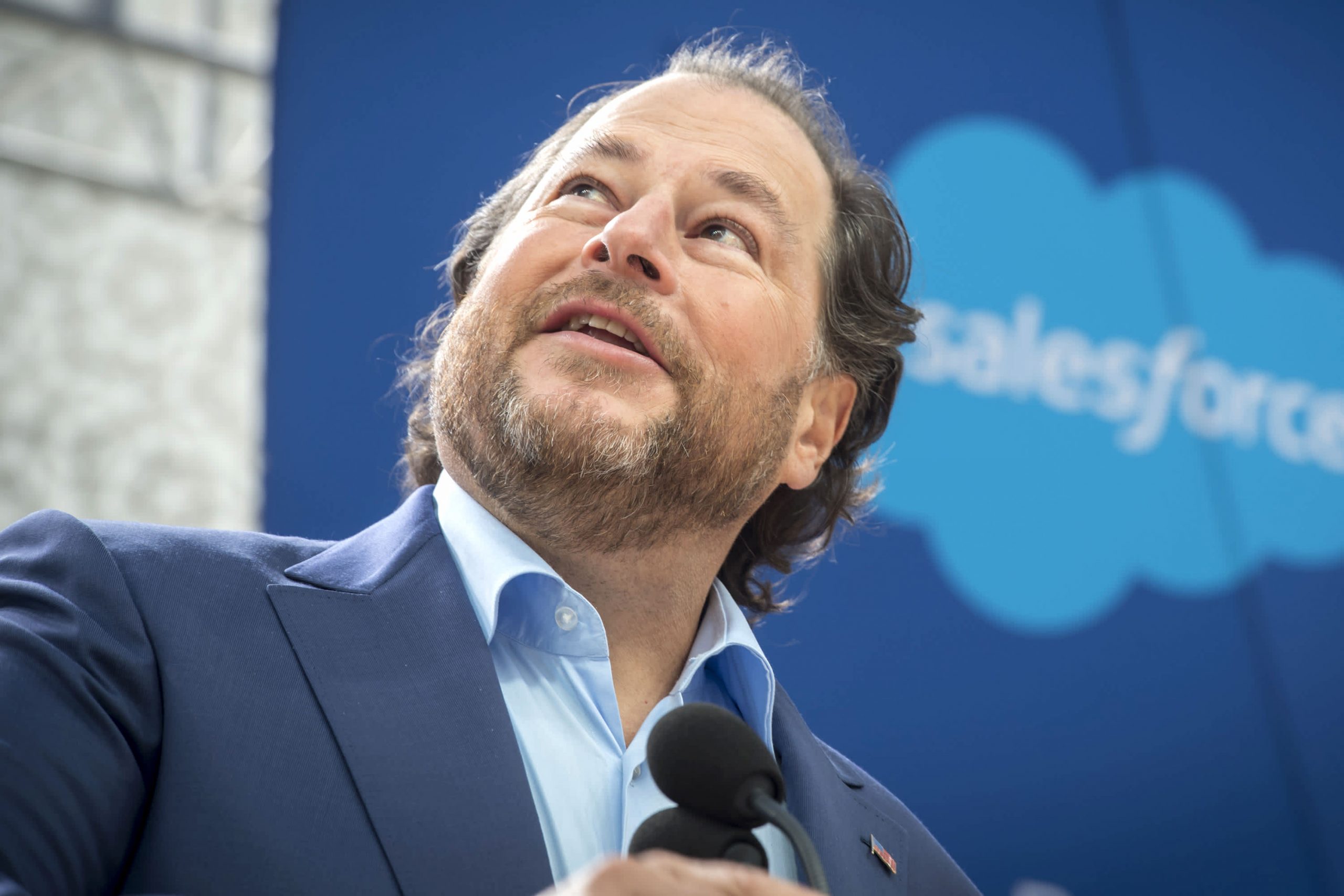
In this articleCRMMarc Benioff, chairman and chief executive officer of Salesforce.com speaks during the grand opening ceremonies for the Salesforce Tower in San Francisco on May 22, 2018.David Paul Morris | Bloomberg | Getty ImagesSalesforce CEO Marc Benioff said on Monday that he expects half or more of his company’s employees to continue working from home after the pandemic.Despite hefty real estate investments in recent years, including opening the 61-floor Salesforce Tower in San Francisco in 2018, Benioff has accepted that there’s no return to the pre-Covid days. In an interview that aired on CNBC’s “Closing Bell,” Benioff said 50% to 60% of staffers will likely work from home, up from about 20% before the pandemic hit.”The past is gone,” Benioff said. “We’ve created a whole new world, a new digital future, and you can see it playing out today.”Like the broader cloud software industry, Salesforce has powered through the pandemic, as companies became more reliant on tools that enabled their customers and employees to stay productive from remote environments. Salesforce’s revenue last fiscal year climbed 24% to $21.3 billion, keeping expansion roughly in line with its five-year average.Benioff highlighted some of his company’s projects with government organizations around the world tied directly to the pandemic. He said the company rebuilt the city of New York’s vaccine management system and contract tracing system, and put in similar systems in Japan and in Victoria, Australia, in the southeastern part of the country.”We’re busy,” Benioff said. “We have a lot going on. We have these commercial customers and public sector customers” and these are all “driving our business so aggressively,” he said.In downsizing its office needs, Salesforce took $216 million in impairments last year due to “real estate leases in select locations we have decided to exit,” according to its annual report. Salesforce is one of many tech companies in the Bay Area trying to figure out how to make use of space that will no longer be occupied by employees. Others include Dropbox, Uber and Zendesk.Benioff suggested that space will be used for events, training facilities and as “cultural engagement centers.””All of these things together make up the new way to work,” he said.WATCH: Salesforce plans to hold Dreamforce in-person in 2021