TokyoTokyo Mon - Fri 10:00-18:00 +81 (366) 701-751
info@mountequitygroup.com

Blog

Etsy buying Gen Z-oriented clothing app Depop for $1.63 billion

Etsy is making an outsize bet on Gen Z’s vintage clothing craze.

The Brooklyn-based arts-and-crafts site said Wednesday it is buying the social shopping app Depop — which has a reputation for selling TikTok-worthy vintage clothing — for $1.63 billion in cash.

London-based Depop, founded in 2011, says about 90 percent of its 30 million users across 150 countries are under the age of 26. By contrast, Etsy has a reputation for stocking cutesier vintage items and home goods that are popular among millennials and older generations. The median Etsy user is 39.

As in-person shopping slowed during the pandemic, Depop’s business boomed. The company’s revenue more than doubled year-over-year in 2020 to $70 million. It has also boasted collaborations with brands like Ralph Lauren and Adidas.

Depop’s interface mimics features of social media apps like Instagram, allowing buyers and sellers to follow each other, scroll through a feed and “like” items of clothing. The site also incentivizes sellers to style items in Instagram-like photoshoots.

“We are simply thrilled to be adding Depop — what we believe to be the resale home for Gen Z consumers — to the Etsy family,” said Etsy CEO Josh Silverman in a statement. 

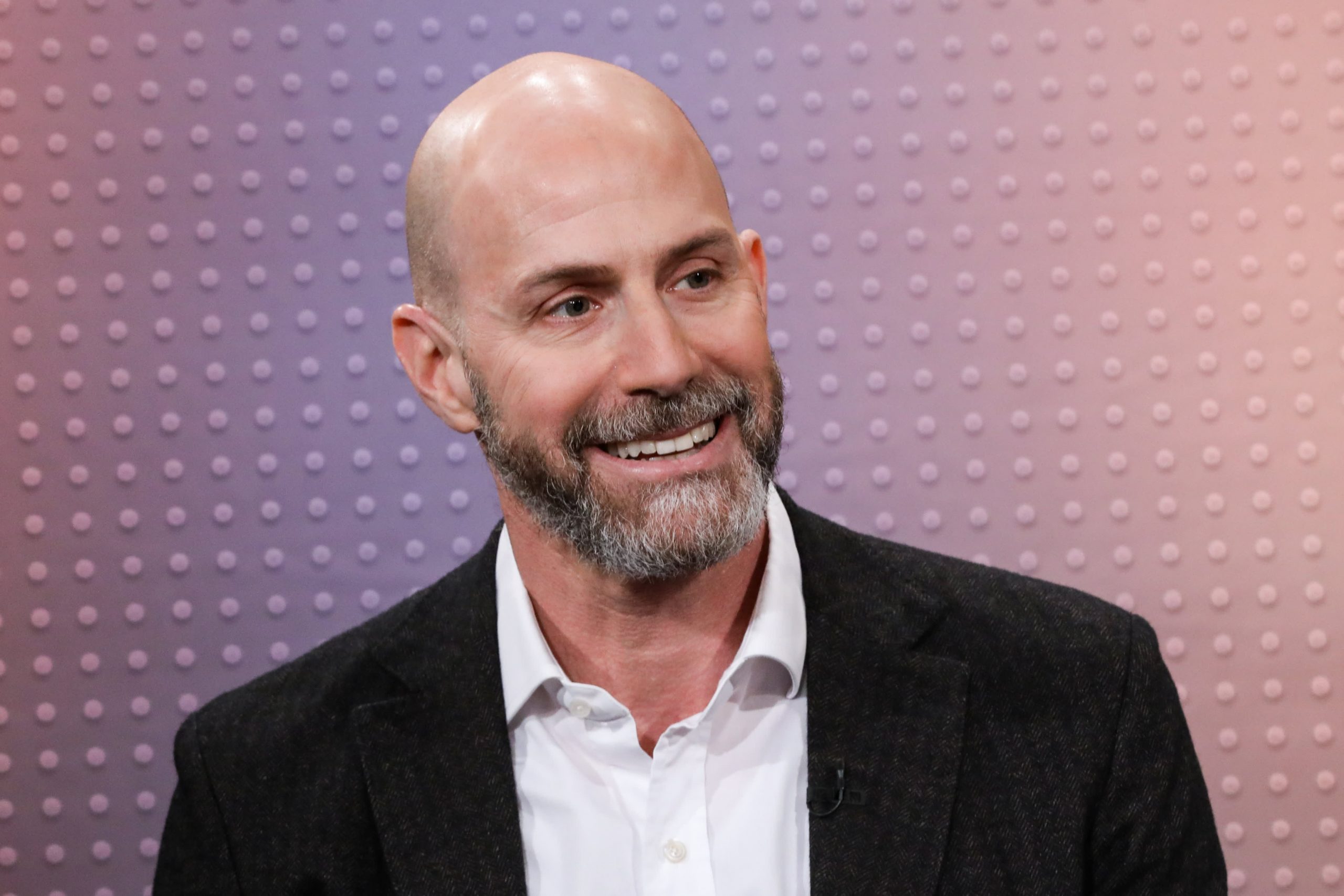
The deal gives Etsy a foothold with younger consumers. Gabby Jones/Bloomberg via Getty Images

The transaction is expected to close in the third quarter of 2021. Depop will remain headquartered in London under current leadership.

Both Depop and Etsy have benefited as consumer interest in the vintage clothing market has surged in recent years. The market is expected to reach $64 billion in the US by 2024.
Huawei launches its own operating system on smartphones in challenge to Google Android

A mobile phone shows Huawei app interface. Huawei unveiled HarmonyOS, its own operating system in 2019. In June 2021, the company launched the operating system on a smartphone for the first time.Costfoto | Barcroft Media | Getty ImagesGUANGZHOU, China — Huawei on Wednesday launched its self-developed operating system across a slew of devices, including smartphones. The move comes as the Chinese tech giant looks to wean itself off its reliance on U.S. technology and could pit it against software from Apple and Google.HarmonyOS launched in 2019 after the U.S. blacklisted Huawei, cutting it off from access to Google’s Android operating system. That move, along with further sanctions restricting Huawei’s access to critical semiconductors, crippled its smartphone business just months after it became the number one player in the world.Huawei has been developing HarmonyOS since 2016 and bills it as an operating system that can work across many internet-connected devices from smartphones to wearables. The company claims it is easy for developers to create apps that can work across different products.The focus on HarmonyOS working across devices is one way Huawei is trying to differentiate its operating system from Google’s Android and Apple’s iOS.”HarmonyOS is designed to provide the glue between a growing array of connected devices that Huawei is targeting,” Ben Wood, chief analyst at CCS Insight, said.”Huawei will be hoping that it can follow Apple’s lead, by having a single software platform that extends in all directions, providing a seamless experience to customers that buy into its ecosystem of products.”Smartphones, watches get HarmonyOSIn 2019, Huawei put HarmonyOS on a TV made by Honor, a brand it had used to own. On Wednesday, Huawei launched HarmonyOS on a new version of its flagship Mate 40 smartphone as well as its Mate X2 foldable phone. Huawei’s new Watch Series 3 smartwatch and MatePad Pro tablet will also be equipped with HarmonyOS.Sanctions in 2019 that cut Huawei off from Google meant users of the Chinese company’s smartphones did not receive Android updates.Huawei announced on Wednesday that many of the company’s older phones will be able to upgrade to HarmonyOS. These upgrades will begin from Wednesday and be gradually rolled out through to next year.U.S. sanctions caused a dramatic slowdown in Huawei’s revenue growth in 2020, hitting the company’s smartphone and its networking equipment business. Washington has maintained Huawei is a national security threat claiming data the company collects could be shared with the Chinese government. Huawei has repeatedly denied that it would do this.Huawei has looked to pivot to software and focus on other consumer electronics like wearables and tablets to boost revenue. HarmonyOS is part of that effort along with an increasing focus on cloud computing.The company has said that nearly 100 different Huawei products are set to support HarmonyOS in China this year. Huawei had previously said 300 million devices will run on HarmonyOS this year.At an online event on Wednesday, Wang Chenglu, the president of software in Huawei’s consumer business group, showed examples of how HarmonyOS works across devices. One example involved opening a “control panel” on a smartphone before choosing one of several music apps and what device to play songs on.Apps are keyTwo operating systems dominate the mobile market today — Google’s Android and Apple’s iOS. In the past, companies from Microsoft to Samsung have tried and failed to create viable alternatives.What let them down was the lack of scale which failed to attract developers to the platform to make apps. Without apps, users may not want to use the software.But Huawei has put a big focus on apps and the company’s scale and the number of devices HarmonyOS can work across could help draw developers to the platform.HarmonyOS could “attract the developer ecosystem and increase the install base of devices really fast,” Neil Shah, partner at Counterpoint Research, told CNBC. “More developers will see the benefits. There is not a chicken and egg problem.”Huawei has a suite of apps such as mapping and a browser under a brand called Huawei Mobile Services. HMS is similar to Google Mobile Services and offers developers kits that can be used to integrate things like location services into apps. HMS has 2.7 million registered developers globally.The Chinese firm also has its own app store called App Gallery with 540 million monthly active users worldwide.”Huawei has been able to generate some scale,” Shah said.Meanwhile, Huawei has opened its operating system to third-party device makers, much like Google’s Android. If major home appliance companies or device manufacturers decide to adopt HarmonyOS then that could help the software grow even further, Shah said.International prospectsWhile HarmonyOS could find success in Huawei’s home market of China, it may face challenges in international markets.Google’s Android and Apple’s iOS dominate the mobile operating system market. And on smartwatches, Apple has its WatchOS while Google last month launched a revamped version of its Wear operating system. The two U.S. technology giants have also been focusing on software for in-car entertainment too.Both companies also have a huge base of app developers and the world’s most popular apps on their platform. That is one area in which Huawei could struggle.”The only thing (HarmonyOS) still lacks is the big marquee western developers,” Shah said.Huawei’s app store is missing major names such Google apps, which are important to users abroad. Facebook meanwhile is available but not for direct download from AppGallery.Shah said certain continents like Europe and Africa could provide an opportunity for Huawei. However, the Chinese firm will most likely have to deal with the reputational fallout from U.S. sanctions.”Huawei faces huge challenges outside China,” Wood of CCS Insight said. “There has been a palpable loss of consumer confidence in the brand as a result of the US sanctions that will be challenging to overcome as it pivots into new areas.”

Guild Education reaches $3.7 billion valuation amid labor shortage

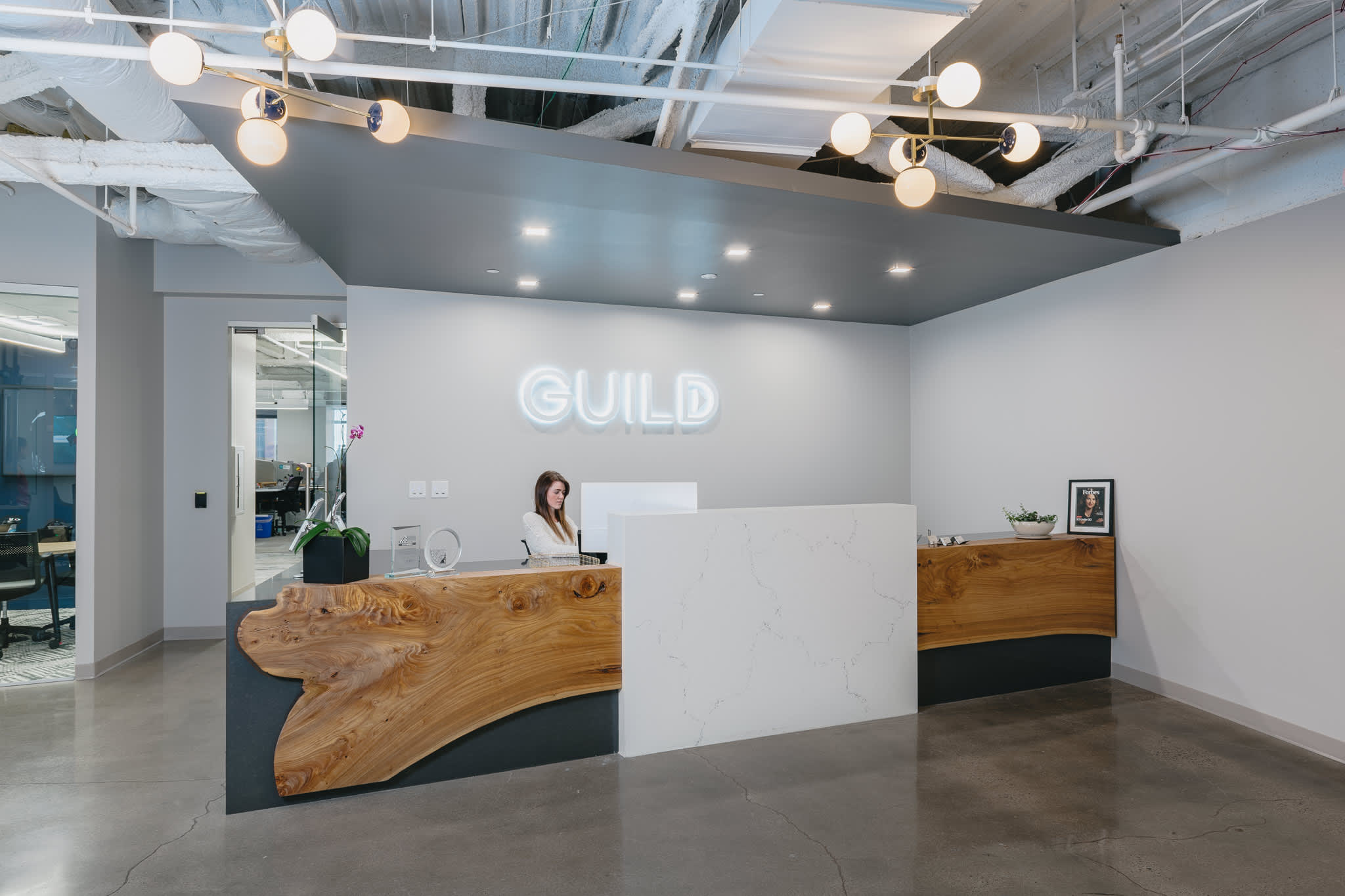
Guild Education’s Headquarters in Denver, ColoradoGuild EducationGuild Education has raised a $150 million Series E funding round, bringing the company’s valuation to $3.75 billion — more than triple its previous valuation of $1 billion.The Denver-based edtech company, ranked No. 49 on this year’s CNBC Disruptor 50 list, helps companies including Disney, Chipotle, Walmart, Taco Bell and Lowe’s offer debt-free degrees to their employees. “If you talk to CEOs at nearly any large company, they’re focused on issues that hinge on getting the return to work right: safety protocols, culture, support for women and parents, and above all — recruitment and retention,” co-founder and CEO Rachel Carlson told CNBC.On Guild’s platform, users can enroll in programs from high school to trades, associate’s, bachelor’s and master’s degrees. The courses are usually flexible, and don’t require a student to leave during the workday to complete a lesson or take an exam.More coverage of the 2021 CNBC Disruptor 50Meet the 2021 CNBC Disruptor 50 companiesWhy Robinhood is the No. 1 companyA look back at the CNBC Disruptor 50: 9 years, 233 companiesWhen disruption becomes a force for good — and badCybereason CEO told world about DarkSide from a bomb shelterThe new tech taking on trillions of pounds of trash How Relativity Space is reinventing the rocketIs audio the future of social?It’s not a vaccine passport, but more people travel ‘CLEAR’Patreon CEO on the ‘incredible leverage” creators now possessHow we choose Disruptor companiesChipotle has seen a 3.5 times higher retention rate among students enrolled in Guild programs, according to Carlson, and frontline employees who participate in the Guild programs are 7.5x more likely to move into a management role than peers not enrolled.”For workers, education unlocks economic mobility, giving them a debt-free way to acquire new skills and credentials that are aligned with the future of work,” she said. Guild sees opportunity to grow among the 88 million working Americans that need to learn new professional skills to compete for jobs, and to supplant the traditional notion that first obtaining a college degree is the way to a good job. It currently offers three million workers at major employers access to its platform, which helps the companies retain workers and “upskill” them into new roles and responsibilities. Workers receive access to education benefits, including tuition reimbursement and tuition assistance. Over the past year, nearly three quarters of U.S. companies reported major talent shortages — the highest number in a decade. A significant portion of the domestic workforce also faces a major threat of being displaced by automation. According to Carlson, workers with no postsecondary education — nearly 90 million Americans — will account for almost 80 percent of all displaced workers by 2030. “Employers are facing a rapidly changing workforce, with major shortages today in fields like engineering, cybersecurity and data analytics that are only accelerating,” she said. “As both employees and employers look to be competitive for the future of work, upskilling has quickly become the logical answer.”Guild says its new capital will be used to fuel the company’s growth, doubling the size of its product and engineering team, while also investing in its payments and technology platform. Investors in the new financing include Bessemer Venture Partners, General Catalyst, Salesforce Ventures, and GV, the venture capital arm of Alphabet.SIGN UP for our weekly, original newsletter that goes beyond the list, offering a closer look at CNBC Disruptor 50 companies, and the founders who continue to innovate across every sector of the economy.

Nike, other sponsors back Naomi Osaka after French Open withdrawal

Naomi Osaka’s sponsors are standing by her.

Sports apparel giant Nike, which signed a sponsorship deal with Osaka in 2019, commended the 23-year-old tennis star for opening up about her struggles with depression after she dropped out of the French Open.

“Our thoughts are with Naomi. We support her and recognize her courage in sharing her own mental health experience,” Nike said in a statement.

Osaka dropped out of the Grand Slam event after she was fined $15,000 for not speaking to the media following her first round match on Sunday.

“Hey everyone, this isn’t a situation I ever imagined or intended when I posted a few days ago. I think now the best thing for the tournament, the others players and my well-being is that I withdraw so that everyone can get back to focusing on the tennis going on in Paris,” Osaka wrote Monday on Twitter. “I never wanted to be a distraction and I accept that my timing was not ideal and my message could have been clearer.

“More importantly I would never trivialize mental health or use the term lightly. The truth is that I have suffered long bouts of depression since the US Open in 2018 and I have had a really hard time coping with that.”

Other sponsors of Osaka, the No. 2-ranked women’s player in the world, followed Nike’s lead.

“Naomi Osaka’s decision reminds us all how important it is to prioritize personal health and well-being,” Mastercard said in a statement. “We support her and admire her courage to address important issues, both on and off the court.”

Swiss luxury watchmaker TAG Heuer said that it supports its brand ambassadors “in triumph but also during challenging periods,” according to CNN.

“Naomi is going through difficult times and we truly hope to see her back soon. She is a great champion and we are convinced that she will come out of this period stronger, be it professionally or personally,” the company told the outlet in a statement.

FFT (Federation Francaise de Tennis) president and former player Gilles Moretton was slammed for his decision after threatening to disqualify Naomi Osaka from the tournament.JOEL SAGET/AFP via Getty Images

Nissin Foods, a Japanese company known for its instant noodles, Japanese automaker Nissan and Nippon Airways, a Tokyo-based airline, all also voiced support for Osaka’s decision, according to CNN.

Sweetgreen, the US restaurant chain, told CNN, “Our partnership with Naomi is rooted in wellness in all its forms. We support her in furthering the conversation around mental health and are proud to have her as part of the sweetgreen team.”

Osaka is a brand ambassador and investor of Sweetgreen.

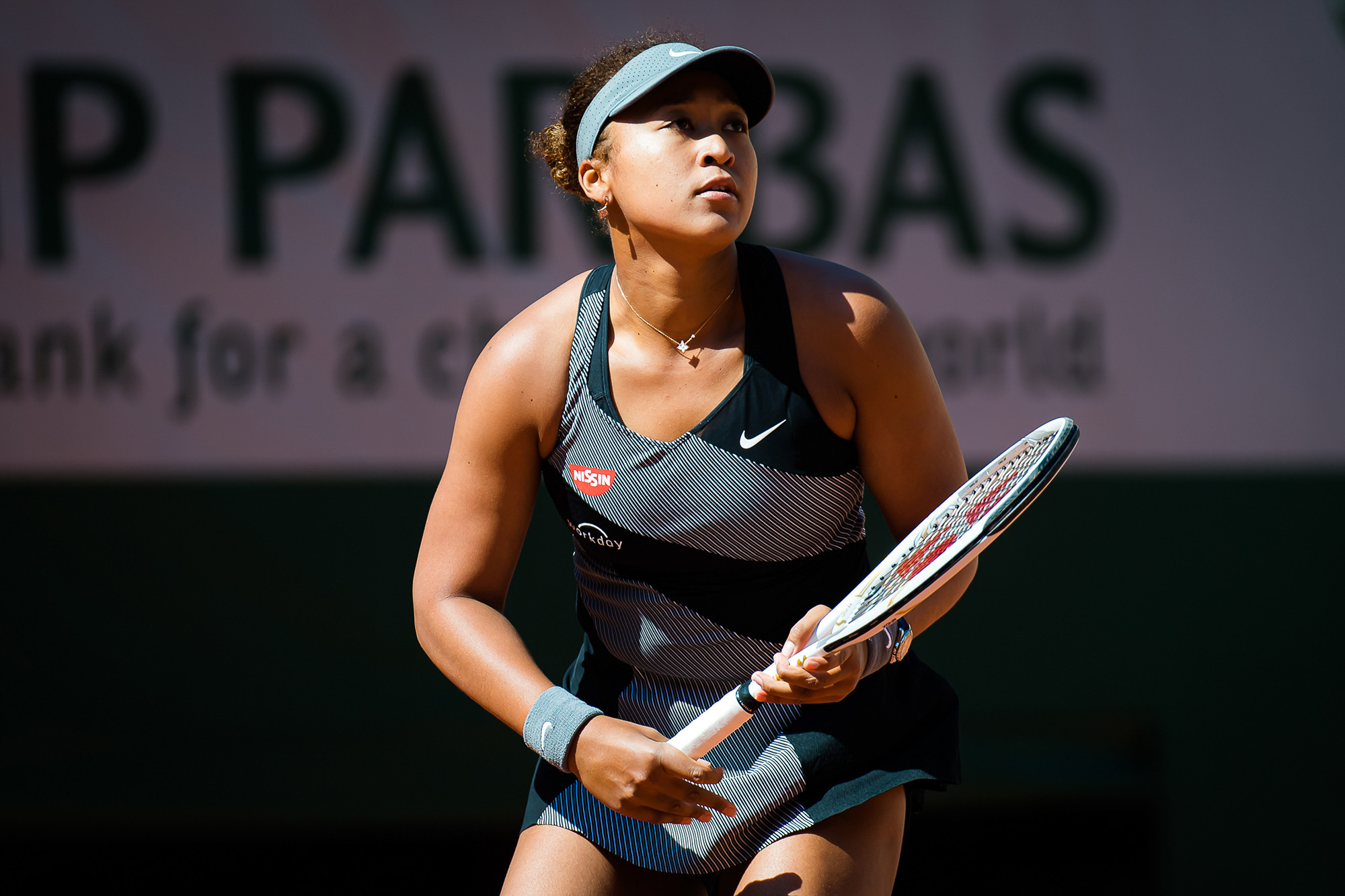
A Nike billboard featuring tennis player Naomi Osaka is seen on display in New York City on June 1, 2021. EPA/JUSTIN LANE

Osaka’s decision to withdraw from the French Open has been both lauded and criticized. Tennis legend Martina Navratilova was among those to express support for Osaka.

“I am so sad about Naomi Osaka. I truly hope she will be ok,” the nine-time Wimbledon champion tweeted. “As athletes we are taught to take care of our body, and perhaps the mental [and] emotional aspect gets short shrift. This is about more than doing or not doing a press conference. Good luck Naomi — we are all pulling for you!”

Two-time NBA MVP Stephen Curry also tweeted that Osaka “shouldn’t ever have to make a decision like this — but so damn impressive taking the high road when the powers that be don’t protect their own. Major respect.”

Serena Williams, who’s still competing in the French Open, has also come to Osaka’s support.

“The only thing I feel is that I feel for Naomi. I feel like I wish I could give her a hug because I know what it’s like. Like I said, I’ve been in those positions,” Williams said after her first-round win over Romania’s Irina-Camelia Begu.

“Not everyone is the same. We have different personalities. I’m thick. Other people are thin. Everyone is different and everyone handles things differently. You just have to let her handle it the way she wants to and the best way she thinks she can,” the 23-time Grand Slam winner said.

“That’s the only thing I can say: I think she is doing the best she can.”

Serena Williams gets emotional at a press conference after losing her women’s semi-final match against Naomi Osaka at the Australian Open on Feb. 18, 2021.ROB PREZIOSO/TENNIS AUSTRALIA/AFP via Getty Images

Others, however, have said facing the media is part of an athlete’s job.

“I always believed that’s part of the job,” Tennis legend Boris Becker told Eurosport. “Without the media, there isn’t any prize money, there isn’t any contracts and just you don’t get half the cake.”

Software start-up Celonis quadruples valuation to $11 billion in new funding round

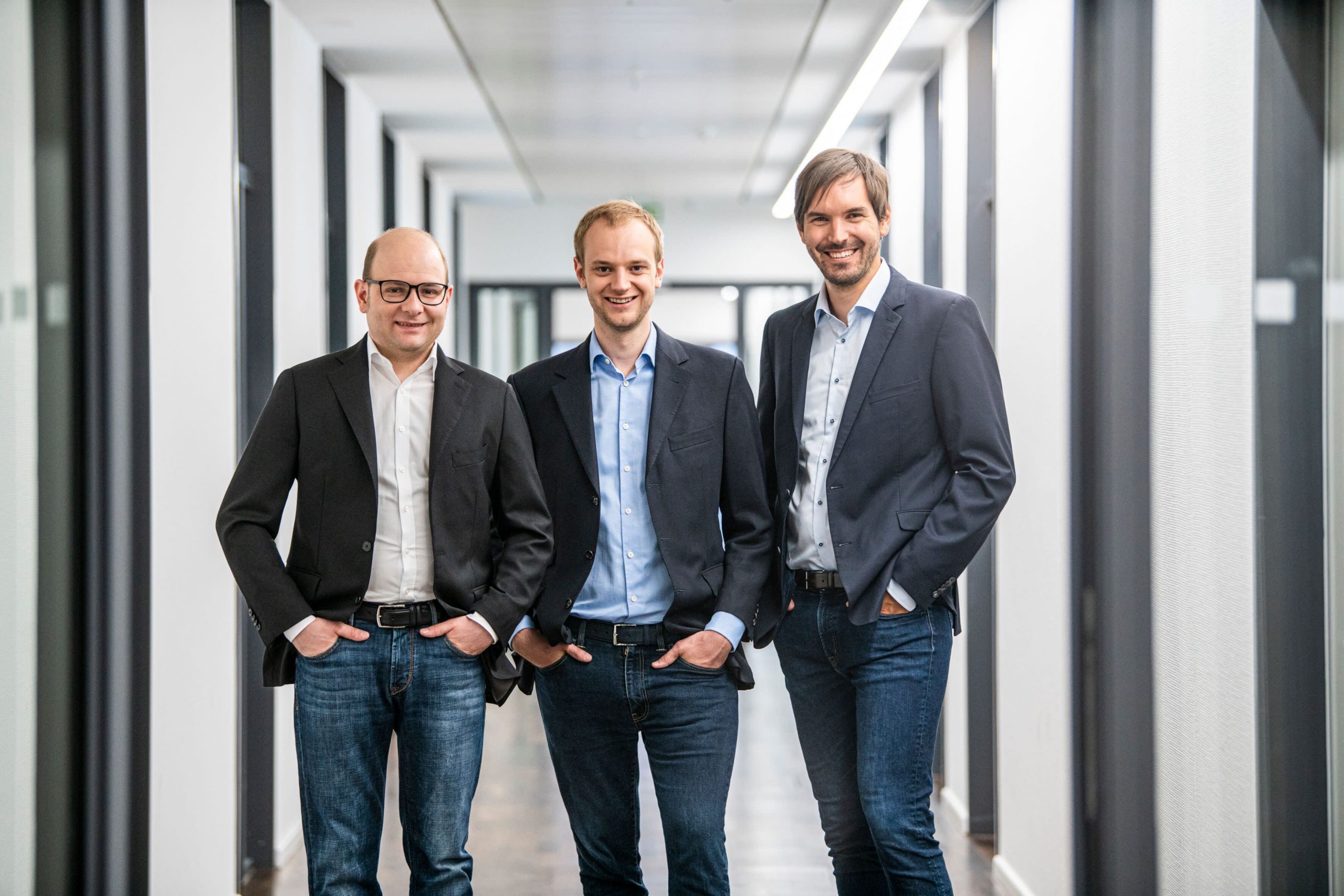
Celonis co-founders Bastian Nominacher, Alexander Rinke and Martin Klenk.CelonisLONDON — Enterprise software firm Celonis on Wednesday said it had raised $1 billion in a new round of funding, valuing the company at an eye-watering $11 billion.The new investment was co-led by Durable Capital Partners and T. Rowe Price Associates, with Franklin Templeton and Splunk Ventures also participating. Celonis is now worth more than four times the $2.5 billion it was last privately valued at in a 2019 cash injection.Founded in 2011 by three friends in Munich, Germany, Celonis began life as a college project for consulting businesses on improving their IT processes.The firm pioneered a technology called “process mining,” which analyzes data from a company’s event logs to identify problems with certain processes and figure out ways to streamline them.”As companies grow, inefficiency creeps in and business execution becomes a struggle,” Alex Rinke, co-CEO and co-founder of Celonis, said in a statement. “Employees feel it, customers feel it, and it leads to significant financial losses and environmental impact.””We are thrilled and honored that the rise of execution management is defining a new software stack that helps customers reimagine how they execute,” he added. “It is the biggest shift in software since cloud computing.”The company says it’s growing by triple digits each year, boasting a clientele featuring the likes of Dell, L’Oreal and Pfizer. The New York and Munich-headquartered firm now has more than 1,300 employees globally.In addition to announcing a huge funding deal, Celonis said it had appointed Carlos Kirjner, formerly vice president of finance at Google, as its new chief financial officer ahead of an anticipated initial public offering.It’s the latest sign of how investors are gushing over enterprise software businesses with recurring revenue streams and comes at a time when the coronavirus pandemic has accelerated a digital shift for businesses of all shapes and sizes.A slew of software companies have gone public in the U.S. over the past year. Romanian-founded firm UiPath went public in a blockbuster debut on the New York Stock Exchange in April, while cloud company Snowflake listed last September.

JBS to reopen most operations after cyberattack shut all its US beef plants

JBS Foods, the world’s largest meat supplier, said it has made “significant progress in resolving the “cyberattack” that shutdown all of its US beef plants on Tuesday, easing fears of further meat price increases. 

The “vast majority” of the company’s plants are expected to reopen on Wednesday, JBS USA CEO Andre Nogueira said in a statement Tuesday evening.

But even one day’s disruption could affect wholesale beef prices, analysts warned. 

JBS, which controls about 20 percent of the slaughtering capacity for cattle and hogs in the US, had halted cattle slaughter at all its US plants on Tuesday, union officials said. Operations in Australia and Canada were also affected, according to union officials.

“JBS USA and Pilgrim’s are a critical part of the food supply chain and we recognize our responsibility to our team members, producers and consumers to resume operations as soon as possible,” Nogueira said. “Our systems are coming back online and we are not sparing any resources to fight this threat.”

JBS controls about 20 percent of the slaughtering capacity for cattle and hogs in the US.Denver Post via Getty Images

It remains unclear who orchestrated the hacking of JBS, but Karine Jean-Pierre, a White House deputy press secretary, told reporters on Air Force One on Tuesday that it was a ransomware attack. 

She added that the ransom demand had come from “a criminal organization likely based in Russia.”

Ransomware is a malicious software that locks up a user’s data. In ransomware attacks, the hackers demand a ransom for the unlocking or return of the affected data.

White House Deputy Press Secretary Karine Jean-Pierre reported that the hack on JBS was a ransomware attack, likely from Russia. The Washington Post via Getty Images

It’s the second such attack to strike a piece of critical US infrastructure in recent weeks. Last month, the operator of the biggest US oil pipeline was similarly paralyzed by a cyberattack orchestrated by the Russia-based criminal group DarkSide. That attack had a sweeping effect on Americans, sending gas prices soaring and spurring panic buying across the Southeast.

The FBI is investigating the hack, the White House’s Jean-Pierre said, and the Cybersecurity and Infrastructure Security Agency is also involved.

“The president has directed the administration to determine what we can do to mitigate any impacts as they may become necessary,” she said Tuesday.

Prices for chicken and beef have continued to rise throughout the pandemic.The Washington Post via Getty Images

Analysts at Daily Livestock Report noted Tuesday that the meat supply chain in the US is already “extremely tight.” US prices of beef and chicken have soared in recent months amid shortages and surging demand as the restaurants and the broader economy reopen.

“Retailers and beef processors are coming from a long weekend and need to catch up with orders and make sure to fill the meat case,” the analysts wrote in a report. “If they suddenly get a call saying that product may not deliver tomorrow or this week, it will create very significant challenges in keeping plants in operation and the retail case stocked up.”

If JBS operations can’t quickly bounce back, the analysts warned, it “could add gasoline to an already large flame.”

Etsy is buying Gen Z-focused fashion resale app Depop for $1.62 billion

In this articleETSYJosh Silverman, CEO of Etsy.Adam Jeffery | CNBCE-commerce firm Etsy announced Wednesday that it is buying the second-hand fashion marketplace app Depop for $1.62 billion as part of an effort to reach a younger audience.Founded in the U.K. in 2011, Depop claims to now have approximately 30 million registered users across 150 countries. The online marketplace gives people the ability to sell on their used clothes and other items in a similar way to apps like Gumtree and Shpock.Etsy CEO Josh Silverman said in a statement that the company is “thrilled” to be adding what it believes to be the “resale home for Gen Z consumers” to Etsy.”Depop is a vibrant, two-sided marketplace with a passionate community, a highly-differentiated offering of unique items, and we believe significant potential to further scale,” he said.”Depop’s world-class management team and employees have done a fantastic job nurturing this community and driving organic, authentic growth in a way that aligns well with Etsy’s DNA and mission of keeping commerce human. We see significant opportunities for shared expertise and growth synergies across what will now be a tremendous ‘house of brands’ portfolio of individually distinct, and very special, ecommerce brands.”Depop’s CEO Maria Raga said in a statement that Depop is “where the next generation comes to explore unique fashion and be part of a community that’s changing the way we shop.”She added:” Our community is made up of people who are creating a new fashion system by establishing new trends and making new from old. They come to Depop for the clothes, but stay for the culture. We’ll now take an exciting leap forward as part of the Etsy family, benefiting from Josh’s and his team’s expertise, and the resources of a much larger company whose values are so aligned with ours here at Depop.”

Elon Musk tweets again, sending shares of 'Baby Shark' investor soaring

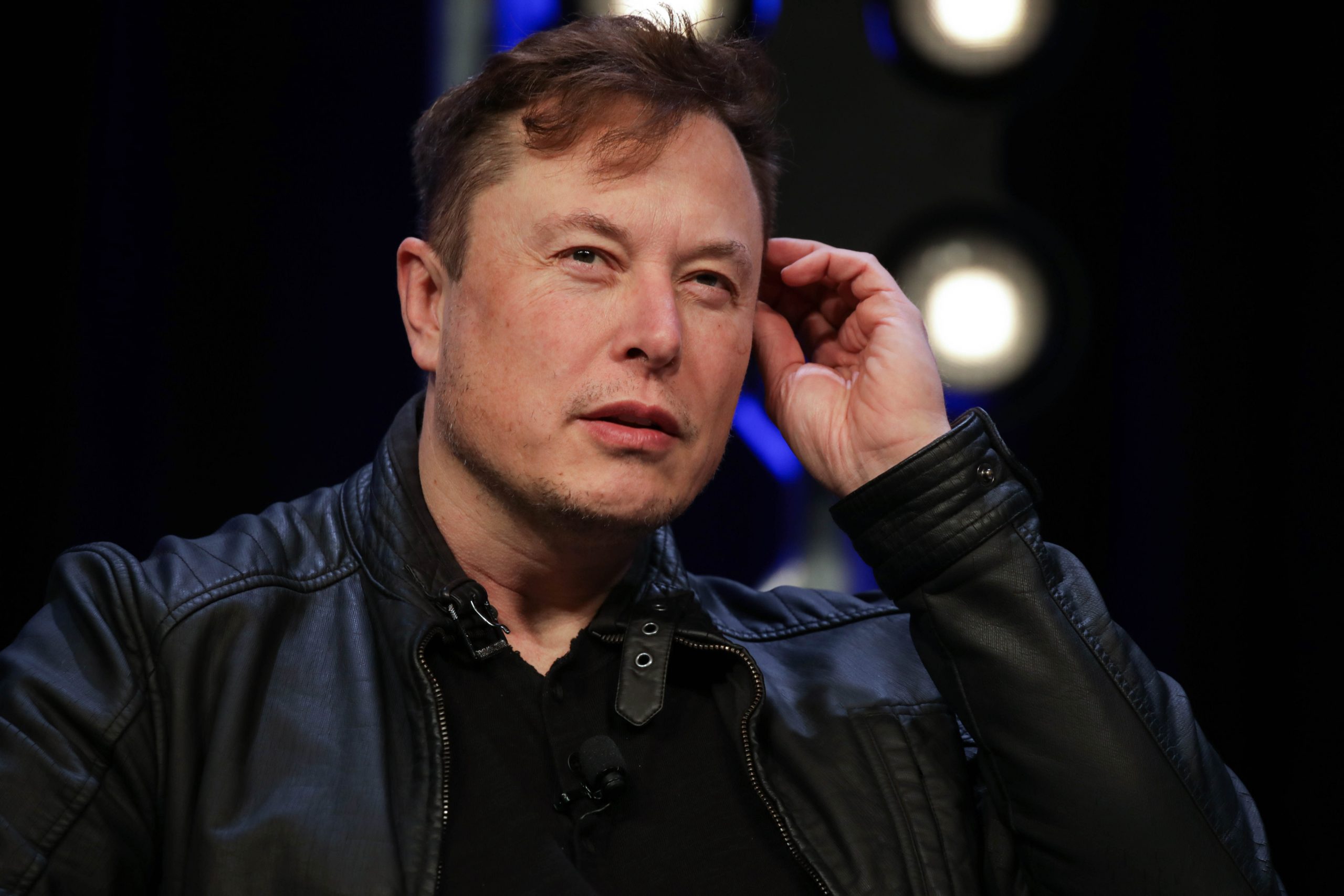
Elon Musk, Founder and Chief Engineer of SpaceX, speaks during the Satellite 2020 Conference in Washington, DC, United States on March 9, 2020.Yasin Ozturk | Anadolu Agency | Getty ImagesShares of Samsung Publishing, a major shareholder in the producer of “Baby Shark,” soared on Wednesday after a tweet by Tesla CEO Elon Musk about the viral children’s song.Shares of Samsung Publishing in South Korea soared more than 10% at one point during regular trading on Wednesday, before paring some gains to close 6.29% higher. The company has no affiliation with South Korean conglomerate Samsung Group, even though they share the Samsung name.Wednesday’s gains came on the back of a tweet by Musk on Tuesday morning Asia time, which said: “Baby Shark crushes all! More views than humans.”The stock remains off its year-to-date high of 59,000 Korean won in April, according to data from Refinitiv Eikon, though it has already surged more than 97% since the start of the year. Samsung Publishing shares were sitting at 47,300 Korean won by Wednesday’s close.The stock surge was another example of Musk’s apparent outsized influence.Cryptocurrencies such as bitcoin and dogecoin previously saw sharp moves in their prices following comments by the tech billionaire. His tweets have previously also been linked to moves in the stock market in so-called meme stocks such as GameStop.Shares of Samsung Publishing surged more than 76% in 2018 after the viral song “Baby Shark” cracked the top 40 charts in the U.K. The song has been around for well over a decade, according to internet search results, but the 2016 video cover created by Samsung Publishing affiliate SmartStudy has been a primary driver of interest across the world.The video was created by its Pinkfong division, which SmartStudy says “develops creative, animated content to provide stimulating and fun learning experiences to children worldwide.” Pinkfong distributes its content through mobile apps and platforms such as YouTube and Amazon Video.

Amazon Prime Day set for June 21 and 22

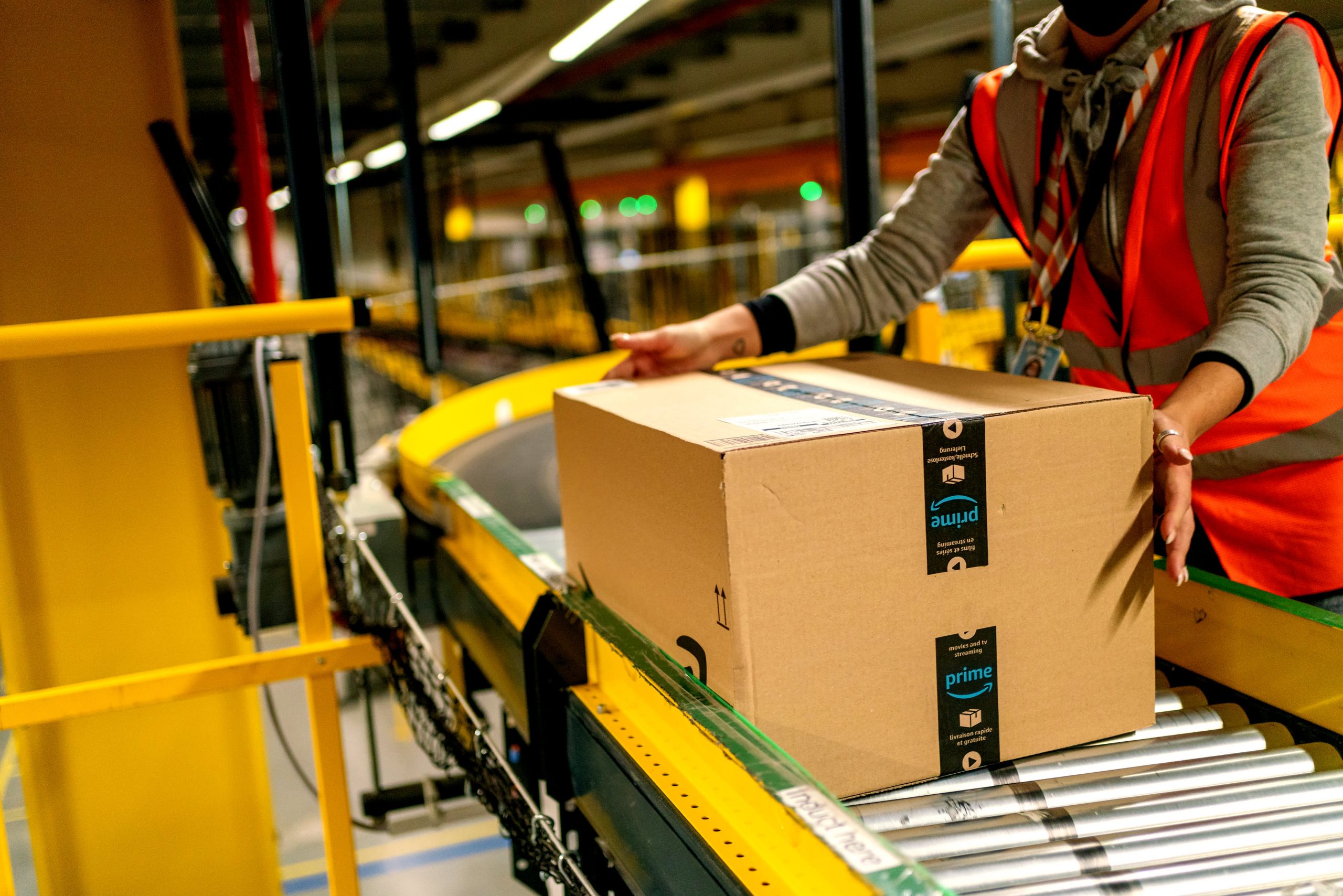
In this articleAMZNAn Amazon fulfillment center in Frankenthal, Germany.Thorsten Wagner | Bloomberg | Getty ImagesAmazon is bringing its Prime Day megasale back to its normal summertime schedule after the company last year postponed the annual event due to the coronavirus pandemic.The company announced Wednesday that this year’s Prime Day will take place on June 21 and 22. Members of Amazon’s Prime subscription program will get access to “more than 2 million deals” across every category, said Jamil Ghani, vice president of Prime, during a press event Tuesday.Prime Day, which started in 2015, is typically held in July. The discount celebration is partially designed to attract new Prime subscribers, to promote Amazon’s products and services, and to provide a sales boost during a normally slower shopping period.Last year, the company was forced to delay Prime Day until mid-October due to pandemic-related uncertainty and strains on its fulfillment and logistics capacity. Amazon is postponing this year’s Prime Day in India and Canada due to the worsening spread of Covid-19 in those countries.Amazon previously confirmed that Prime Day would be held in June, but it stopped short of sharing a kickoff date. Bloomberg reported last month that Amazon would select June 21 and 22 as the dates for this year’s Prime Day, citing notifications sent to employees.CFO Brian Olsavsky said during Amazon’s most recent earnings conference call that the company would hold Prime Day one month earlier this year because July is typically a busy vacation period. Analysts told CNBC that a June Prime Day could potentially help soften year-over-year comparisons to its business during lockdowns last spring.Amazon has forecast second-quarter revenue will be between $110 billion and $116 billion, which surpassed Wall Street’s projected $108.6 billion and implies a bump from Prime Day.

China to hand out $6.2 million in digital currency to Beijing residents as part of trial

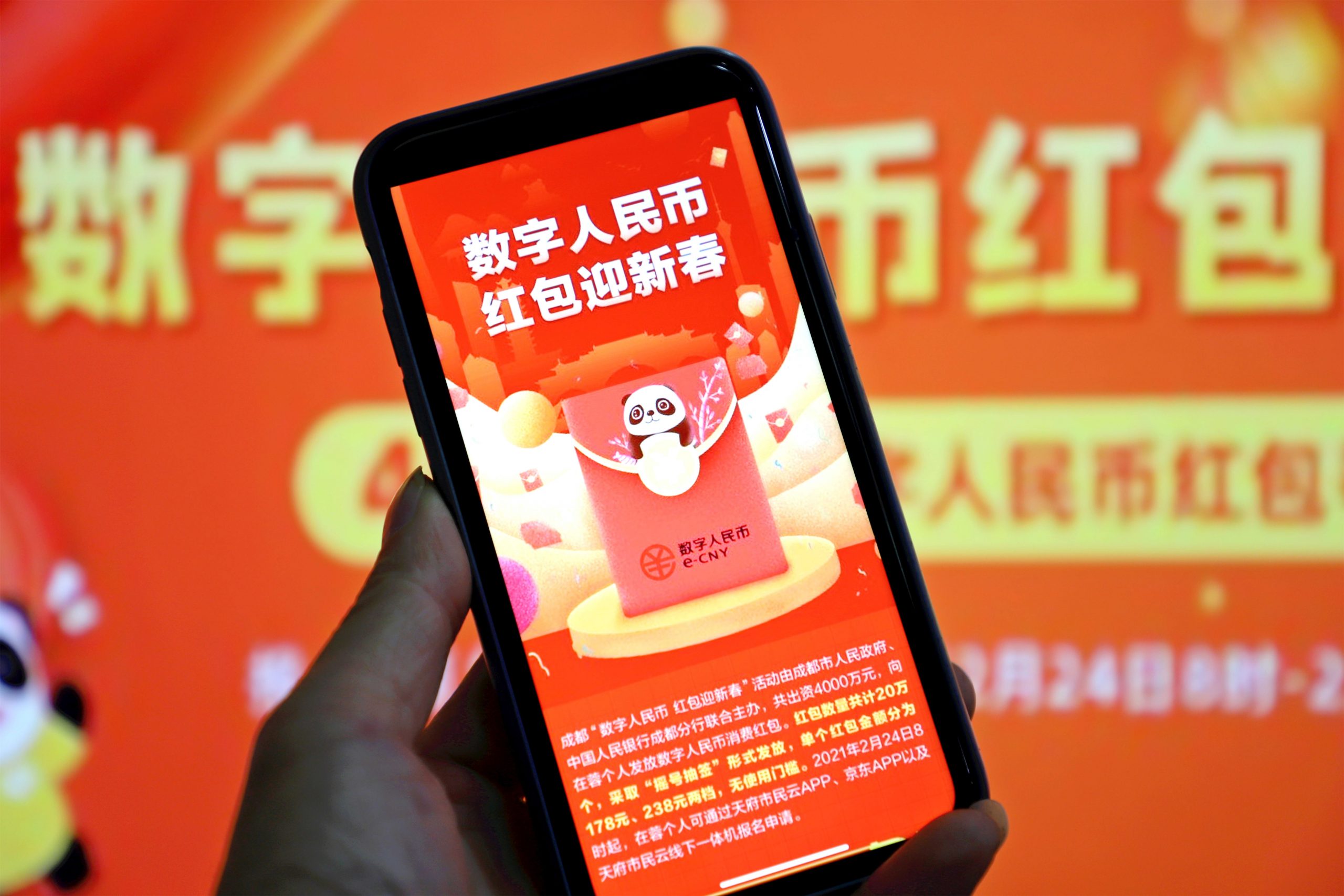
A digital Chinese currency red packet is seen on a mobile phone in an arranged photograph as Chengdu city starts to distribute 200,000 E-CNY ‘red packets’ worth 40 million yuan on February 24, 2021 in Yichang, Hubei Province of China.VCG | Visual China Group | Getty ImagesGUANGZHOU, China — China will hand out 40 million renminbi ($6.2 million) of its digital currency to citizens in Beijing in a lottery.Residents of the Chinese capital can use two banking apps to apply to win one of 200,000 so-called red packets as part of the lottery, according to the Beijing Local Financial Supervision and Administration Bureau.Each envelope contains 200 yuan (about $31) of the digital currency which can be spent with selected merchants. The deadline to register is midnight on June 7.The world’s second largest economy has yet to do a nationwide rollout of the digital yuan, which it has been developing since 2014, but is instead focusing on trials in the form of lotteries around the country.Li Bo, deputy governor of the People’s Bank of China (PBOC), said in April that the central bank would expand the scope of its pilot projects and could even allow foreign visitors at the 2022 Beijing Winter Olympics to use it.In February, the southwestern Chinese city of Chengdu handed out 40.2 million yuan of the digital currency. Last year, other cities such as the Chinese technology hub of Shenzhen held their own lotteries.Read more about China from CNBC ProCiti upgrades Nio, says growing EV demand in China can lift stock more than 50%Chinese yuan will become a top reserve currency sooner than expected, says Ray DalioChinese consumers are getting richer. UBS picks the stocks to cash inThe digital yuan is not a cryptocurrency like bitcoin. For one, it is issued by a central authority — the PBOC — while bitcoin is not and therefore “decentralized.”Instead, China’s efforts are an example of a central bank digital currency (CBDC) and the PBOC is aiming to digitalize bank notes and coins in circulation.In April, PBOC Deputy Governor Li reiterated the digital yuan was for domestic use and not and attempt to challenge the dominance of the U.S. dollar.”For the internationalization of renminbi, we have said many times that it’s a natural process and our goal is not to replace (the) U.S. dollar or any other international currency,” Li said. “I think our goal is to allow the market to choose and to facilitate international trade and investment.”China’s continued testing of the digital yuan comes as authorities renew a crackdown on the cryptocurrency sector in the country. While local cryptocurrency exchanges were banned in 2017, regulators are now turning their attention to cracking down on bitcoin mining.