TokyoTokyo Mon - Fri 10:00-18:00 +81 (366) 701-751
info@mountequitygroup.com

Blog

Tom Brady says he's a 'big believer' in cryptocurrencies

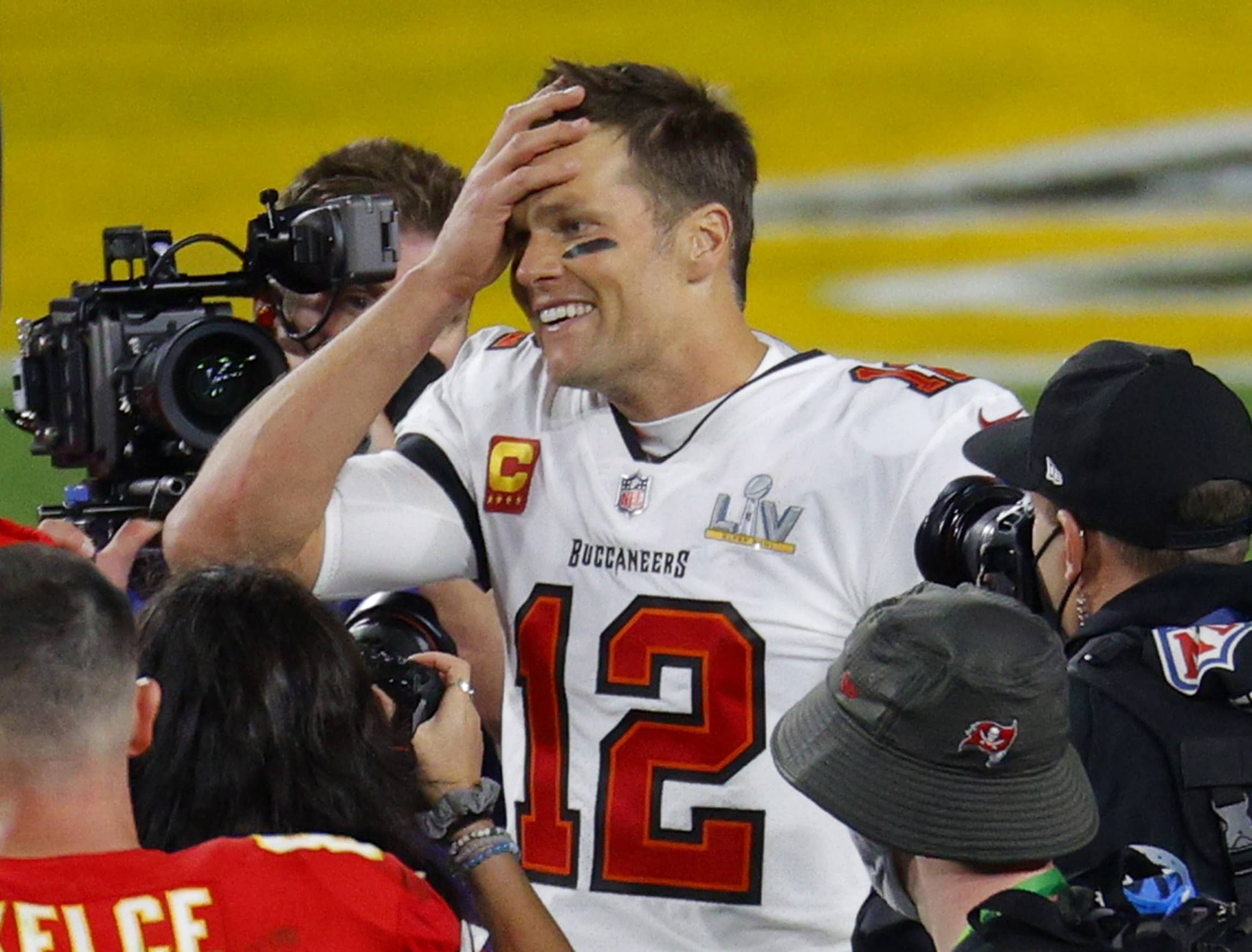
Tampa Bay Buccaneers’ Tom Brady celebrates after winning the Super Bowl LV, February 7, 2021.Brian Snyder | ReutersSeven-time Super Bowl champion Tom Brady said he’s a “big believer” in cryptocurrencies, confirming that he’s purchased digital coins.”I don’t think it’s going anywhere,” Brady said at the CoinDesk Consensus 2021 forum on Thursday. “I’m still learning so much. It’s definitely something I’m going to be in for a long time.””How we pay for things now is very different from how we paid for things when I was a kid,” Brady said. “At the end of the day it’s transactions and how they’re happening between people in the space of three to four feet … it’s not exchanging dollar bills anymore, it’s passing along technology.””The world is changing, we all just have to understand it’s constant change and you can either be ahead of the curve or behind it and I’m choosing to be ahead of it,” he added. “As someone who wants to be on the forefront of things, I’m going to help create the trend and adopt it and recognize this is where the world is heading.”Brady didn’t say which coins he’s bought, but he’s indicated an interest in bitcoin. Earlier this month, for example, he changed his Twitter profile picture to include “laser eyes,” which is something many bitcoin enthusiasts do to show their support.”I’ve been following that community for a while on Twitter, someone had really called me out to change my profile picture and use the laser eyes,” he said. “In my understanding it was a vote of confidence, to really get into the conversation as I’m such a believer in crypto and where things are headed in the world.”Brady doesn’t think NFL players will paid in bitcoin anytime soon. “At the end of the day, technically, that can’t happen. What they pay is in dollars.” But he said it’s “absolutely” a good vehicle for investing money. “I definitely think there will be more solutions as this is more widely adopted,” he added.Earlier this year, Brady announced an NFT platform called Autograph that will auction off pieces of digital content linked to the blockchain when it launches sometime this spring.Interest in cryptocurrencies has surged over this past year, with athletes, celebrities and business executives investing in different digital coins, believing cryptocurrencies are a portfolio diversifier. The price of a single bitcoin, the world’s most valuable cryptocurrency, is up more than 280% year over year, according to data from CoinDesk.Subscribe to CNBC on YouTube.
Jay-Z to address Wall Street executives at annual investors conference

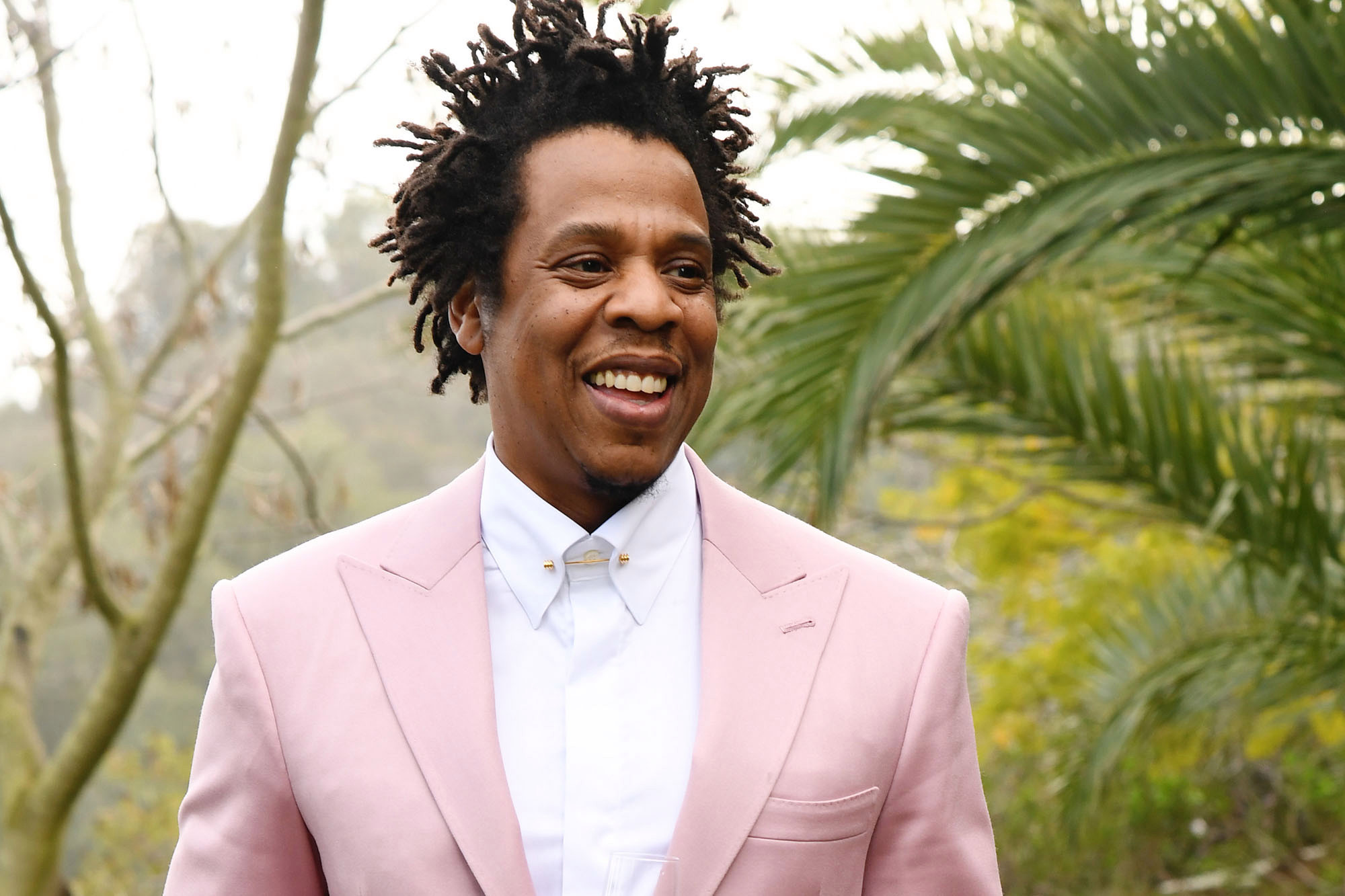
Jay-Z will rap to some of Wall Street’s biggest names next month at the Robin Hood Foundation’s annual investors conference, event organizers confirmed.

The Brooklyn-born rapper is expected to discuss his business career, including his recent deal to sell music-streaming service Tidal to Jack Dorsey-owned Square. That deal also had him added to the financial services company’s board of directors. 

Jay-Z, who was born Shawn Carter, founded the entertainment empire Roc Nation and cannabis brand Monogram, among other ventures.

He also owns D’usse Cognac and is co-owner of champagne brand Armand de Brignac. Earlier this year, luxury brand behemoth LVMH purchased 50 percent of Armand de Brignac, popularly known as “Ace of Spades.”

Earlier this year, Jay-Z also launched a $10 million investment fund to help minority marijuana entrepreneurs break into the burgeoning pot business.

“We are especially excited to welcome Jay-Z, one of the greatest entrepreneurs of his generation, to speak at the conference. He exemplifies the visionary, cutting-edge investor that shares our stage each year to provide expert insights while supporting the measurable and sustainable programs Robin Hood operates to elevate New Yorkers out of poverty,” John Griffin, founder of Blue Ridge Capital and Robin Hood board chair, told CNBC.

Jay-Z recently sold Tidal to Jack Dorsey’s Square for a reported $350M.Louis Ascui/Fairfax Media via Getty Images via Getty Images

Billionaire investor Ray Dalio and Carolina Panthers owner David Tepper are also scheduled to speak at the Robin Hood conference, which will be virtual and begins on June 16.

Other big-time investors slated for an appearance at the conference include Cathie Wood of ARK Invest, Starwood Capital’s Barry Sternlicht, Boaz Weinstein of Saba Capital and others. 

John Griffin, founder of Blue Ridge Capital, said he is “especially excited to welcome Jay-Z.”Kevork Djansezian/Getty Images

The conference is a fundraiser for the foundation, which fights poverty in New York City.  raised over $20 million from investor conferences between 2016 and 2020. This will mark the first time Jay-Z has spoken at the annual conference.

The foundation says it has raised more than $15 million through its investors conferences since they began in 2013. 

Russian hackers launch major cyberattack through U.S. aid agency’s email system, Microsoft says

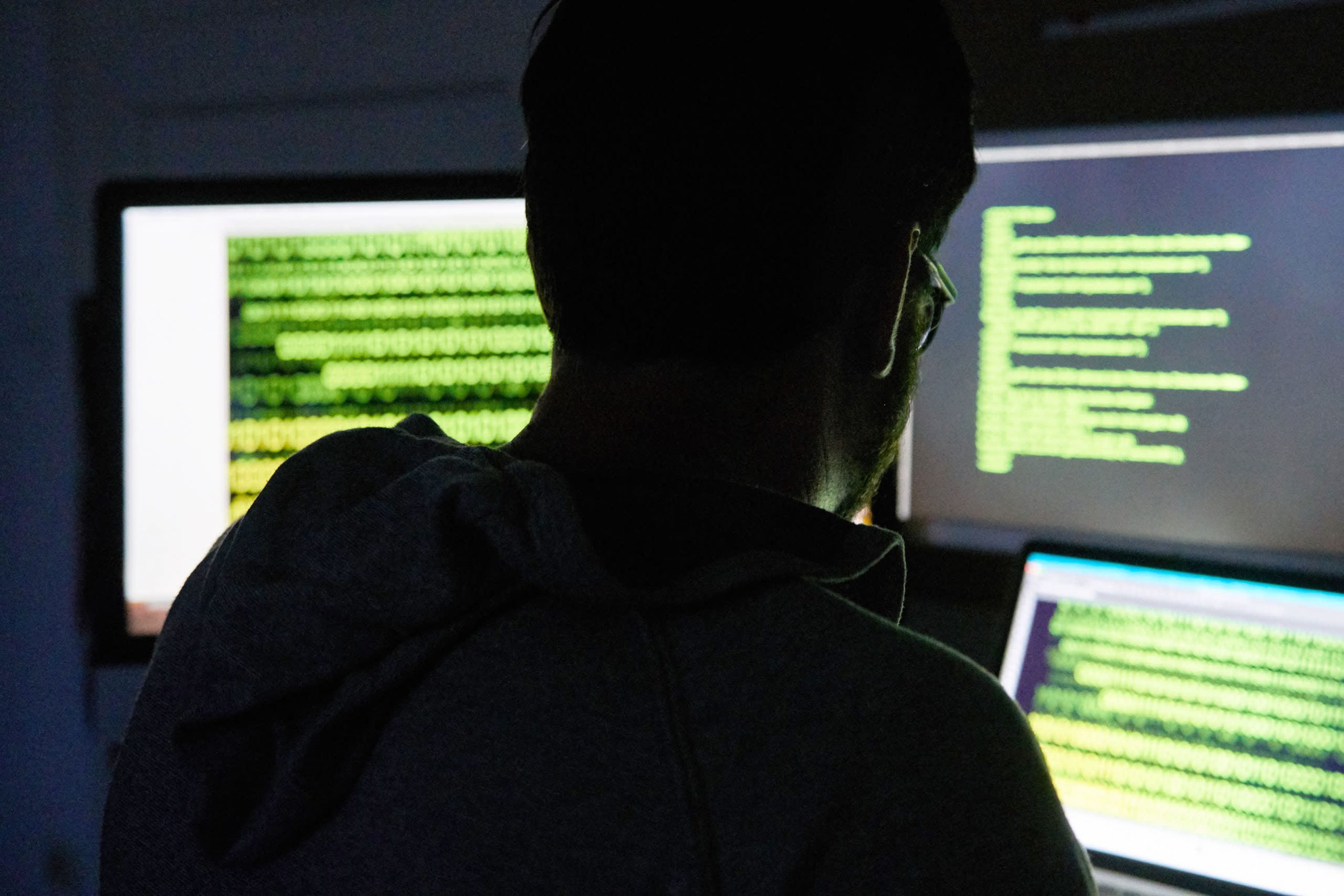
In this articleSWIAnnette Riedl | Picture Alliance | Getty ImagesThe Russian hackers thought to be behind the catastrophic SolarWinds attack last year have launched another major cyberattack, Microsoft warned Thursday.Microsoft said in a blog post that the hacking group, known as Nobelium, had targeted over 150 organizations worldwide in the last week including government agencies, think tanks, consultants, and non-governmental organizations.They sent phishing emails – spoof messages designed to trick people into handing over sensitive information or downloading harmful software – to more than 3,000 email accounts, the tech giant said.At least 25% of the targeted organizations are involved in international development, humanitarian, and human rights work, wrote Tom Burt, Microsoft’s corporate vice president of customer security and trust. “These attacks appear to be a continuation of multiple efforts by Nobelium to target government agencies involved in foreign policy as part of intelligence gathering efforts,” said Burt.Organizations across at least 24 countries were targeted, Microsoft said, with the U.S. receiving the largest share of attacks.The breach has been discovered three weeks before President Joe Biden is scheduled to meet Russian President Vladimir Putin in Geneva.It also comes a month after the U.S. government explicitly said that the SolarWinds hack was carried out by Russia’s Foreign Intelligence Service (SVR), a successor to the foreign spying operations of the KGB.The Kremlin said Friday it does not have any information on the cyberattack and that Microsoft needs to answer more questions, including how the attack is linked to Russia, Reuters reported. The Kremlin did not immediately respond to CNBC’s request for comment.The hack explainedMicrosoft said Nobelium gained access to an email marketing account used by the U.S Agency for International Development, which is the federal government’s aid agency. The account is held on a platform called Constant Contact.Burt said Nobelium used the account to “distribute phishing emails that looked authentic but included a link that, when clicked, inserted a malicious file.”The file contains a backdoor that Microsoft calls NativeZone that can “enable a wide range of activities from stealing data to infecting other computers on a network,” according to Burt, who said Microsoft is in the process of notifying customers who have been targeted.Steve Forbes, a government cybersecurity expert at domain name manager Nominet, outlined the dangers of these types of hacks.”Phishing attacks are essentially a numbers game and the attackers are playing the odds,” he said in a statement shared with CNBC. “If they target 3,000 accounts, it only takes one employee to click on the link to establish a backdoor for the hackers in a government organization.”The SolarWinds attack, uncovered in December, turned out to be much worse than first expected. It gave the hackers access to thousands of companies and government offices that used SolarWinds IT software.Microsoft President Brad Smith described the attack as “the largest and most sophisticated attack the world has ever seen”.Earlier this month, Russia’s spy chief denied responsibility for the SolarWinds cyberattack but said he was “flattered” by the accusations from the U.S and the U.K. that Russian foreign intelligence was behind such a sophisticated hack

Elizabeth Holmes' lawyers cite widespread negative coverage in request to expand jury selection

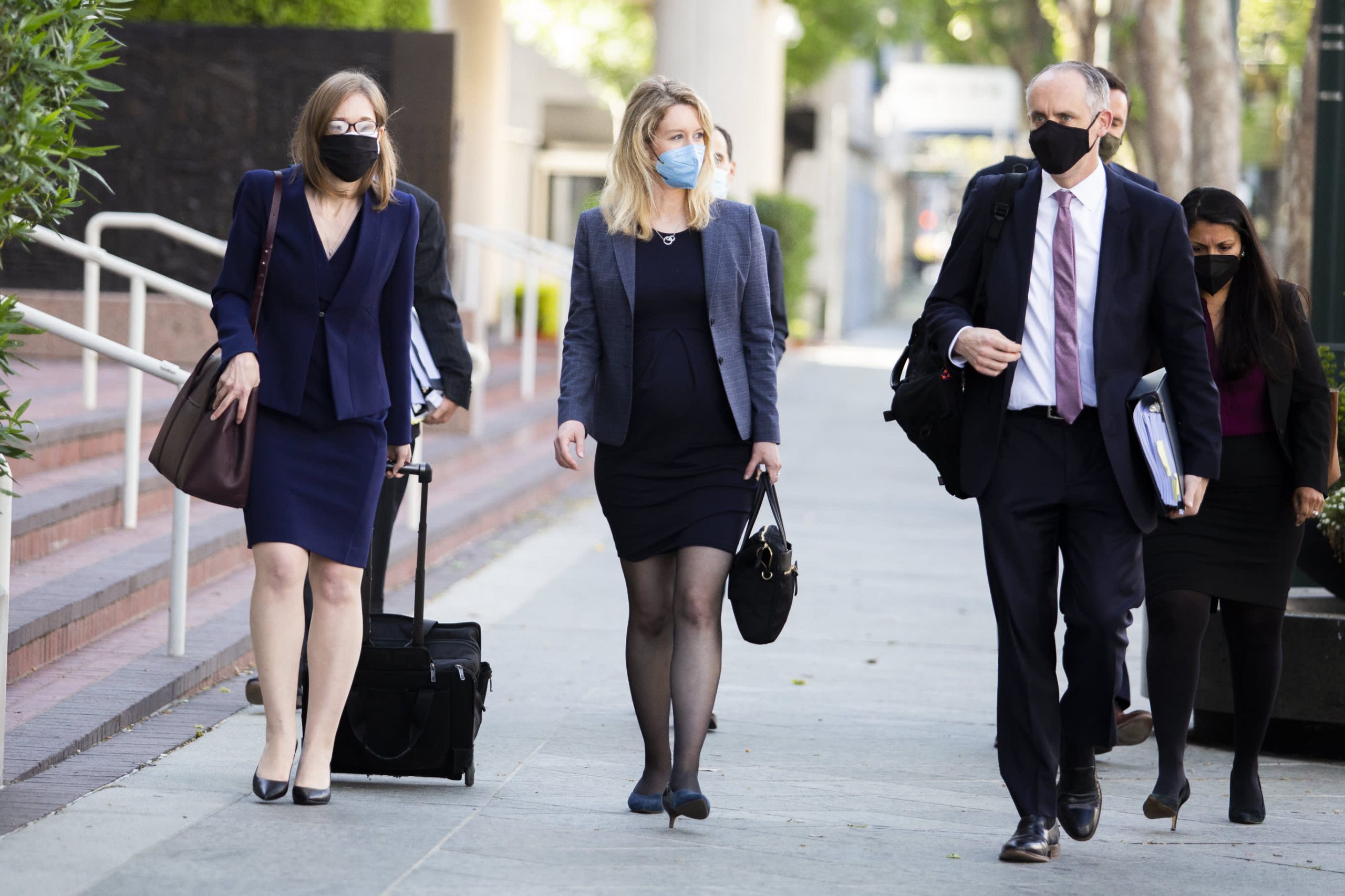
Elizabeth Holmes, founder and former chief executive officer of Theranos, center, exits U.S. federal court in San Jose, California on May 6, 2021.Nina Riggio | Bloomberg | Getty ImagesIn the case of Elizabeth Holmes apparently all publicity isn’t good publicity.Attorneys for the former Theranos CEO are citing widespread negative coverage as a reason to expand selection for the pool of jurors in her upcoming criminal fraud trial.A 21-page motion filed late Thursday spelled out example after example of highly descriptive and unflattering stories in the past several years about Holmes.”The publicity is pervasively negative,” lawyers for Holmes said. Adding she is, “routinely referred to in derisive and inflammatory terms that are directly relevant to the wire fraud charges in this case. Media coverage describes her as a ‘fraud,’ ‘fraudster,’ ‘con artist,’ ‘disgraced Theranos founder,’ ‘scam artist,’ and a ‘raging psychopath.'”Holmes is asking for expanded jury summons and has proposed a written jury questionnaire. Lawyers for Holmes wrote, “media coverage also trades on prejudicial tropes and recurring themes, often relating to Ms. Holmes’ demeanor, voice, and physical appearance.” They say the negative publicity traces back to at least 2015, and has “focused intensely on Ms. Holmes personally, not simply on the circumstances of Theranos’ corporate dissolution.”In the court filing, Holmes’ attorneys said they did a comprehensive search of news articles and other media which generated 462,000 entries. Among them included 3,755 results of “Negative Personal News,” and 2,862 results of “Negative Business News”.Attorneys for Holmes proposed a 46-page jury questionnaire, including topics ranging from working in the blood testing or medical industry to experience in the venture capital world.The questionnaire also asks if the potential juror has ever been the victim of fraud, had a bad experience with an investment or been involved in a dispute about misdiagnosis.Holmes dropped out of Stanford at 19 and founded Theranos, claiming its technology could accurately run thousands of tests with just a drop or two of blood. The former executive has pleaded not guilty to a dozen criminal wire fraud charges in connection with misleading patients and investors.The judge set a pre-trial hearing for June 15. Jury selection is set to begin on Aug. 31 in San Jose.

Daily News spinoff stirs anxiety post Alden takeover

Rapid-fire changes underway at newspapers sold to cost-slashing hedge fund Alden Global Capital have led to a profound case of the jitters at newsrooms like the New York Daily News.

On Monday, Daily News staffers were hit with the first bout of potentially bad news when they were told via memo that they had been spun off into a separate subsidiary of Tribune Publishing called Daily News Enterprises.

The baffling move, which doesn’t appear to have been replicated at any other Tribune paper, came the same day Alden fired Tribune CEO Terry Jimenez, the lone board member to oppose the Alden takeover.

Concerns were only heightened after Alden Global offered buyouts to non-unionized workers at the Daily News and eight other metro dailies, including the Chicago Tribune, the Baltimore Sun and the Hartford Courant.

The Chicago Tribune reported that the new owners had contacted the paper’s representatives at the NewsGuild union to discuss voluntary buyouts for journalists, but then canceled a bargaining session in the wake of its $633 million takeover.

Such moves have especially stirred angst at the News which laid off 98 people, including half of its entire newsroom back in 2018, under the old ownership. It’s now down to just under 65 newsroom staffers.

As one former insider put it, “What’s left to cut?”

The pandemic has whacked the circulation all newspapers. But circulation at the Daily News has plunged far faster than others.

And while local buyers had sought to buy other newspapers in the chain, nobody stepped up to try to buy the Chicago Tribune or the Daily News. Both papers have huge pension liabilities and experts say that potential new owners were skittish.

Any new owner is likely to be fearful of getting stuck with an enormous tab in the event the enterprise has to be sold or shut down.

Media Ink could not learn exactly how high are the pension liabilities at the Daily News. Several sources estimated they could be close to $100 million. But another said it could be as low as $20 million.

One reason for the range, according to some pension experts, is the potential for a pension shortfall compounded by termination fees and other penalties that come when a company tries to withdraw from a multi-employer pension plan.

In some ways the pension liabilities, while they discourage buyers, also may make it too expensive to close down since shutdown costs will likely exceed the operating loss.

“It is entirely possible, even likely, that it will be more expensive to shut down a business than to operate it at a modest loss,” said Harvey Katz, a partner and pension specialist at the law firm Fox Rotchschild LLP.

Daily News staffers were worried that by singling it out as the only entity among the nine major metro dailies to be spun off into its own subsidiary, it was being set up for a potential shutdown.

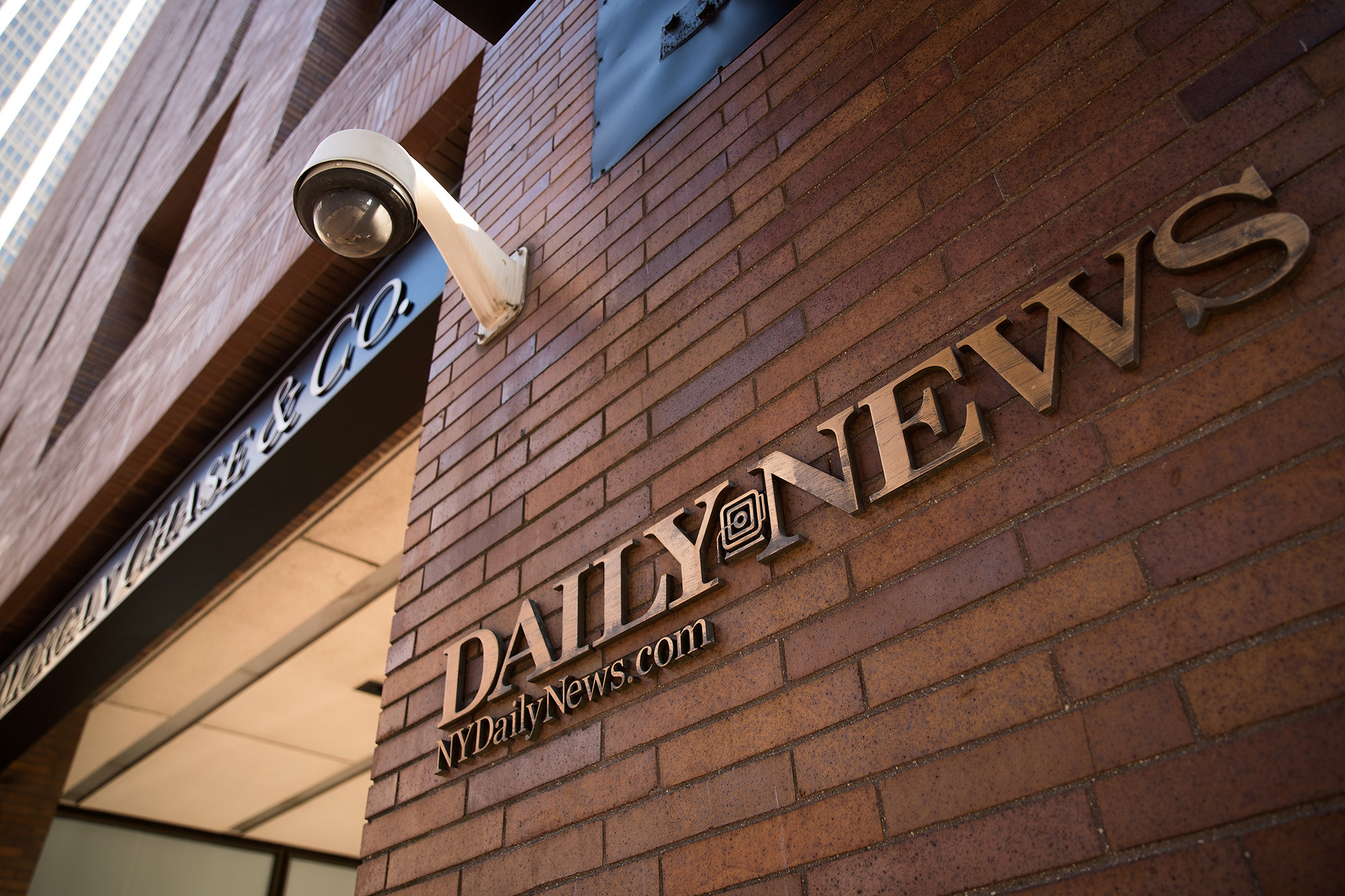
The facade of what was once Daily News headquarters in Midtown Manhattan. The paper sold more than 2 million copies daily during its heyday. Getty Images

But Katz said if a profitable company were to set up one of its struggling units as a separate company, the parent company would still be left holding the bag. “Moving it to an entity that has only losses will be set aside by the courts,” said Katz.

Some of the most elderly pressmen and truck drivers go back to the days when the Daily News was the biggest newspaper in the country, selling more than 2 million daily copies and nearly 5 million on Sunday in the boom era in the 1940s and 50s.

All daily papers in the metro area saw print sales decline during the pandemic. But the Daily News lost readers at near triple the rate of The Post and double the rate of The Times. Its weekday print circulation dropped a staggering 33.5 percent to 67,983, down from 102,281 in the same period a year earlier.

Fred Drasner, a former partner with Mort Zuckerman who exited in 2004, commented, “Under 68,000 copies a day? They used to steal more copies than that from me each day.”

On the new ownership, Drasner said, “If they were bought by a ruthless cost cutter, I guess there will ruthless cost cutting.”

The News also enacted a steep price hike to $3 a copy, which has led to speculation that Alden, which had 32 percent of the stock and three seats on the Tribune board prior to its takeover, had been deliberately trying to crash circulation to justify abandoning print down the road.

Heath Freeman, now head of Alden Global Capital, at a 2011 event. PatrickMcMullan.com

Heath Freeman, the 41-year-old president of Alden, is the sole voting shareholder in the new company.

Daily News editor-in-chief Robert York addressed some staffers’ questions at a remote Zoom meeting Tuesday, but could not offer a reason for the spin off into a separate subsidiary, sources said.

York did not return emails seeking comment. A Tribune spokesman had also not returned calls.

In one of its last public filings, Tribune disclosed that Cerberus has loaned Alden $218 million in part “to finance the merger” of the formerly debt-free company.

Alden also controls newspaper chain Media News Group–also known as Digital First Media. Media News holdings — from the Denver Post to the Boston Herald and the San Jose Mercury — have also been hit with deep cuts in the Alden era.

To finance the latest deal, Alden’s MNG Enterprises, Inc. loaned $60 million to its parent hedge fund at the sky-high interest rate of 13 percent.

Calls to Alden Global Capital were not returned at the time of writing.

WarnerMedia CEO Jason Kilar is sticking around — for now

WarnerMedia CEO Jason Kilar — whose future has been in doubt since AT&T’s $43 billion deal to spin off its entertainment unit — will remain at the helm of the company until mid-2022, it emerged on Thursday.

Kilar has told staffers that he will continue in his current role as WarnerMedia CEO for the next 12 months, which is roughly when the media company’s merger with Discovery is expected to close, sources said.

Kilar, who only took the WarnerMedia job last April, made the surprise announcement Thursday at a celebration of the one-year anniversary of WarnerMedia’s streaming service HBO Max, according to the Wall Street Journal, which first reported the news.

Kilar, who recently became eligible for $53 million in cash and stock options, stands to pocket his entire annual $2.5 million salary and his targeted bonus if terminated after two years on the job, according to to AT&T SEC filing in March. His severance after one year would have included unpaid salary and a prorated bonus subject to performance.

“My plan and my focus is to remain here in my CEO role at WarnerMedia,” Kilar reportedly said. “I am not thinking right now about post-merger. There will be a time to consider that topic in 2022.”

“I believe we have unfinished business and the work of the next year can and should be extremely fulfilling as the world continues to see what we are capable of doing,” Kilar reported said.

WarnerMedia confirmed the news but declined to comment further.

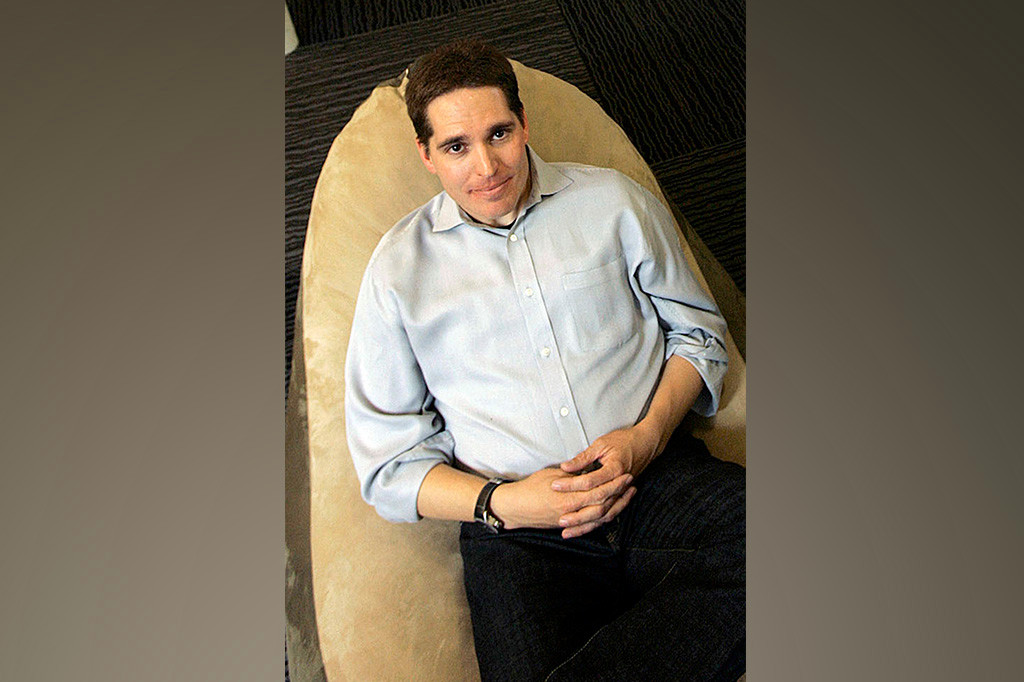
WarnerMedia CEO Jason Kilar was previously the founding head of Hulu.Bloomberg via Getty Images

Prior to Thursday’s announcement, sources had said Kilar was negotiating his exit package following AT&T’s May 17 announcement that it would merge the entertainment unit behind CNN, HBO Max and movie studio Warner Bros. with Discovery, which owns TLC, Animal Planet and The Food Network.

Kilar even reportedly hired a team of lawyers led by entertainment powerhouse Allen Grubman to negotiate his final pay package. Grubman did not return requests for comment.

The CEO, who joined WarnerMedia last May, was said to have been blindsided by deal talks between AT&T CEO John Stankey and Discovery boss David Zaslav, who will helm the company when it is combined in mid-2022.

Reporters honed in on the uncertainty of Kilar’s future during a press briefing on the deal last week. When Stankey was asked by reporters about Kilar’s role at the new company, he said the decision would be up to Zaslav.

“David’s got decisions he’s gotta make across a broad cross-section of how he wants to organize the business and who will be in what roles moving forward in this transition period,” he said.

Zaslav called Kilar a “fantastic talent” but didn’t offer any insight as to whether he’d keep Kilar, who had previously served as CEO of Hulu, onboard.

In Kilar’s brief time at WarnerMedia, he’s made meaningful changes in helping build HBO Max’s technical platform, but he has also ruffled feathers, sources told The Post last week.

Kilar quickly led a massive restructuring of WarnerMedia that sent well-respected division executives packing, including chairman Bob Greenblatt and chief content officer Kevin Reilly.

The exec also shattered the theatrical window by sending newly released Warner Bros. movies like “Tom & Jerry” directly to HBO Max a month after they premiered in movie theaters.

Although the move was meant to boost pandemic sales, it rankled Hollywood. Top brass also grew weary of HBO Max’s slow subscriber growth, sources said. In the most recent quarter, HBO Max and HBO notched 41 million domestic subscribers, a mere 8 million subscribers gain from a year earlier.

Tesla's move from radar to vision costs it some safety endorsements — for now

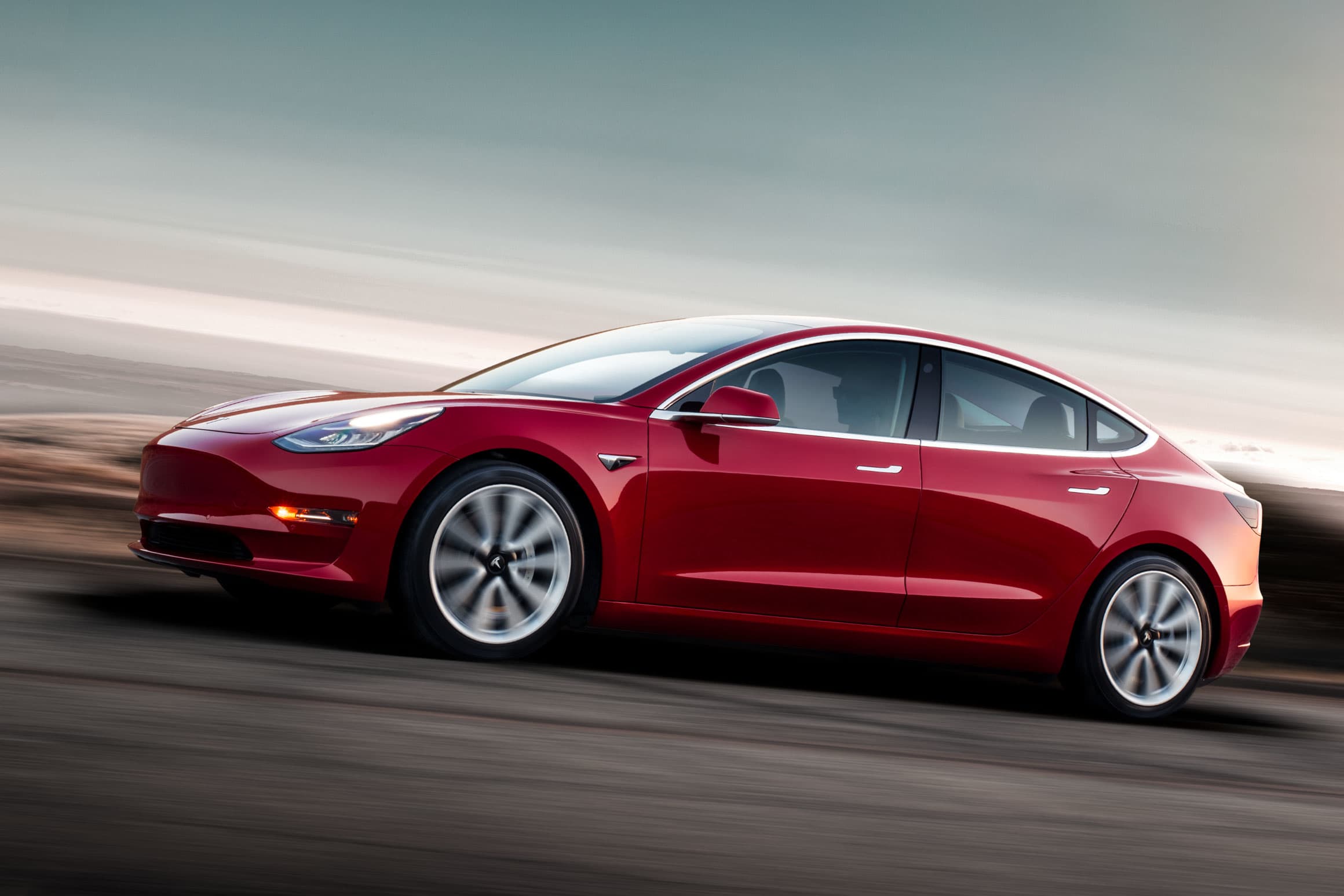
In this articleTSLATesla Model 3Source: TeslaWhen Tesla decided to exclude radar sensors from its newer Model 3 and Model Y vehicles in the U.S., it had to downgrade functionality in these cars at least temporarily. As a result, Consumer Reports and the Insurance Institute for Highway Safety are suspending some key safety endorsements for those cars.Consumer Reports said it no longer lists the 2021 Tesla Model 3 as a “top pick” and reported that IIHS also plans to remove the Model 3’s “Top Safety Pick+” designation. Losing these recommendations for now could impact Tesla’s sales and marketing strength. Automakers generally tout such industry accolades in communication with prospective customers.Jake Fisher, senior director of Consumer Reports’ Auto Test Center, told CNBC that Tesla can earn back its recommendations if it fully restores all functionality to its cars.The National Highway Traffic Safety Administration ratings pages for the Tesla Model 3 and Model Y vehicles built on or after April 27, 2021, no longer have check marks indicating the agency has tested safety features in the modified Teslas, including forward collision warning, lane departure warning, crash imminent braking and dynamic brake support.Fisher notes that crash imminent braking, also known as automatic emergency braking, and forward collision warning are currently standard on almost three-quarters of 2021 passenger vehicles. Consumer Reports has not yet tested the radar-less version of the Tesla vehicles, he confirmed.As CNBC previously reported, Elon Musk’s electric car company announced Tuesday that it would exclude radar sensors from 2021 Model 3 and Model Y vehicles starting in May this year for customers in North America.Its higher-priced Model S and X vehicles, and Model 3 and Model Y cars made for markets beyond North America, still have radar technology on board.In its announcement, Tesla said the modified cars would now use a camera and machine learning software-based system, Tesla Vision, to enable driver assistance features. Tesla markets these as Autopilot, its standard option, and Full Self-Driving, its premium option. Neither system makes Tesla vehicles autonomous.Tesla also cautioned customers their new Model 3 or Y “may be delivered with some features temporarily limited or inactive” for an unspecified but short period of time as Tesla rolls out its new system.Radar was previously deemed an essential part of Tesla’s advanced driver assistance systems. In a 2016 blog post, now deleted from Tesla’s website, the company wrote:”The most significant upgrade to Autopilot will be the use of more advanced signal processing to create a picture of the world using the onboard radar. The radar was added to all Tesla vehicles in October 2014 as part of the Autopilot hardware suite, but was only meant to be a supplementary sensor to the primary camera and image processing system. After careful consideration, we now believe it can be used as a primary control sensor without requiring the camera to confirm visual image recognition.”Tesla did not respond to a request for further information.

Markets eerily silent amid surprise report on capital-gains tax hikes

President Biden’s budget proposal reportedly assumes that stiff new increases in capital-gains taxes took effect in April. That’s a surprise to many policy wonks, and some say the silence that has greeted the news is unsettling.

According to a Thursday report by the Wall Street Journal, taxes on capital gains for households making more than $1 million will skyrocket to 43.4 percent from the current 23.8 percent, effective retroactively to last month. He’s also planning to change the rules on unrealized capital gains held until death.

It’s the reported timing that was rocking the Beltway on Thursday. Optimists had reckoned that retroactive tax hikes are rare — as are hikes that take effect in the middle of a calendar year. (See the Clinton administration and World War I for precedents.)

But while tax lawyers and accountants are getting deluged with calls from stressed-out clients, markets have barely batted an eye. It may be that investors are clinging to the hope that it’s Congress that will ultimately decide, but the calm market response may be bad news for tax haters: A source close to the situation suggests the White House may be testing the waters by leaking the idea to the WSJ report before moving forward.

Key congressional Democrats aren’t ruling anything out. People close to top legislators say no decisions have been made but that Congress will likely follow the Biden administration’s lead. Political risk analysts are telling clients to watch Speaker Pelosi, Senate Majority Leader Schumer and Chairman of the Ways and Means Committee Richard Neal.

Analysts advise watching the actions of House Speaker Pelosi (foreground) and Senate Majority Leader Schumer (center) to determine if retroactive capital gains tax hikes will come to pass.Getty Images

“If any key Democrat directly or indirectly comes out and says we think it’s a good idea — then the market has to take it more seriously,” said Charles Myers of Signum Global Advisors. Myers adds he thinks the likelihood of retroactive taxes is greater than 50 percent but notes the Biden administration may settle on a lower rate for capital gains — like 30 percent instead of the proposed 43.4 percent.

The White House isn’t the only one floating retroactive taxes. New York state has proposed a tax hike that will be implemented retroactively to Jan. 1, 2021.

Still, others aren’t taking this news as well as the markets. “Biden is the most anti-taxpayer administration in history,” says James Lucier, managing director at Capital Alpha, a Washington-based policy research outfit.

Got a tip for On the Money? Email us at biztips@nypost.com.

How a hedge fund named Engine No. 1 delivered a massive blow to Exxon Mobil

Last December, when a week-old hedge fund named Engine No. 1 challenged Exxon Mobil to change its ways, laughter echoed through Wall Street circles, from the fund’s name that recalled a famous children’s book to its tiny, then-$40 million stake in what was once the world’s largest publicly traded company.

Just six months later, the fund delivered a massive blow that rippled throughout the oil-and-gas industry. Engine No. 1′s campaign forced Exxon to accept new board members who could bring about a reckoning over its business strategy and confront the risk of global climate change that many investors say Exxon has long been reluctant to address.

Companies with a market value of $250 billion like Exxon rarely face, much less lose, shareholder battles. But stakeholders familiar with Exxon’s thinking said Wednesday’s defeat was years in the making due to ongoing weak returns.

Institutional investors had grown frustrated with the company’s approach to the energy transition, trailing global rivals who promised big spending on power generation, solar and wind. In addition, Exxon failed to recognize how the investment community had become more attuned to climate change issues, which helped Engine No. 1 sway big pension funds in California and New York to its side.

Sources familiar with the company’s strategy say that Exxon was late to mount a defense against Engine No. 1, and even when it did, it concentrated on the threat to the company’s generous dividend. But analysts had for months cautioned that Exxon’s hefty indebtedness could put that dividend at risk, making its warnings of the fund’s intentions less threatening.

“Exxon Mobil worked very hard to lose this battle” over years of inattention to climate change, said Robert Eccles, professor of management practice at Said Business School at Oxford University. In December, Eccles said he thought the activists had a chance to win a board fight.

Exxon did not respond to requests for comment. Company executives have said its scale and investment approach had weathered boom-bust cycles. In a statement on Wednesday, CEO Darren Woods said that Exxon has “been very actively engaged with our shareholders, sharing our plans and hearing their viewpoints and the key issues of importance to them.”

A spokeswoman for Engine No. 1 declined to comment.

ENERGY EXPERIENCE WANTED

When the newly formed Engine No. 1 announced its campaign in early December, Exxon Mobil was closing out a disastrous 2020 due to the coronavirus pandemic that would end with $22 billion in losses.

Engine No. 1 saw an opportunity to push for changes to the company’s board, which until this year had nobody – other than CEO Woods – with experience in the energy industry, with arguments about Exxon’s spending and lack of an energy transition plan.

The fund’s top executives Chris James and Charlie Penner undertook a lengthy effort to recruit potential directors with the credentials to challenge Exxon, according to people familiar with the matter, eventually settling on four people all with energy experience.

The fund was able to tap into investors’ discontent to turn the fight into a climate referendum that cost the two sides at least $65 million. CALSters, the California teachers’ retirement fund, supported the campaign from the beginning.

Exxon sought to blunt the fund’s nominees by expanding its board and adding director Jeff Ubben, who runs a sustainable investing fund. It also sought to calm investors’ climate concerns by increasing low-carbon initiatives and lowering the intensity of its oilfield greenhouse gas emissions.

The company also reversed course on a massive oil and gas expansion program, though analysts expect it to pick up the pace of spending next year.

By April, however, Engine No. 1 was lining up more allies. New York’s $255 billion Common Retirement Fund announced it would support the dissident slate of directors, following California’s $300 billion teachers retirement fund.

FOCUS ON DIVIDEND

Exxon was taking the threat more seriously by April, but focused on investor returns, warning in a shareholder letter that Engine No. 1 wanted the company “to pursue a vague and undefined plan – which we believe will jeopardize our future and your dividend.”

The company has long prized its dividend, which during pandemic-driven oil price lows grew to a yield of more than 10%. With the company’s debt load rising to more than $69 billion last year, analysts raised frequent questions about whether the dividend could be maintained as Exxon was being encouraged to cut costs.

“The biggest surprise to Exxon was how the ‘defend the returns’ strategy did not work,” said one source familiar with the company’s thinking.

The tide turned further against Exxon on May 14 after two near-simultaneous events. First was the release of a damning report from influential shareholder advisory firm ISS that criticized the company’s failure to adjust its spending plans.

“Investors have regularly highlighted concerns about preparedness for an energy transition, yet the board did not take action decisive enough to prompt recognition from the market until after launch of the dissident’s campaign,” ISS said.

That was followed by a television appearance from Woods on CNBC, where investors said he looked unprepared for host David Faber’s questions about the ISS report, Exxon’s strategy and the board’s lack of energy experience.

Exxon for years banked on the company’s size and steady dividend to blunt investor criticism, even as it made a series of risky investments such as its purchase of XTO Energy ahead of a sharp decline in natural gas prices and a 2017 purchase of Texas shale properties as oil prices were slipping.

New York State Comptroller Thomas DiNapoli, in a statement on Wednesday, said the fund for years wanted assurance that Exxon’s board took the climate crisis seriously “and was acting to put the company on a path to succeed in the low carbon economy, and for years received platitudes and gaslighting in response.”

Blackrock Inc (BLK.N), the world’s largest asset manager, which supported three of four dissident nominees, said in a statement on Wednesday that Exxon invested just $10.4 billion on lower-carbon energy technologies in the last 20 years, compared with more than $20 billion in overall expenditures in 2020 alone.

On Wednesday, the company recessed its annual general meeting for an hour, as it continued to count votes. Woods then answered pre-selected questions from investors for 40 minutes, far more than the previous year’s annual meeting.

Among the questions was one about an International Energy Agency report that warned that investors should not fund new fossil fuel supply projects beyond this year if the world wants to reach net zero emissions by mid-century. Woods, however, said that “if you look at the report, it outlines the continued need for investment in oil and gas.”

Salesforce growth accelerates as company offers strong guidance for coming fiscal year

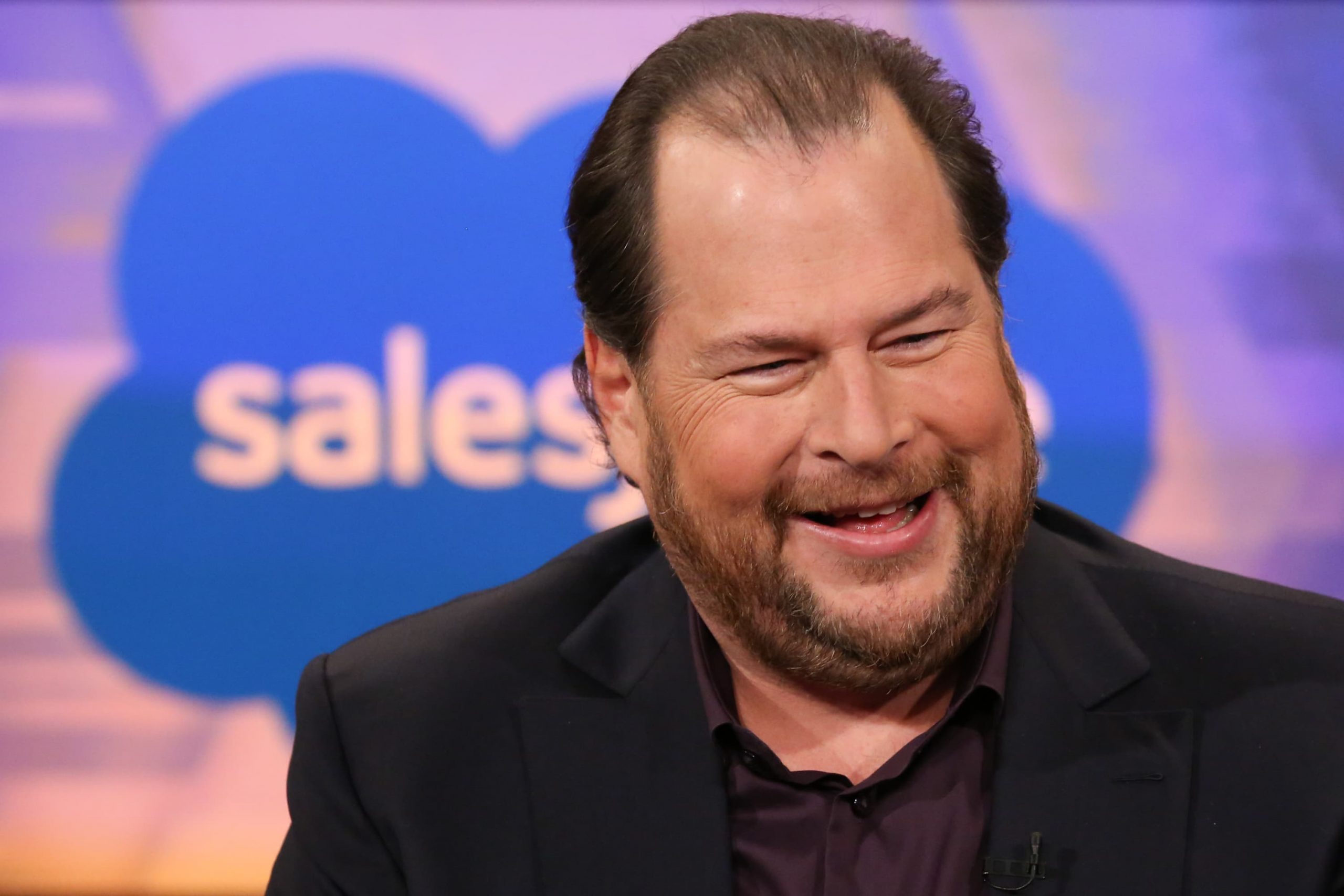
In this articleCRMMarc Benioff, CEO of Salesforce.Adam Jeffery | CNBCSalesforce shares rose 5% in extended trading on Thursday after the cloud software maker issued earnings and guidance that surpassed analysts’ expectations.Here’s how the company did:Earnings: $1.21 per share, adjusted, vs. 88 cents per share as expected by analysts, according to Refinitiv.Revenue: $5.96 billion, vs. $5.89 billion as expected by analysts, according to Refinitiv.Revenue grew 23% year over year in the fiscal first quarter, which ended April 30, the company said in a statement. In the previous quarter revenue increased by 20%.The Platform and Other segment that includes the MuleSoft and Tableau products, currently Salesforce’s top segment for subscription and support revenue, contributed $1.75 billion in revenue, up 28%.Salesforce’s core Sales Cloud product that salespeople use to track business opportunities delivered $1.39 billion in revenue, up 11%. In the quarter Salesforce acquired professional-services company Acumen Solutions and announced voice features for its Service Cloud offering. The company also said over 150 government agencies and health-care organizations were using its software to manage the distribution of vaccines.With respect to guidance, Salesforce said it sees 91 cents to 92 cents in adjusted fiscal second-quarter earnings per share on $6.22 billion to $6.23 billion in revenue. Analysts polled by Refinitiv had been looking for 86 cents in adjusted earnings per share and $6.15 billion in revenue.Salesforce called for $3.79 to $3.81 in adjusted earnings per share in the full 2022 fiscal year, with $25.9 billion to $26.0 billion in revenue, or 22% growth. Consensus among analysts polled by Refinitiv was $3.43 in adjusted earnings per share and $25.76 billion in revenue. The expected full-year adjusted operating margin widened to 18% from 17.7% as revenue guidance increased by $250 million at the middle of the range.The full-year guidance includes a contribution of $500 million in revenue from team communication software app Slack, a $27.7 billion acquisition expected to close right at the conclusion of the quarter that ends on July 31. That expected contribution is $100 million lower than Salesforce had predicted in February, because the company has updated its forecast on when the deal will close. Notwithstanding the after-hours move, Salesforce stock is up less than 2% since the start of the year, while the S&P 500 index has risen almost 12% over the same period.Morgan Stanley analysts upgraded their rating on Salesforce stock to the equivalent of buy from the equivalent of hold earlier this month. “While concerns on M&A appetite and durable margin expansion may linger, leading franchises do not stay cheap for long, particularly amidst the strong demand backdrop we foresee over the next several years,” they wrote.Executives will discuss the results with analysts on a conference call starting at 5 p.m. Eastern time.This is breaking news. Please check back for updates.WATCH: Jim Cramer on Nvidia, Salesforce and Williams-Sonoma