TokyoTokyo Mon - Fri 10:00-18:00 +81 (366) 701-751
info@mountequitygroup.com

Blog

Bitcoin over bonds: Billionaire Ray Dalio reveals he owns crypto

Billionaire investor Ray Dalio revealed Monday that he has some skin in the game on bitcoin — and said he’d rather invest in cryptocurrencies than buy bonds. 

“I have some bitcoin,” said the founder of Bridgewater Associates, the largest hedge fund in the world. He did not say how much he owned.

He added in a pre-recorded interview with CoinDesk that as bitcoin becomes more popular, investors might choose to put their savings in the crypto rather than government-backed bonds.

“Personally, I’d rather have bitcoin than a bond,” said Dalio, who has been vocal about his displeasure with the low payout from bonds, especially during times of high inflation. The interview was recorded on May 6.

Dalio made his comments before the past week of whiplash that’s struck the cryptocurrency market. 

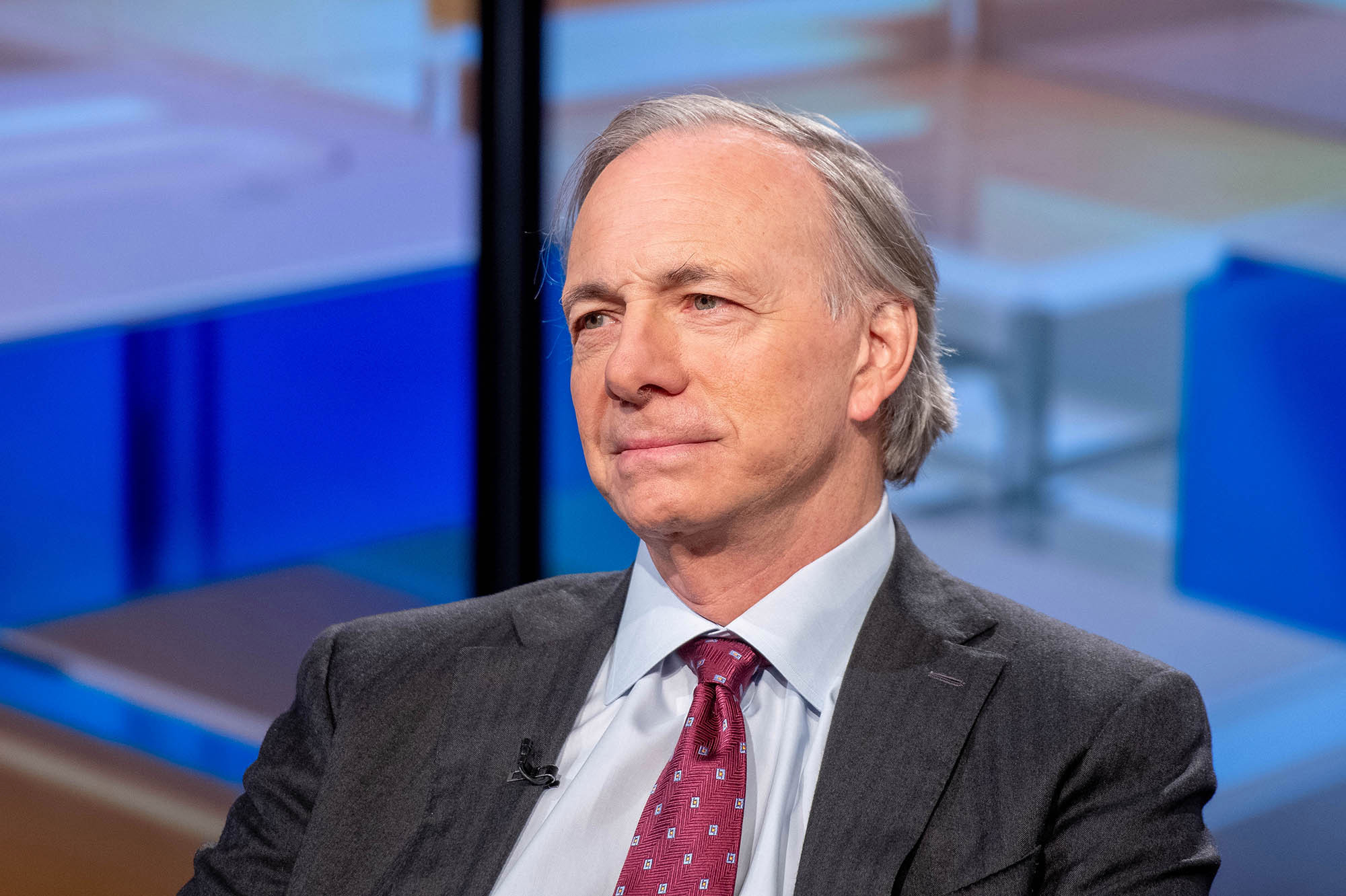
Ray Dalio did not reveal how much of his wealth is invested in bitcoin.Getty Images for TechCrunch

When Dalio’s remarks were recorded earlier this month, bitcoin was trading at about $57,000 per coin, near the crypto’s peak. Last week, the digital currency fell below $40,000 per coin and nearly touched $30,000 before starting this week off with a comeback. 

Bitcoin’s price was up more than 18 percent Monday afternoon to about $37,400 per coin. 

Dalio’s disclosure that he owns some of the crypto also came with a warning. He said governments could be increasingly threatened by the rise of bitcoin and the effects it might have on state monetary systems. Governments might seek to crack down on the sector, Dalio added, because as the crypto becomes more popular than bonds, governments could lose control over their ability to raise money.

“Bitcoin’s greatest risk is its success,” he said.

Last week, bitcoin fell below $40,000 per coin.Anadolu Agency via Getty Images

Investors have already seen some regulatory developments around cryptocurrency since Dalio’s remarks were recorded. 

Last week, both the Federal Reserve and the Treasury Department signaled a crackdown could be coming for cryptos, with the Fed announcing it would explore releasing its own cryptocurrency. The Treasury Department said it will require any crypto transfer worth $10,000 or more to be reported to the Internal Revenue Service, adding that crypto transactions represent a tax flight risk. 

And authorities in China last week called for a crackdown on “mining” and trading, saying that greater regulation is needed to protect the country’s financial system and economy.

Ray Dalio warned the government could be threatened by the rise of bitcoin and crack down on cryptocurrencies.Getty Images

Dalio warned about looming regulation back in January in a blog post titled “What I Think of Bitcoin.”

“I suspect that Bitcoin’s biggest risk is being successful, because if it’s successful, the government will try to kill it and they have a lot of power to succeed,” Dalio wrote.

Peloton to build first US factory in Ohio

Home fitness equipment maker Peloton Interactive said on Monday it would build its first factory in Ohio and start production in 2023.

Peloton said it would commit about $400 million to the facility.

The New York-based company will break ground in summer 2021 and create about 2,000 jobs, CNBC first reported.

Peloton had a product recall earlier this month because of child safety concerns.

Airbnb announces a big new update focused on flexibility — here's what's new

In this articleABNBThe Airbnb logo is seen on a little mini pyramid under the glass Pyramid of the Louvre museum in Paris, France, March 12, 2019.Charles Platiau | ReutersAirbnb announced more than 100 new changes and updates to its platform Monday with a focus on flexibility, ahead of a widely anticipated boost in travel as the Covid-19 pandemic continues to subside in some parts of the world.The stock was up about 1% in the early afternoon.The changes come on the tail of Airbnb’s first-quarter earnings. While its net loss tripled due to debt repayments and restructuring costs, it reported 64.4 million nights and experiences booked, up 39% from the prior quarter and up 13% year over year, showing the company was rebounding from the impact of the pandemic. During Airbnb’s earnings call earlier in May, CEO Brian Chesky said the company was going to work to point demand from customers to where it knows it has the supply from hosts. The changes may help it do that.Chesky said Monday that Airbnb is also making the updates because people are less tethered to home and work, are traveling more frequently and are staying at their travel destinations longer.AirbnbChanges for Airbnb guestsAirbnb is adding three new search options, including flexible dates, destinations and listings.The flexible matching feature will show options that fall just outside a user’s search parameters. For example, a listing will still appear in search even if it’s slightly more expensive or a few miles outside the original range.With flexible destinations, Airbnb’s app or website might recommend certain unique types of homes, such as castles or adobe houses, in search.The flexible dates feature began to roll out in February and lets users search for a destination without a specific time constraint. That means it’s easier to search if you just want to travel and are open on the week or month of availability.Airbnb said it’s also launching a faster checkout process, updated review systems and clearer cancellation policies. Guests will receive a new arrival guide, which provides information such as door codes, Wi-Fi instructions and directions to the property.AirbnbChanges for Airbnb hostsAdditionally, Airbnb is making changes for hosts that may help attract more people to list their homes.People who want to create a listing, for example, now have to follow just 10 steps instead of dozens to get started.A new Today tab lets hosts manage bookings, requests and current guests and will provide quick access to the most popular Host tools, Airbnb said. Messages received by hosts will load faster and will include support for Quick Replies, which lets hosts send an answer to a frequently asked question.Airbnb said it’s doubling the number of customer support representatives this summer and that Superhosts will have a dedicated support team. Experienced hosts will get priority access to the “most experienced” help agents.Subscribe to CNBC on YouTube.

Stocks jump after two weeks of losses as bitcoin climbs 13 percent

Stocks are broadly higher in morning trading on Wall Street Monday as investors regained an appetite for risk after the market notched two straight weeks of losses.

The S&P 500 index was up 1.1 percent as of 11:20 a.m. Eastern. The Dow Jones Industrial Average rose 215 points, or 0.6 percent, to 34,423, and the Nasdaq Composite was up 1.5 percent.

Technology stocks were among the bigger gainers, particularly semiconductor companies. Nvidia and Micron both rose more than 2 percent. Communications stocks, like Facebook, and a variety of companies that rely on direct consumer spending also made solid gains. Sectors that are viewed as safer investments, like utilities, lagged the broader market.

Investors continue to watch for potential signs of inflation as the economic recovery continues in the waning days of the US coronavirus pandemic.

Earnings season at this point is near its end. Investors will get results from Dell and Salesforce.com this week, among a few others.

There’s only a handful of economic reports this week, including monthly home sales. On Friday, investors will get another reading on inflation in the form of the Commerce Department’s personal consumption and expenditures index. “Core PCE,” as it is known, is the preferred way Federal Reserve policymakers choose to measure inflation in the US instead of the more widely known Consumer Price Index that’s reported earlier in the month.

Economists surveyed by FactSet expect Core PCE to be up 3 percent from a year ago, which would be above the Federal Reserve’s targeted level for inflation.

The yield on the 10-year Treasury note fell to 1.59 percent from 1.63 percent Friday.

Digital currencies like bitcoin were volatile once again after plummeting over the last two weeks. Bitcoin rose 13 percent, to around $38,000, according to Coindesk. It was worth nearly $65,000 a month ago.

Virgin Galactic jumped 15.6 percent after the company made its first rocket-powered flight from New Mexico to the fringe of space in a manned shuttle over the weekend.

Feds seize websites pretending to sell COVID vaccines

Scammers are falsely claiming to sell COVID-19 vaccines online — and the feds are fighting back. 

The US Attorney’s Office in Maryland seized a website, COVIDReliefSociety.org, that claimed to sell coronavirus vaccines and offer same-day delivery around the world, the office said Thursday.  

After it was registered in December, the website allegedly used imagery from vaccine maker Moderna while collecting users’ personal information for purposes including fraud, deployment of malware and phishing attacks.

The seizure is the 10th coronavirus-related fraud site the Maryland US Attorney’s Office has taken down in recent months, the office said. 

“It is reprehensible that fraudsters are trying to prey on unsuspecting residents and their families,” said acting US Attorney Jonathan F. Lenzner in an announcement of the seizure. “Remember that the COVID vaccine is not for sale, and the federal government is providing the vaccine free of charge to people living in the United States.” 

Authorities are acting fast to seize scam phishing websites offering to sell coronavirus vaccines.Maryland U.S. Attorney’s Offic

Earlier in May, authorities took down freevaccinecovax.org, which also allegedly imitated a vaccine distributor in order to collect users’ information. 

Both sites now display announcements saying they have been seized by law enforcement groups including Homeland Security, the United States Postal Inspection Service and the Food and Drug Administration’s Office of Criminal Investigations.

In addition to vaccines, feds have warned about scammers shilling fake COVID-19 test kits and ineffective or nonexistent personal protective equipment. Fraudsters have also reportedly targeted veterans, offering to let them skip vaccine waitlists in exchange for cash. 

Phony vaccine sellers have been known to use images illegally downloaded from reputable pharmaceutical companies.AP

“All a bad guy needs to defraud thousands of Americans in search of COVID-19 information is the ability to create a website combined with malicious intent,” said James Mancuso, a Homeland Security special agent in Baltimore. “We must make an example of these perpetrators in order to deter others from committing these crimes against an unsuspecting and vulnerable Internet user.”

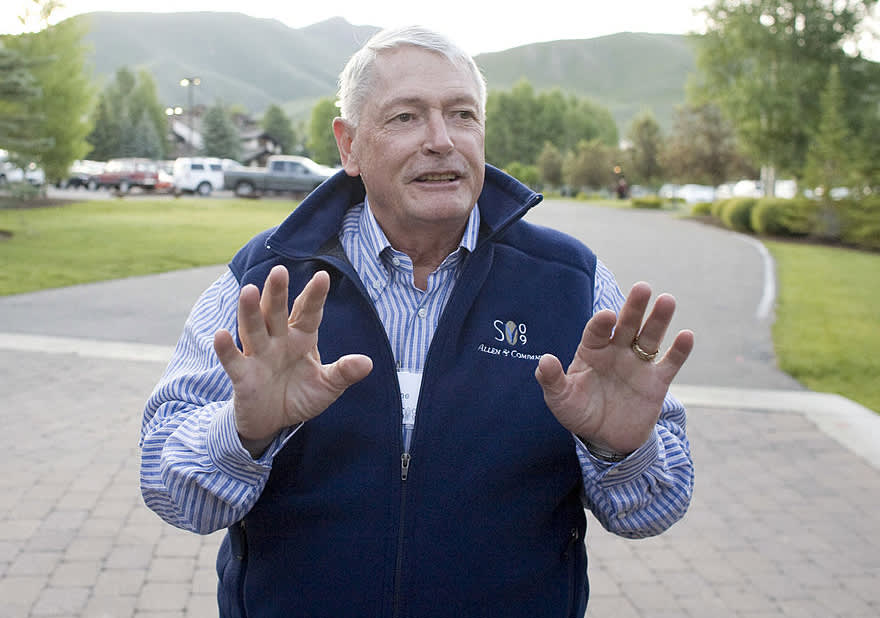
John Malone sees merged WarnerMedia-Discovery becoming No. 3 global streamer behind Netflix, Disney+

In this articleTDISCADISNFLXThe blockbuster WarnerMedia-Discovery deal is especially good news for HBO Max, billionaire media mogul John Malone told CNBC’s David Faber.In an interview that aired Monday, Malone said his previous reservations about HBO Max’s ability to be a dominant player in the crowded digital-streaming landscape will be addressed once the AT&T-owned service is under the same roof as Discovery.”I thought they were going to struggle with getting the kind of subscriber growth in the U.S. that they were hoping for. And I think, in fact, that’s true,” said Malone, a Discovery board member whose voting stake in the company is more than 25%.Malone thinks the new firm could join Netflix and Disney+ as a true global powerhouse.”I think we are not only going to be the third such platform, but I think we’ll be very competitive with the other two in terms of being able to satisfy the entertainment and curiosity and information needs of the world, basically, a worldwide platform,” Malone said.John MaloneMatthew Staver | Bloomberg | Getty ImagesDisney+ ended the fiscal second quarter with 103.6 million subscribers, according to the company. Netflix said last month it had almost 208 million subscribers worldwide.AT&T said in April that HBO and HBO Max had a combined  44.2 million subscribers in the U.S. and nearly 64 million globally.HBO Max, WarnerMedia’s flagship streaming property, debuted in the U.S. last May and plans an international expansion. In Malone’s view, that push will be aided by Discovery’s global know-how.”For me, the problem with HBO Max is it had no ability to go international at the time. The combination with Discovery, given Discovery’s existing presence, large presence in 200 countries around the world with a great brand, … to me, that’s the great upside,” said the cable TV pioneer and longtime chairman of Liberty Media.Malone made his comments in a wide-ranging interview with CNBC about the deal announced last week involving Discovery and AT&T’s WarnerMedia, which the telecom giant acquired less than three years ago.If the transaction receives regulatory approval, WarnerMedia’s various media and entertainment properties including CNN, HBO and the Warner Bros. studio would be spun out of AT&T and combined with Discovery’s brands including HGTV, Food Network and Discovery Channel.It would position the new company — which has yet to receive a new name — as a more formidable competitor in the fiercely competitive streaming video wars. In addition to WarnerMedia’s HBO Max, Discovery’s signature direct-to-consumer platform, Discovery+, launched in January.Malone confident in David Zaslav’s leadershipDiscovery CEO David Zaslav told CNBC last week he thinks the combined company could ultimately garner 400 million global streaming video subscribers — significantly more than any rivals.”Netflix is a great company, Disney is a great company, but we have a portfolio of content that is very diverse and broadly appealing,” said Zaslav, who will lead the new company.Malone said he has confidence in Zaslav’s management capabilities and believes in general that the tie-up between Discovery and WarnerMedia is beneficial. He also said he had no qualms about giving up his super-voting Discovery shares as part of the deal.According to FactSet, Malone owns more than 93% of Discovery’s class B shares, which account for 10 votes per share compared with one vote per share for class A. His ownership of those shares enables his significant voting power in the company. Discovery also has a third class of stock known as series C.The combined WarnerMedia-Discovery will have just one type of stock.”My reaction was fine, that I thought that the alphabet soup that we have had served its purpose, had protected the company and given it a long view for a number of years. It was time when its usefulness was coming to an end, so I was fine with that,” said Malone, whose Liberty Media spun out its ownership stake in Discovery Communications into a separate entity in 2005.Malone on AT&T CEO John Stankey’s ‘brave decision’AT&T’s decision to spin out WarnerMedia signaled the end of its attempt to pair a content-producing asset alongside a wireless phone company.Malone praised AT&T CEO John Stankey for pulling the plug on that integrated experiment, which some observers questioned from the moment the deal was initially announced in 2016. AT&T completed its acquisition of what was known as Time Warner in 2018 following a regulatory and court battle.”John Stankey showed a hell of a lot of courage in making this decision at this time because he found himself really chasing two capital intensive, very competitive rabbits,” Malone said.Stankey replaced Randall Stephenson as AT&T CEO in July 2020. He had been president and chief operating officer.”[Stankey’s] idea to refocus AT&T on their primary, traditional business and allowing other management to pursue, with a different balance sheet, the direct consumer opportunity was a brave decision,” Malone said.

Pro-Palestine activists sink Facebook app store ratings, claiming censorship

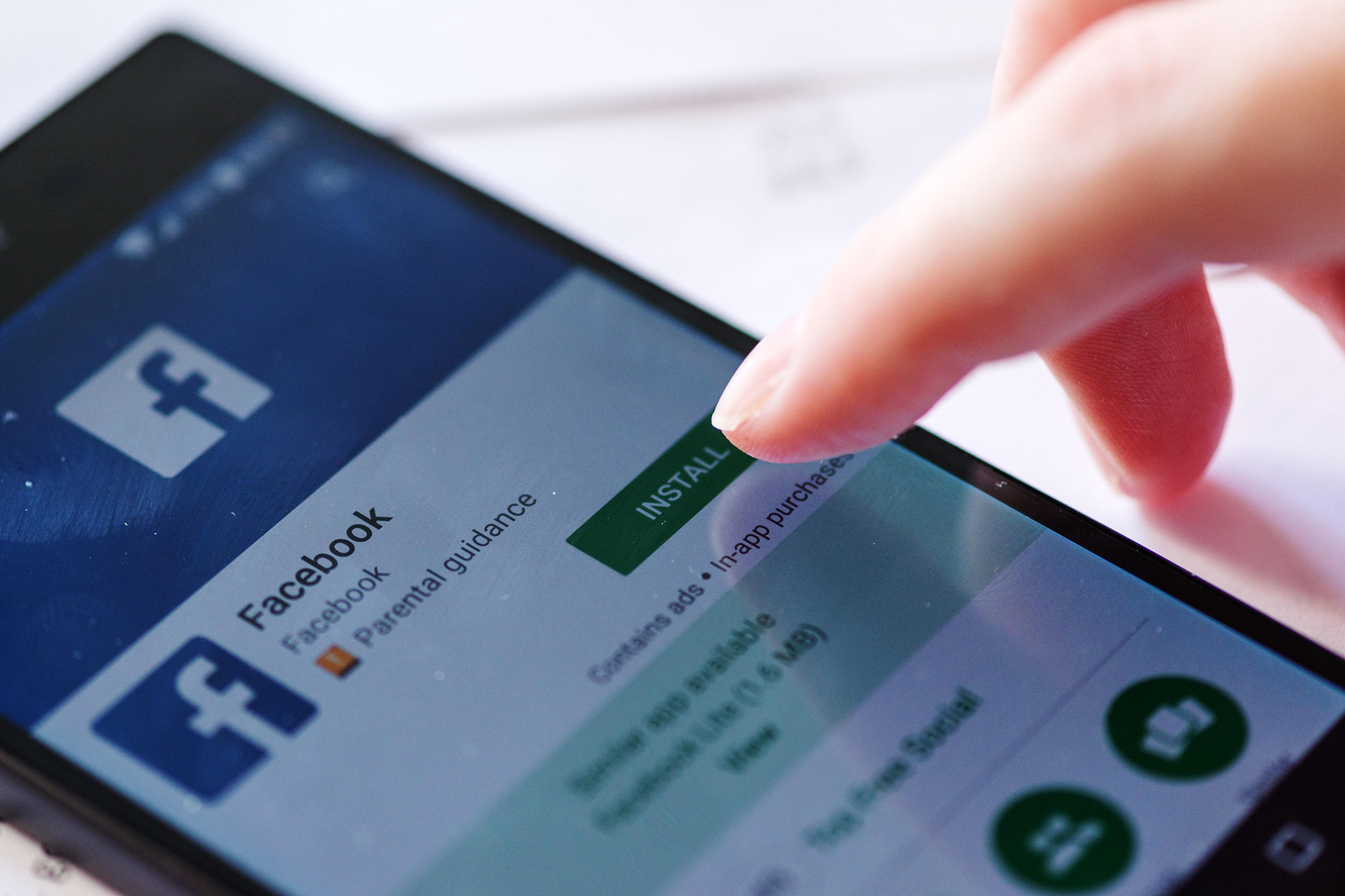
Pro-Palestinian activists claim that Facebook is censoring their posts — and are sinking the social network’s app store ratings by leaving one-star reviews en masse. 

The campaign, first reported by NBC News, comes amid an ongoing ceasefire agreement that Israel and Hamas brokered on Friday.

As of Monday morning, Facebook had a 2.4 out of 5-star rating on the Google Play store, down from 4.1 a month ago, according to an archived version of the site. On Apple’s app store, Facebook’s rating has fallen to 2.3 stars from 2.7 stars over the same period of time. The reviews sections on both app stores contain comments condemning the company for allegedly discriminating against pro-Palestinian posts and accounts. 

“Facebook shouldn’t try to lower our voices,” said Pakistani Twitter user Hamad Rajput, who has helped lead the online campaign, in a message to the Post. “We are raising and chanting the voices to raise awareness for good cause.” 

Facebook is taking the activists seriously, categorizing their campaign as a severe threat, according to NBC.

“User trust is dropping considerably with the recent escalations between Israel and Palestine,” said a senior software engineer in an internal message obtained by the outlet. “Users are feeling that they are being censored, getting limited distribution, and unlimitedly silenced. As a result, our users have started protesting by leaving 1 star reviews.” 

Facebook, Apple and Google did not immediately respond to requests for comment.

The Pro-Palestinian campaign against Facebook on app stores appears to be persisting despite the ceasefire between Israel and Gaza.Alamy Stock Photo

Despite Friday’s ceasefire, it appears that the Pro-Palestinian campaigners do not plan to stand down in their campaign against Facebook.

“Facebook does not support legal social support to religious minorities,” wrote an Apple App Store reviewer on the same day the ceasefire was announced. “Facebook is helping the Israeli government as a demand from the Israel prime minister to take down any content related to the genoside {sic} in Gaza.” 

The Palestinian activists’ complaints echo those of many American conservatives, who also claim that Facebook has a political agenda that leads the company to unfairly censor accounts and posts. 

Congress to hold hearing on SPACs as scrutiny builds over liability protections

Federal lawmakers are ramping up scrutiny of special purpose acquisition companies, or SPACs, with a hearing set for Monday as they consider legislation aimed at curbing liability protections for the industry.

The Securities and Exchange Commission has heightened its focus on SPACs in recent months through a series of public statements, new guidance and a Wall Street bank inquiry led by the agency’s enforcement team. Republican Sen. John Kennedy from Louisiana last month introduced a bill aimed at boosting transparency for investors in SPACs.

SPACs are shell companies that raise money via a listing to acquire a private company with the purpose of taking it public, sidestepping a traditional initial public offering process. Critics say banks and SPAC sponsors have reaped big payoffs at a cost to later-stage investors.

Monday’s hearing in a House Financial Services subcommittee is aimed at SPACs, direct listings and IPOs, according to a hearing notice published on Wednesday. The House is considering legislation that would redefine “blank check company” from a key 1995 law to include special purpose acquisition companies, according to the notice.

The law created a safe harbor that protects listed companies from shareholder litigation provided forward-looking statements are made in good faith, identified as such and couched in cautionary language.

The safe harbor does not protect IPOs or certain blank check companies, but sponsors have generally operated on the basis that it does apply to SPAC deals, and have leaned on it heavily to issue growth projections. The SEC has been mulling guidance that would curb these projections, Reuters reported earlier this month.

The prospects for the bill to become law are unclear, but it signals growing congressional attention on the industry.

Verizon offers free Apple Arcade and Google Play Plus for select unlimited subscribers

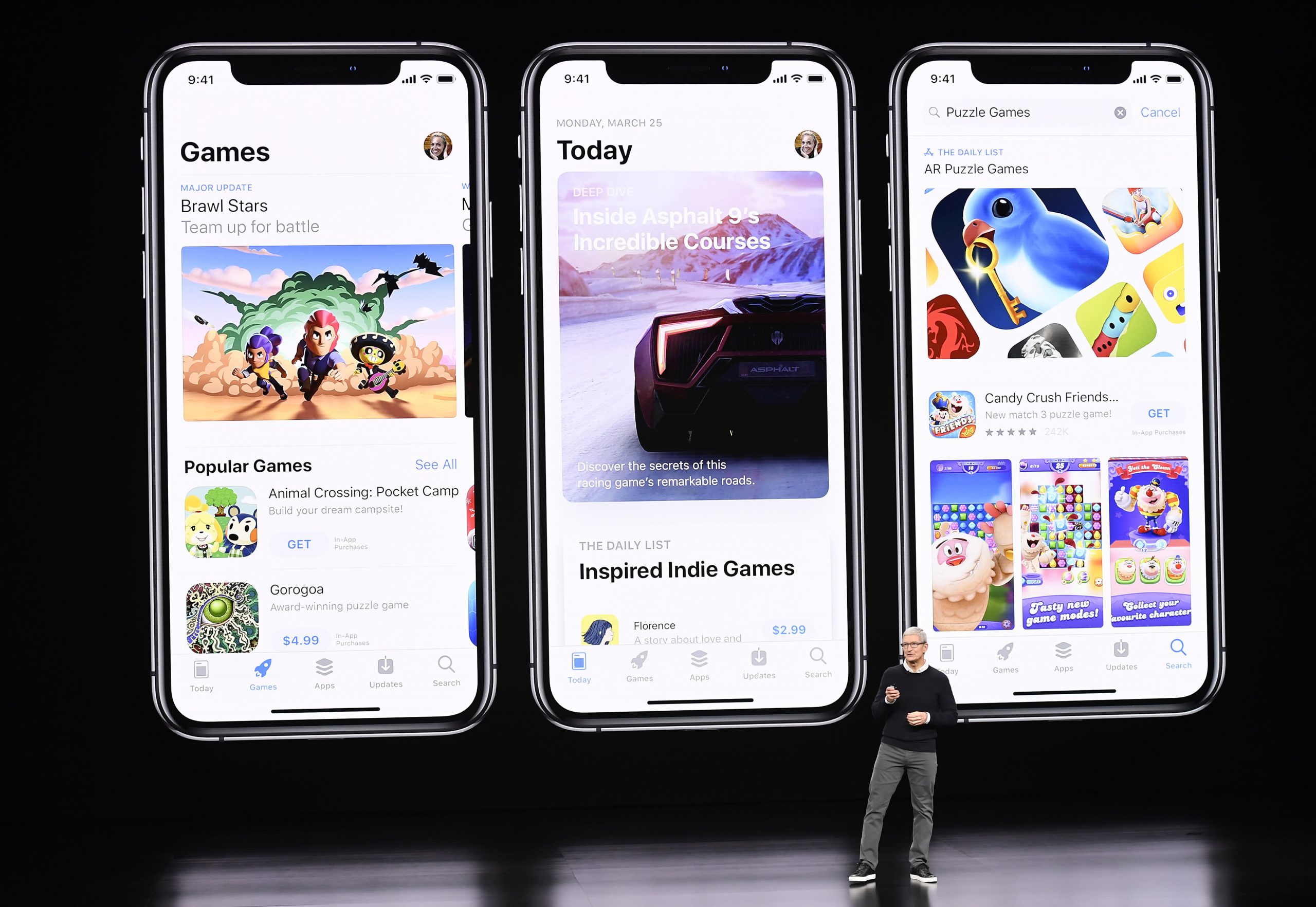
Tim Cook, chief executive officer of Apple Inc., speaks during an event at the Steve Jobs Theater in Cupertino, California, U.S., on Monday, March 25, 2019.David Paul Morris | Bloomberg | Getty ImagesVerizon said it is giving away six- and 12-month subscriptions to Apple Arcade and Google Play Plus as it adds more bundled content offerings to its wireless subscriptions.New and existing Verizon wireless subscribers will get six months free of either Apple Arcade or Google Play Plus with a line activation on select unlimited plans. Subscribers to Verizon’s “Play More” and “Get More” unlimited plans will get 12-month offers, the company said.Verizon has been adding content to its wireless subscription plans to differentiate from rivals AT&T and T-Mobile while attempting to become the primary point of contact for customers who enjoy bundling services. Verizon currently offers free Disney+, ESPN+ and Hulu, Apple Music, and one year of Discovery+ for certain unlimited plans.Verizon is trying to diversify bundles by offering gaming subscriptions in addition to TV content. Verizon previously ran a promotion for 12 months of PlayStation Plus and PlayStation Now last year. Free gaming also boosts Verizon usage and can showcase the speed of the company’s 5G network.For Apple and Google, the promotions will jumpstart new activations for consumers who still may not know about the subscription gaming services.Apple Arcade and Google Play Plus typically charge $4.99 per month for a subscription. Apple Arcade gives Apple users access to more than 180 games to play on iPhone, iPad, Mac and Apple TV 4K, including “NBA 2K21 Arcade Edition” and “The Oregon Trail.”Google Play Plus has more than 800 games and apps, including “Football Manager 2021 Mobile,” “Sonic the Hedgehog Classic,” and “Peppa Pig: Golden Boots.”WATCH: Verizon CEO Hans Vestberg on new initiative to close the digital divide

NFT of iconic ‘Charlie bit my finger’ video sells for over $760K

The iconic YouTube video “Charlie bit my finger” has sold as a non-fungible token for over $760,000 — becoming the latest piece of internet history to cash in on the NFT craze.

It’s unclear who won the auction, which took place on CharlieBitMe.com, but a bidding war between users “3fmusic” and “mememaster” sent the price soaring, before 3fmusic ultimately won out for $760,999. Bidding closed on Sunday. 

The YouTube video, which has been watched over 880 million times since it was posted in 2007, will be deleted from the site, the family behind the video previously told the Post. It was still online as of Monday morning. 

“NFTs is the new thing,” star of the video Charlie Davies-Carr, now 14, said in an interview last week with the Post from the family home in Marlow, England, about 30 miles from London. “When we posted, YouTube was the new thing, but now NFTs is the exciting new thing.”

“Charlie bit my finger” has been viewed on Youtube over 880 million times.NurPhoto via Getty Images

NFTs are digital assets that represent ownership of virtual items like art and sports memorabilia, acting as a certificate of authenticity. Ownership of NFTs is recorded on a blockchain network, which supports cryptocurrencies such as bitcoin and ether. 

Charlie and brother Harry, now 17, aren’t alone in their efforts to cash in on their early internet fame. Others, including the so-called Disaster Girl, have turned their pieces of internet history into NFTs and sold them at staggering prices.

The pieces of digital art, from memes and videos to virtual homes, have fetched eye-popping prices at auctions in recent months. The movement has caught so much attention that major, centuries-old auction houses like Sotheby’s and Christie’s have now sold NFTs.

People walk past CryptoPunk digital art non-fungible token (NFT) displayed on a digital billboard in Times Square on May 12, 2021 in New York City.on May 19. (Photo by Alexi Rosenfeld/Getty Images

“We were one of the first to embrace YouTube and we’re being one of the first to embrace NFT’s and cryptos,” Howard Davies-Carr, Charlie and Harry’s father who recorded and posted the original video when his sons were 1 and 3, told the Post last week.