TokyoTokyo Mon - Fri 10:00-18:00 +81 (366) 701-751
info@mountequitygroup.com

Blog

Barry Diller says Netflix won the streaming war years ago, and no one else will be able to compete

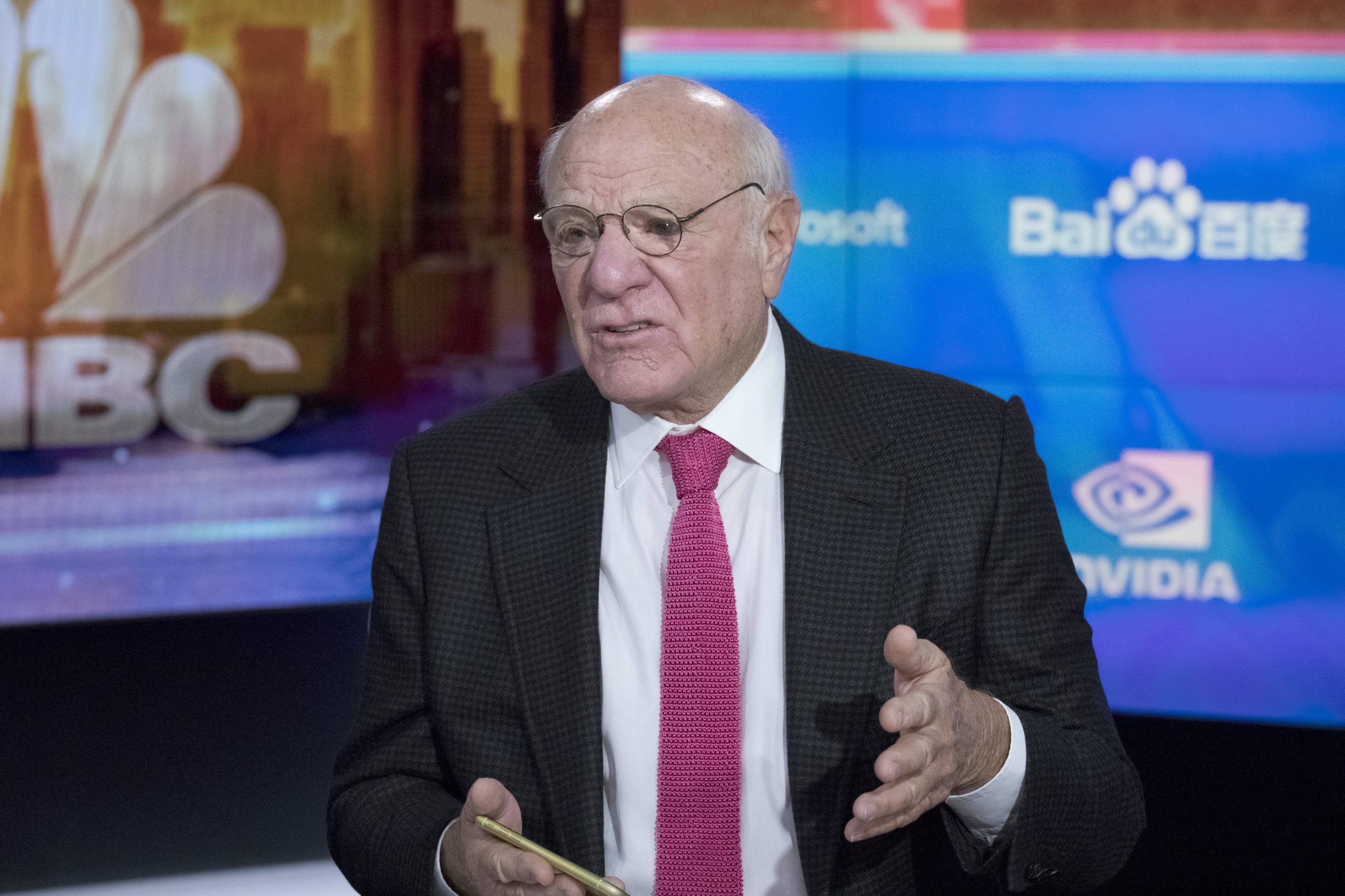
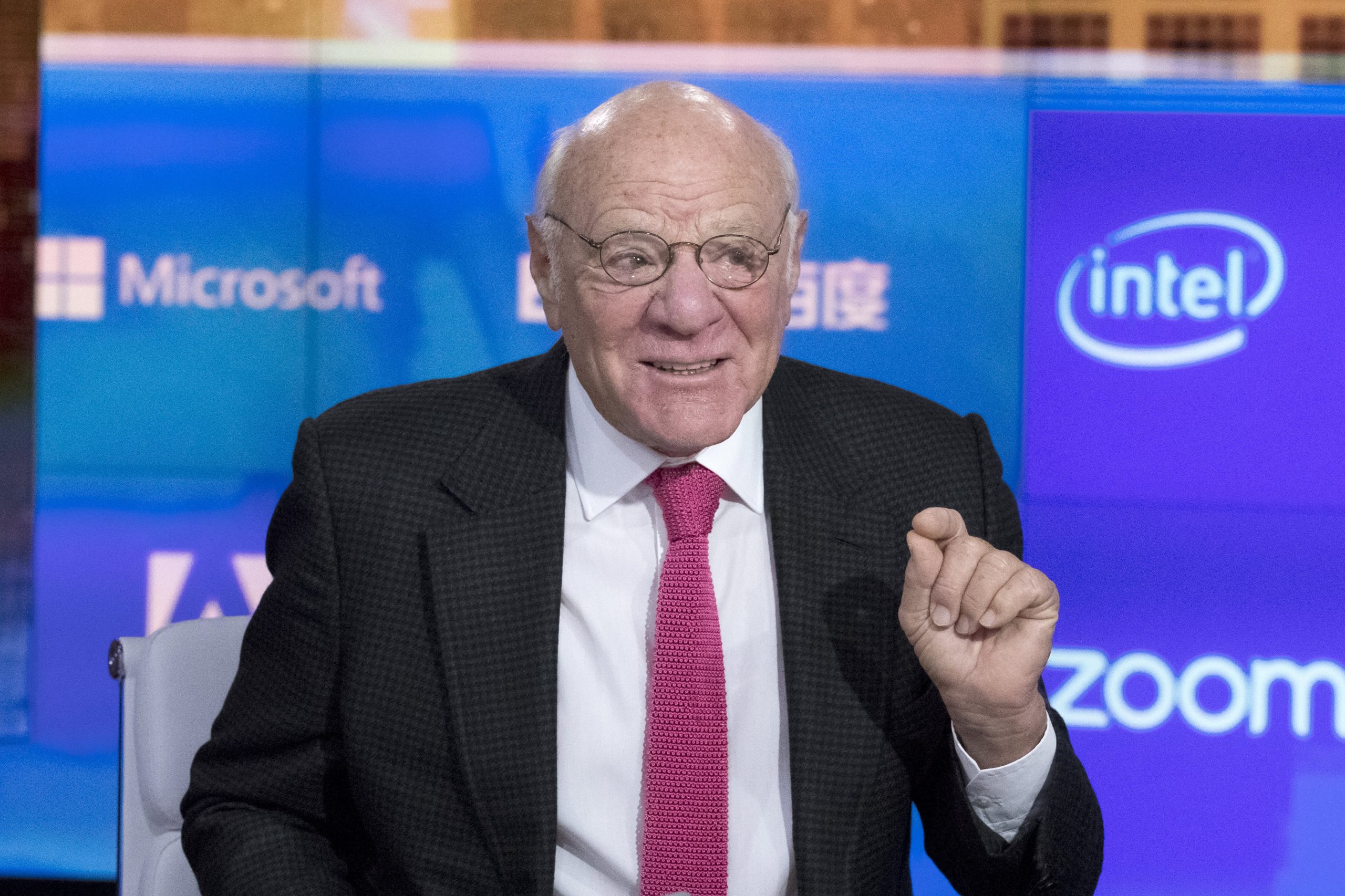
Netflix has already won the streaming wars, media mogul Barry Diller told CNBC on Friday.”Netflix won this several years ago, they’re the only ones who have the scale and momentum to keep making these somewhat lunatic investments in programming,” Diller, the chairman of IAC, said in an interview with Andrew Ross Sorkin. “You cannot compete with the momentum, the scale, no one will ever be able to do that.”Legacy media have jumped into the streaming space in recent years to win back customers and strengthen business. Disney’s Hulu and Disney+, Comcast NBCUniversal’s Peacock, ViacomCBS’ Paramount+ and AMC Networks’ AMC+ have all jumped onboard to transition their aging television-focused businesses .Most recently, AT&T announced a deal to combine its content unit WarnerMedia with Discovery to form a new media giant. The new media company could be worth well over $100 billion, and executives said the two companies already spend a combined $20 billion per year on content, including programming for their linear networks. AT&T said Discovery CEO David Zaslav will lead the new company.However, Diller said doesn’t think the new deal will lead to a company that can take over Netflix’s success. Still, the deal can be considered the “great escape” for AT&T, Diller said.”It’s the power of monopoly,” he added. “Ma Bell should have been dead and buried by now.”Diller on Friday also ripped into Apple over the fees it charges companies that have applications on the iPhone maker’s App Store.”The idea that they actually justify it by saying, ‘We spend all this money protecting our little App Store,'” Diller said. “I mean, it’s criminal. Well, it will be criminal,” Diller said.Disclosure: Comcast is the owner of NBCUniversal, the parent company of CNBC.Subscribe to CNBC on YouTube.

Tesla hikes prices of Model 3, Model Y amid chip shortages

Tesla is once again jacking up prices on its most popular electric cars, tacking on thousands of dollars as microchip shortages continue to spark production hiccups.

The electric carmaker helmed by Elon Musk has hiked prices of its Model 3, its least expensive model and the world’s best-selling plug-in car, by $3,000 so far this year — a more than 8-percent increase.

The standard Model 3 sedan was selling for $39,990 on Friday, up from $39,490 earlier this week and $36,990 in late February, according to archived versions of the company’s site.

The Model 3’s pricier “long range” model, meanwhile, was selling for $48,990 on Friday, also up $500 from earlier in the week and $3,000 since February.

The automaker could raise its prices by an additional 3 to 5 percent this year, Dan Ives, managing director and tech analyst at Wedbush Securities, told The Post.

“Because of chip shortage as well as production issues, Tesla now is really starting to see more surge of demand and that’s resulted in price increases rather than decreases,” Ives said. “Tesla continues to be in a massive position of strength.”

Price of the Tesla Model 3 (base) in April 2021 (top) vs May 2021 (bottom).Tesla

This week, Tesla did not increase the price of its most expensive Model 3, the “performance” edition, but has raised its price by $1,000 since February.

The California-based company, which is currently under scrutiny from its home state’s Department of Motor Vehicles over claims that its vehicles are “self-driving,” did not immediately respond to a request for comment.

The Model 3 is not the only Tesla that has seen a price increase.

The automaker’s larger sedan, the Model Y, cost $51,990 on Friday — up from $51,490 earlier this week and $48,990 in February.

Employees work at the Tesla Gigafactory in Shanghai, east China, on Nov. 20, 2020.Xinhua/Ding Ting via Getty Images

Tesla’s new, higher-end Model S, meanwhile, appears to have not changed in price this year, still starting at $79,990.

The electric automaker delivered 184,800 vehicles in the first quarter of 2021, beating analyst expectations. Over the same period of time, revenue rose to $10.39 billion from $5.99 billion a year earlier, the company said in an April earnings report.

Barry Diller says Apple 'overcharged in a disgusting manner' his companies on App Store

Business mogul Barry Diller ripped into Apple on Friday over the fees it charges companies that have applications on the iPhone maker’s App Store.In an interview on CNBC’s “Squawk Box,” the chairman of IAC and Expedia said his companies, and others like them, are “overcharged in a disgusting manner.”For large companies, Apple takes a commission rate of 30% on in-app transactions; for certain smaller developers, the company recently lowered it to 15% after facing criticism.Apple, which did not respond to a CNBC request for comment about Diller’s remarks, has steadfastly defends its policies, saying the money it gets from commission fees goes into maintaining and securing the App Store in a way that ultimately benefits app makers.”The idea that they actually justify it by saying, ‘We spend all this money protecting our little App Store,'” Diller said. “I mean, it’s criminal. Well, it will be criminal.”Diller’s comments came on the same day that Apple CEO Tim Cook is set to testify in an antirust case focused on the App Store brought by Epic Games, which makes the widely popular video game Fortnite.Diller said Apple has a “quasi-monopoly” along with Alphabet’s Google, which runs the Google Play app store for Android devices.Diller took aim at the way Apple forces in-app transactions to flow through the App Store’s payments system. Because Apple provides the payment system, he said, the best comparison for Apple is a credit card company, which typically takes around a 2% fee on transactions.”It’s irrational, 30%. I mean, it makes no sense,” Diller said. “Match, little Match.com, pays $500 million a year to Apple to go through their store. Does that seem rational to you?” Diller said, referring to the dating company that Diller’s IAC spun out into a separate entity last year. Diller said Apple needs to be regulated in order to preserve competition, but he stressed he was not calling for the tech giant to be broken up. “I believe that, when you get to sufficient size, regulation is good. I grew up in the television business, which was regulated completely by the FCC and really tight regulations. Everybody, by the way, prospered to say the least,” said Diller, the former CEO of Fox and Paramount Pictures. “I think regulation, proper regulation, makes sense. I don’t want to bust them up. I don’t think that that’s such a smart idea, but when you have size and power, you’ve got to have regulation,” he said.Diller also told CNBC he feels Netflix has an insurmountable advantage in streaming video, a business that’s seen an explosion of new entrants, including Disney+, Apple TV+ and NBCUniversal’s Peacock.”Netflix won this several years ago, they’re the only ones who have the scale and momentum to keep making these somewhat lunatic investments in programming,” he said.Little Island opens in New York CityA look at “Little Island” , a park with numerous cultural offerings on a man-made island in the Hudson River, is scheduled to open in the coming weeks.Christina Horsten | picture alliance | Getty ImagesDiller’s CNBC interview Friday took place on the newly opened Little Island, located on the Hudson River on Manhattan’s West Side.The $260 million, 2.4-acre park — a decade in the making and, at one point, briefly called off — was mostly funded by Diller and his family foundation with his wife, fashion designer Diane von Furstenberg.Diller has committed around $160 million to help with maintaining Little Island for the next 20 years. New York City also contributed public money for the project.”The design was a collaboration between MNLA, a New York landscape architecture firm and Heatherwick Studio, the London-based firm founded by Thomas Heatherwick, who also was behind the Vessel at Hudson Yards in Manhattan. Heatherwick also designed the Olympic Cauldron for the 2012 games in London.Asked how much more Little Island cost than he originally thought, Diller said, “I would settle for double.”Disclosure: Comcast is the owner of NBCUniversal, the parent company of CNBC.

Colonial Pipeline CEO summoned to testify before lawmakers next month

Lawmakers have summoned Joseph Blount, the CEO of Colonial Pipeline, to testify next month at a Congressional hearing to probe how a cyberattack caused a six-day shutdown of the biggest oil pipeline in the US.

The hearing, called “Cyber Threats in the Pipeline: Using Lessons from the Colonial Ransomware Attack to Defend Critical Infrastructure,” will be held by the House Committee on Homeland Security. It will take place June 9, committee chairman Rep. Bennie Thompson of Mississippi announced Thursday. 

The FBI has blamed the Russia-based criminal group DarkSide for the ransomware attack on Colonial Pipeline. Blount said earlier this week that the company paid $4.4 million in ransom to the hackers the same day the attack took place, even though the FBI recommends against making payments to criminal hackers. 

The payment didn’t stop the company from shutting down its pipeline, spurring panic buying and gas shortages across much of the Southeast. 

The cyberattack caused a six-day shutdown of the biggest oil pipeline in the US.EPA

“The Colonial Pipeline ransomware attack and the related fuel shortages laid bare three urgent challenges facing the nation: cybersecurity vulnerabilities in critical infrastructure, the need to build resilience into our networks, and the profitability of ransomware,” Thompson said in a statement.

“Congress must have a complete understanding of what happened on Colonial Pipeline’s networks, how it made decisions related to network operations and ransom payments, and how it leveraged support from the Federal government and private sector,” he added.

Since the attack, members of the committee have met with officials from Colonial along with government agencies, including the FBI, Cybersecurity and Infrastructure Security Agency and the Office of the Director of National Intelligence.

Ransomware is a malicious software that locks up a user’s data. Hackers typically demand money to unlock or return the affected data.

The shutdown caused panic buying and gas shortages across the Southeast. EPA

These kinds of cyberattacks have been on the rise in recent years. 

Ransomware payments rose to a staggering $350 million last year, up 311 percent compared with the year prior, according to a task force of security experts and law enforcement agencies.

That group delivered 48 recommendations on how the Biden administration and private companies could shore up cybersecurity. 

The 81-page report, prepared by the Institute for Security and Technology, was delivered to the White House days before Colonial Pipeline hacking. 

In the wake of the attack, President Biden signed an executive order intended to improve cybersecurity at federal systems.

Amazon is retiring its quick-delivery app Prime Now

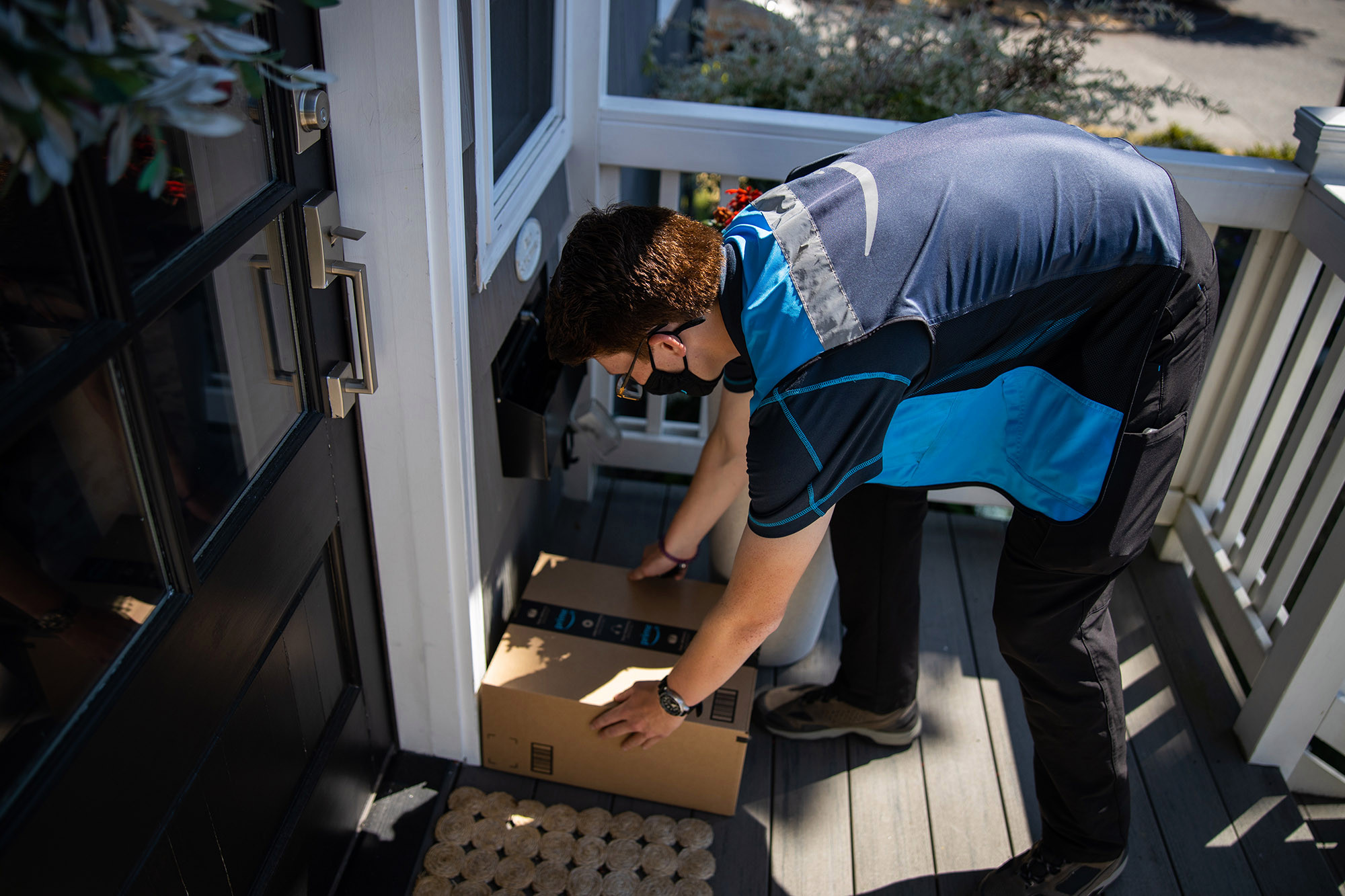
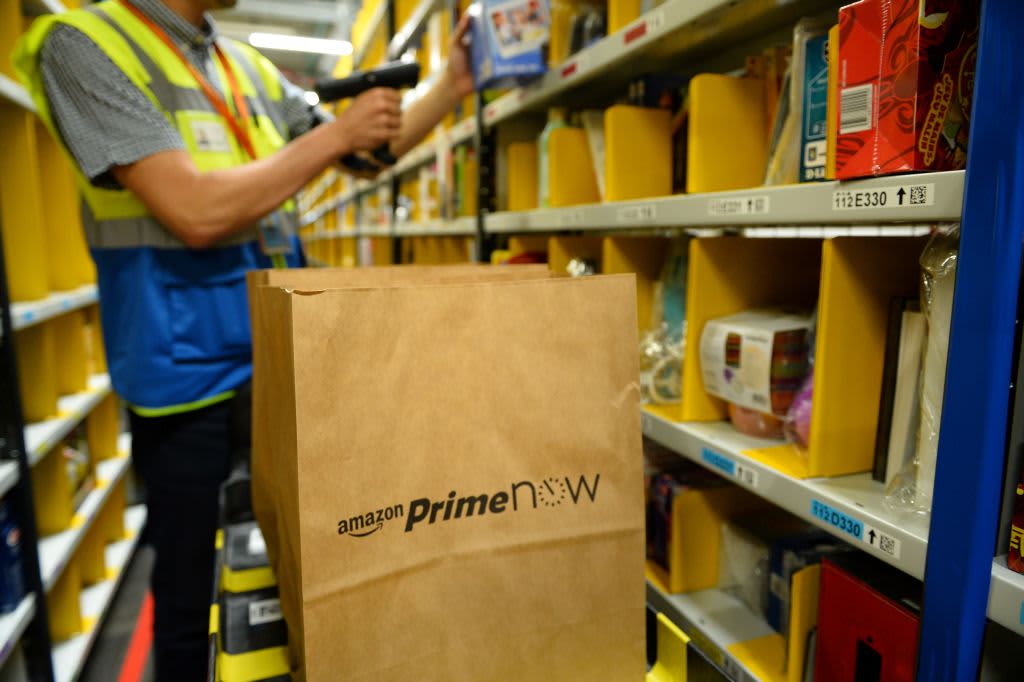
Amazon said Friday it will retire its quick-delivery Prime Now app at the end of the year, claiming that its regular app is now capable of the same speedy service.

The seven year-old app, which also has its own website, provides last-minute delivery on groceries and other household staples in about an hour. It is now being merged into Amazon.com in an effort to “streamline” all of its offerings into one app, the company said.

Amazon claims customers will still get the same “ultra fast” delivery they had with Prime Now.

The company has already eliminated Prime Now as a separate service in India, Singapore and Japan.

After suspending Amazon Pantry last year, due to the pandemic wreaking havoc on delivery, Amazon eliminated it altogether in 2021. It was a subscription service that delivered bulky and heavy items like bottled water and canned goods.

Prime Now launched in a handful of cities in 2014 and eventually expanded into 5,000 cities offering free, two-hour delivery. There are separate Prime Now warehouses as well. It launched more widely in 2019 with Amazon Fresh and Whole Foods Market.

Amazon also offers Prime Now delivery services through third-party merchants, including Bartell’s pharmacy in Seattle which will move to Amazon.com as well, the company said.

Snap buys WaveOptics, a company that makes parts for augmented reality glasses, in $500 million deal

In this articleSNAPEvan Spiegel, CEO of Snap, announces new Spectacles AR glasses that let you overlay digital objects on the real world.Source: SNAP Inc.Snap is acquiring WaveOptics, a company that creates lenses and other parts that are used in augmented reality glasses. The acquisition will give Snap many of the components to create glasses that people can wear and then see computer-generated imagery overlaid on top of the real world.Snap confirmed to CNBC Friday the deal is worth about $500 million in cash and stock, with about half paid upfront in stock. Snap will pay the remainder in cash or stock in two years. The Verge first reported on the acquisition.Shares of Snap were down about 1% on Friday morning.Snap unveiled its first augmented reality Spectacles glasses on Thursday, but they aren’t for sale. Instead, Snapchat is giving them to creators first, as it presumably continues to fine-tune the glasses until it’s ready to sell a version to consumers. The new Spectacles use lenses developed by WaveOptics.They’re a first step in the race to AR glasses among tech companies, however, with other firms like Apple and Facebook working on similar products. Developers will need to make compelling apps for the glasses, which currently only have about 30 minutes of battery life.Snap is well on its way to having lots of compelling augmented reality apps, however, since AR is already a big part of the Snapchat app. Snapchat users can already take advantage of AR for shopping, creating video and photo filters and more through their phones.Snapchat’s new AR Spectacles glassesSnapSnap’s AR glasses are different than some AR productss that already exist, like Microsoft’s HoloLens 2, which is much larger and looks more like a headset than a set of glasses.WaveOptics creates some of the parts that people look through while wearing the glasses, like waveguides, which are sort of like little windows you look through that show the computer-generated imagery, and projectors that direct light at the waveguides. It also makes and sells full solutions, called modules, which include the waveguides and projectors mounted to frames.Subscribe to CNBC on YouTube. 

Insurance giant CNA Financial reportedly paid hackers $40M in ransom

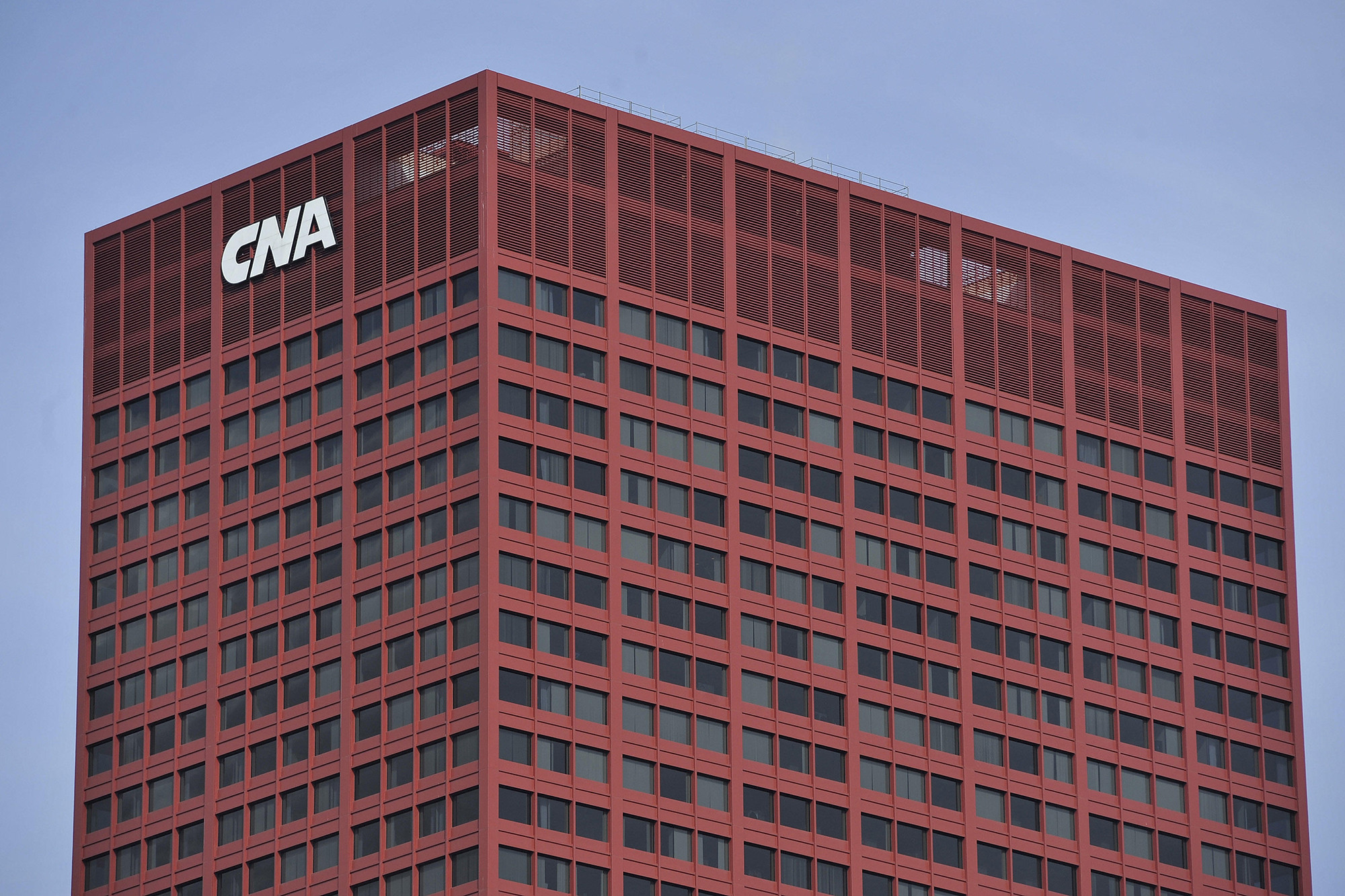
CNA Financial, one of the biggest insurance companies in the US, reportedly forked over $40 million in ransom after it was hit by a cyberattack in late March.

The Chicago-based company was locked out of its network and decided to pay the hackers after about two weeks, Bloomberg News reported, citing two people with knowledge of the attack.

A CNA spokeswoman confirmed to Bloomberg that the cyberattack occurred, but declined to comment on the ransom.

The spokeswoman said the company shared information about the attack and the hackers with the FBI and the Treasury Department’s Office of Foreign Assets Control, which said last year that facilitating ransom payments to hackers could pose sanctions risks.

“CNA followed all laws, regulations, and published guidance, including OFAC’s 2020 ransomware guidance, in its handling of this matter,” the spokeswoman, Cara McCall, told Bloomberg.

CNA, which offers cyber insurance, said it believed the hackers behind the cyberattack were a group called Phoenix, according to Bloomberg. The $40 million ransom is larger than any previously disclosed payment to hackers, the report said.

CNA reportedly believes group called Phoenix are behind the cyberattack.Getty Images/iStockphoto

Ransomware is a malicious software that locks up a user’s data. Hackers typically demand money to unlock or return the affected data.

The disclosure of the attack on CNA comes just weeks after the hacking of Colonial Pipeline by Russia-based cybergang DarkSide. That hacking shuttered the biggest oil pipeline in the US and spurred panic buying and gas shortages across the Southeast. 

Colonial paid DarkSide a ransom of $4.4 million, CEO Joseph Blount said. The FBI has long advised companies not to pay when hit by ransomware.

The FBI says that paying ransom creates incentives for more attacks and supports criminal gangs. 

The multiple attacks and the scale of the payments the hackers demanded underscore the degree to which ransomware attacks have proliferated in recent years. 

Ransomware payments rose to a staggering $350 million last year, up 311 percent compared with the year prior, according to a task-force of security experts and law enforcement agencies.

That group delivered 48 recommendations on how the Biden administration and private companies could shore up cybersecurity. 

The 81-page report, prepared by the Institute for Security and Technology, was delivered to the White House days before Colonial Pipeline hacking. 

Feds signal crackdown on cryptocurrency after volatile week

The Federal Reserve and the Treasury Department turning up the heat on cryptocurrency, signaling a crackdown could be coming after several days of volatility in the sector.

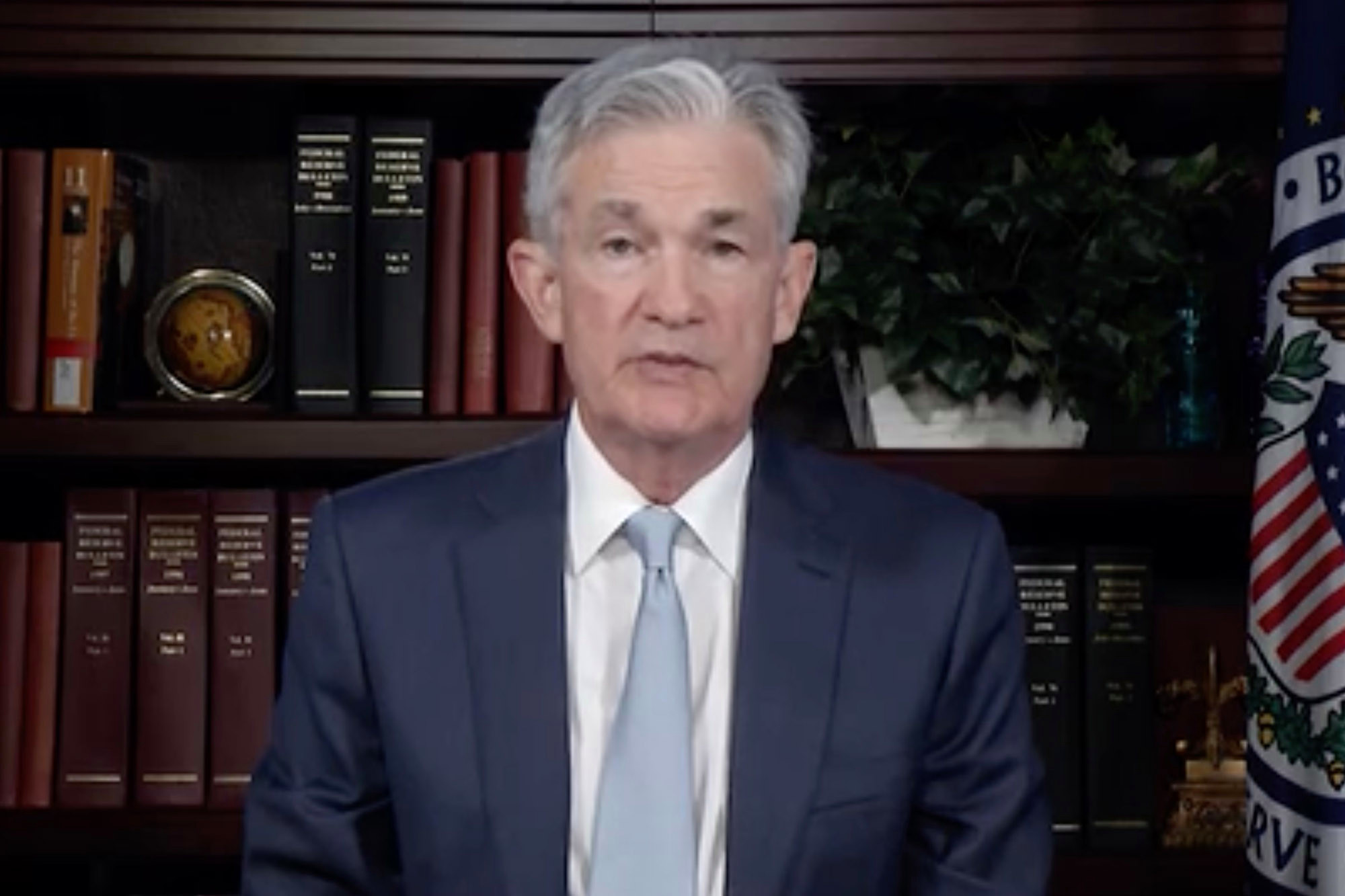
Fed chair Jerome Powell said in a rare video message posted Thursday that cryptocurrencies, which have grown to have a market cap of nearly $2 trillion, pose some risks to both individual investors and the broader financial system. 

He also distinguished between volatile cryptocurrencies and so-called stablecoins, which are tied to the value of other currencies such as the US Dollar.

“As stablecoin’s use increases, so must our attention to the appropriate regulatory and oversight framework,” Powell said, noting that businesses that process crypto payments could be a point of more regulation. 

Powell also noted that the Fed is exploring how and whether cryptocurrencies could improve the current US financial system. He said the Fed has been exploring whether it should establish cryptocurrency of its own, called a central bank digital currency, or CBDC.

Cryptocurrencies have grown to have a market cap of nearly $2 trillion.Alamy Stock Photo

He said the Fed will publish a discussion paper this summer on the benefits and risks of establishing a CBDC, and will seek public comment.

“We think it is important that any potential CBDC could serve as a complement to, and not a replacement of, cash and current private-sector digital forms of the dollar, such as deposits at commercial banks,” Powell added.

The Treasury Department, meanwhile, said it’s taking steps now to regulate the crypto world. It announced Thursday that it will require any transfer worth $10,000 or more to be reported to the Internal Revenue Service.

“Cryptocurrency already poses a significant detection problem by facilitating illegal activity broadly including tax evasion,” the department said as part of a broader announcement on the Biden administration’s efforts to crack down on tax evasion. “This is why the President’s proposal includes additional resources for the IRS to address the growth of cryptoassets.”

The regulatory attention comes after weeks of speculation that the Biden administration was preparing action on the crypto market, which has ballooned in popularity and value in recent months. 

Thursday’s announcements come after a particularly volatile week in the crypto space. The market tanked earlier this week after regulatory action in China. Almost $400 million was wiped off the market in 24 hours, and has since largely recovered over the past couple of days. 

Amazon is shutting down its Prime Now fast delivery app

A picture taken on June 9, 2016 shows Amazon warehouse in Paris, part of the new service ‘Prime Now’.Eric Piermont | AFP | Getty Images Amazon is shutting down its standalone Prime Now platforms and directing users who want fast delivery on groceries and other goods to order them through the Amazon app or website, the company announced on Friday.The Prime Now app and website will be retired worldwide by the end of this year, Amazon said.”To make this experience even more seamless for customers, we are moving the experience from a separate Prime Now app onto the Amazon app and website so customers can shop all Amazon has to offer from one convenient location,” Stephenie Landry, vice president of grocery at Amazon, said in a blog post.Consumers will be able to choose two-hour delivery on essentials and other goods via the Amazon app or website. Two-hour grocery delivery will be available via Amazon Fresh or Whole Foods, both of which are located in Amazon’s app and website.Additionally, any third-party retailers or local stores that were offered on the Prime Now app will be moved over to Amazon, including Bartell Drugs, a pharmacy chain in Seattle, and Union Square Wines & Spirits in New York City.Amazon debuted Prime Now in 2014 as a way for members of its Prime subscription service to get books, toys, household essentials and other goods delivered to their doorstep in one or two hours for a small fee. Prime Now initially launched in a handful of cities, but it’s now available in more than 5,000 cities and towns and two-hour delivery is free. In a testament to how much the service has grown, Amazon operates dedicated Prime Now warehouses to fulfill orders.”In 2014, I wrote a six-page document outlining a service that would allow customers to get last-minute items in about an hour,” Landry wrote in the blog post. “We even gave the project the internal code name ‘Houdini.’ In just 111 days, our team took the concept outlined in that six-page document and turned it into Prime Now, which became the foundation for Amazon’s ultrafast grocery and same-day delivery businesses.”Amazon’s ambitions in grocery have deepened over the years. It has rolled out multiple services, acquired upscale supermarket chain Whole Foods for $13.4 billion in 2017 and last year launched its own chain of Fresh grocery stores, which has resulted in a somewhat disjointed grocery strategy.The company has recently taken steps to streamline its grocery offerings. In January, Amazon shuttered its Prime Pantry service, which delivered non-perishable groceries, and the company is rebranding its Go Grocery brand to Amazon Fresh, GeekWire reported this week.The move to shut down Prime Now’s app and website had already been underway for some time. The company recently began directing users to the Amazon app and website via a pop-up in the Prime Now app.Additionally, Amazon said it has already discontinued Prime Now’s app and website in India, Japan and Singapore. It also began offering two-hour delivery from Amazon Fresh and Whole Foods on Amazon in 2019.

China's JD Logistics set to raise $3.2 billion in Hong Kong IPO

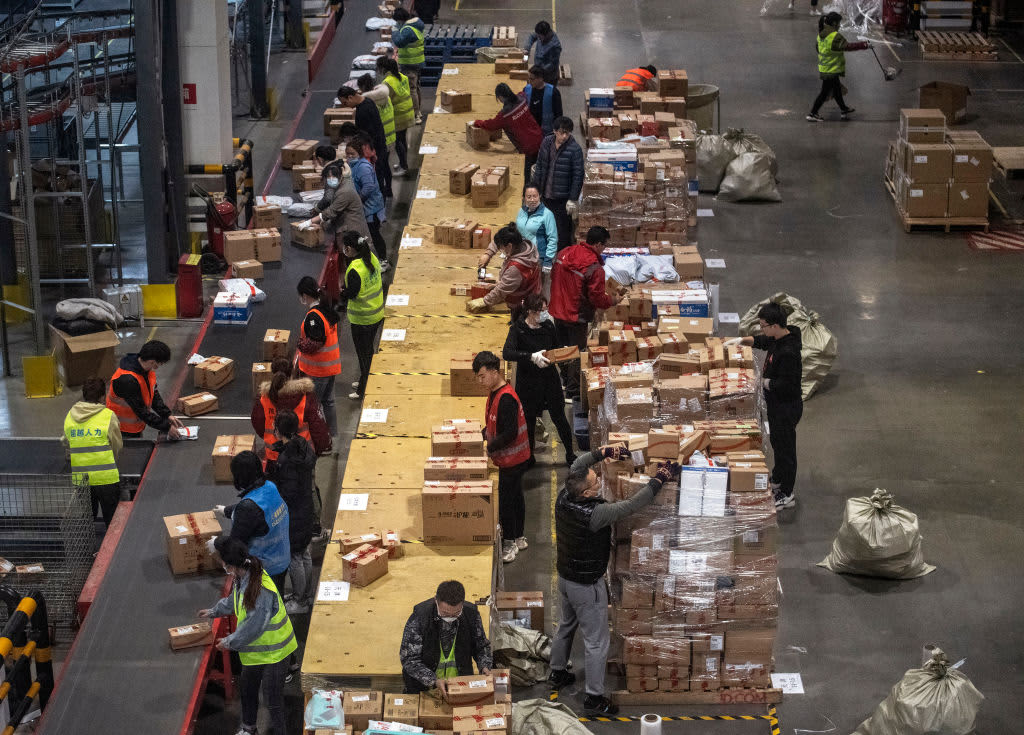
In this article9618-HKWorkers from Chinese e-commerce giant JD.com prepare parcels for delivery at the company’s main logistics hub for Singles Day on November 11, 2020 in Beijing, China.Kevin Frayer | Getty Images News | Getty ImagesGUANGZHOU, China — The logistics arm of Chinese e-commerce giant JD.com is set to price its Hong Kong initial public offering at 40.36 Hong Kong dollars, near the bottom of the range, a person with knowledge of the matter told CNBC.JD Logistics previously said its IPO on the Hong Kong Stock Exchange would be priced between 39.36 Hong Kong dollars and 43.36 Hong Kong dollars.The company will issue 609.2 million shares. At 40.36 Hong Kong dollars each, the company would raise 24.6 billion Hong Kong dollars ($3.2 billion).The pricing is subject to confirmation, said the person, who did not wish to be identified as they were not authorized to speak publicly.JD declined to comment when contacted by CNBC.JD.com, a rival to Alibaba in China, has been busy in the capital markets. JD.com, which is listed in the U.S., carried out a $3.87 billion secondary listing in Hong Kong last June. The company then listed its health-care unit in Hong Kong in December.However, JD withdrew its planned listing of its financial technology arm, JD Technology, from the Nasdaq-style STAR market in Shanghai last month.JD has been investing in its logistics as a way to differentiate in China’s cut-throat e-commerce market. The company has been focusing on same-day and next-day deliveries and investing in automated logistics warehouses.In 2020, JD Logistics raked in revenue of 73.4 billion yuan ($11.4 billion), a 47% year-on-year rise. However, the company reported a 4 billion yuan loss in 2020, more than the 2.2 billion loss the year before.Furthermore, in 2020, more than 50% of JD Logistics’ revenue came from JD Group and other affiliated companies — a risk the company flagged in its IPO prospectus.”A significant portion of our revenue was associated with JD Group during the Track Record Period and we expect a significant portion of our revenue to continue to be associated with JD Group in the foreseeable future,” it said.”We may have different development prospects or conflicts of interest with JD Group and, because of JD Group’s controlling ownership interest in our Company, may not be able to resolve such conflicts on favorable terms for us.”