TokyoTokyo Mon - Fri 10:00-18:00 +81 (366) 701-751
info@mountequitygroup.com

Blog

Co-founder of TikTok owner ByteDance, Zhang Yiming, to step down as CEO

Zhang Yiming, the co-founder of TikTok’s Chinese parent company ByteDance, will step down as CEO, he announced Thursday as he admitted to lacking some of the skills necessary to lead the company as its chief executive.

Zhang’s fellow co-founder, Liang Rubo, will take over as CEO of ByteDance, which owns a slate of entertainment and news apps in China and other countries, in addition to TikTok. The shake-up is expected to happen at the end of the year, Zhang said in a letter to employees, which the company posted online. 

“The truth is, I lack some of the skills that make an ideal manager. I’m more interested in analyzing organizational and market principles, and leveraging these theories to further reduce management work, rather than actually managing people,” Zhang, who has helped grow the company into one of the largest startups in the world, said in the letter. “Similarly, I’m not very social, preferring solitary activities like being online, reading, listening to music and daydreaming about what may be possible.”

Rubo, who’s currently in charge of human resources at the company, will be able to provide better day-to-day management, said Zhang, who said he will use his extra time to consider the long-term direction for the company and search for opportunities to push into new emerging technology.

Zhang Yiming’s fellow co-founder, Liang Rubo, will take over as CEO of ByteDance.AP

“For a long time, I’ve put my online status as ‘Daydreaming.’ What I mean isn’t that I’m zoning out, but rather that I’m thinking about possibilities that people might think are just fantasy,” Zhang said. “In the past three years, many things that seemed like fantasies have, in fact, become reality.”

“After handing over my role as CEO, and removing myself from the responsibilities of daily management, I will have the space to explore long-term strategies, organizational culture and social responsibility, with a more objective perspective on the company,” he added.

The announcement comes as the Chinese government ramps up pressure on its home-grown companies. 

Chinese regulators last year blocked the anticipated IPO of financial-tech company Ant Group, with government officials summoning executives from Ant Group and its parent company Alibaba. In March, the CEO of Ant Group resigned, followed shortly after by the resignation of the CEO of Shanghai-based e-commerce giant Pinduoduo. 

Beijing-based ByteDance is one of China’s most valuable startups thanks to TikTok’s help.AFP via Getty Images

Beijing-based ByteDance is one of China’s most valuable start-ups and among the first to attract users or customers broadly outside of China, largely thanks to TikTok. The company’s success has placed it under scrutiny both in China and elsewhere. 

ByteDance executives have been summoned by government authorities every few weeks, according to The Wall Street Journal, and the Chinese government has fined at least two of its China-focused business units this year. 

In the US, former President Trump signed an executive order last summer that sought to force ByteDance to divest from the US by selling or spinning off the US operation of TikTok. Trump said TikTok’s Chinese ownership was a national security threat. 

TikTok has since tried to distance itself from its Chinese parent, but the pressure for ByteDance to divest never led to a concrete shake-up of the business structure.

Apple made at least $100 million off ‘Fortnite’ fees, trial reveals

Apple made at least $100 million — and possibly much more — off commissions from “Fortnite” during the two-and-a-half years the game was available on the App Store, an Apple executive revealed during an ongoing antitrust trial.

Michael Schmid, an Apple executive who oversees business development for games on the App Store, revealed the figure under questioning Wednesday, Bloomberg reported (paywall). When asked if Apple made more than $200 million from “Fortnite”-related fees, Schmid said answering that question would be “inappropriate.”  

Last year, Apple booted Epic Games from the App Store after Epic introduced its own system for in-app payments, circumventing Apple’s requirement that some developers use its own payment system, which charges commissions of up to 30 percent. 

Cut off from a lucrative audience of iPhone and iPad users, Epic sued Apple in a Northern California federal court, alleging that Apple’s policies constituted an illegal monopoly. 

Epic Games CEO Tim Sweeney arriving at federal court in Oakland, California, on Wednesday for the lawsuit Epic is waging against Apple. Getty Images

Commissions from the App Store brought in $22 billion for Apple in 2020 alone, according to Bloomberg. If Epic’s suit is successful, Apple could lose a key source of revenue.  

Apple head honcho Tim Cook, who is said to be Apple’s final witness in a trial that began May 3, will take the stand Friday morning. 

Microsoft to finally kill web browser Internet Explorer

Microsoft will finally retire Internet Explorer after more than 25 years. 

The software giant announced Wednesday that the current version of Internet Explorer will no longer be supported on consumer versions of Windows 10 from June 15, 2022.

Instead, Microsoft said it’s shifting focus to web browser Edge, which it launched in 2015.

“We are announcing that the future of Internet Explorer on Windows 10 is in Microsoft Edge,” said Sean Lyndersay, a Microsoft Edge program manager.

“The Internet Explorer 11 desktop application will be retired and go out of support on June 15, 2022, for certain versions of Windows 10.”

Internet Explorer was once a dominant player in the early days of the internet, but has gradually faded as other tech giants rolled out web browsers such as Chrome from Google and Apple’s Safari.

As of April, Explorer holds less than 2 percent of the global browser market for desktop computers, according to web analytics firm Statcounter. By comparison, Google’s Chrome has a 65 percent share of the market, followed by Apple’s Safari with an 18 percent share

It marks a steep fall for Explorer — which was the dominant browser for over a decade after its launch in 1995.

Microsoft’s Internet Explorer browser launched in 1995.Alamy Stock Photo

At its peak in the late ‘90s, the domination of Explorer was central to the government’s antitrust crackdown on Microsoft.

A federal judge ruled that Microsoft violated antitrust law by tying Explorer to its Windows operating system software. The practice effectively killed the use of rival browser Netscape Navigator between 1995 and 1998, the judge found. 

Microsoft settled with the Justice Department in 2001 over the allegations, but did not admit wrongdoing.

It was among the earliest US antitrust crackdowns in the tech sector.

However, for Explorer devotees, Microsoft said it will continue to offer an “IE mode” within its Edge browser, which allows users to access sites and apps that haven’t transitioned away from Explorer.

Google's first retail store, where it will sell phones and other gadgets, to open this summer in New York

In this articleAAPLGoogle Store in ChelseaGoogleGoogle announced Thursday its first-ever retail store, where it will sell Pixel phones, Fitbit wearables, Pixelbooks, Nest thermostats and speakers, and more. The first-ever Google store is in New York’s Chelsea neighborhood, located in the building that houses Google’s NYC offices and is close to an Apple Store.The store is expected to open this summer.Google has toyed with retail in the past, sometimes with little pop-up shops where people can browse new gadgets when they’re announced. But it has otherwise relied on its website and other retailers to sell its hardware and services. This means Google is slowly taking a different approach more akin to Apple by creating a space where people can come in to try its products and get support.It may help Google, too, at least if it continues to open stores, since it hasn’t offered many ways for customers to try its products before buying them outside of “experience” mini shops in places like Best Buy.Some tech companies, like Apple, are better at retail than others.Microsoft, for example, announced last June that it was permanently closing its 83 Microsoft Store locations because it found its online sales were growing and that it was better able to serve customers online instead of in stores.The Google store will also offer technical support for the company’s devices, including fixing cracked phone screens.Google said it will require social distancing, masks and hand sanitation for customers and employees as it follows local and national guidelines during the Covid-19 pandemic.Subscribe to CNBC on YouTube. 

IHOP to launch new restaurant chain focused on takeout and delivery

IHOP is launching a new chain of grab-and-go locations that are focused on orders for takeout and delivery — and they’ll make their debut in New York City.

The 62-year-old pancake chain is dusting off its plans for a concept it originally announced in 2019 — Flip’d — opening the first location in the Big Apple this summer.

Customers will be greeted by kiosks where they can place their orders — counter service is also available — or they can order in advance online, the company said on Thursday. Unlike its 1,600 IHOPs across the US, Flip’d outlets won’t have table service, although limited seating will be available at some locations.

Menu items will include IHOP’s signature pancake bowls, egg sandwiches and made to order burritos and bowls as well as grab and go wraps, salads and pastries.

The new concept will focus on takeout and delivery orders, although some locations will offer limited seating.IHOP

Owned by Dine Brands, which also operates Applebee’s Neighborhood Grill & Bar, IHOP tabled its original plans for Flip’d when the pandemic hit and then retooled them.

“While we know there is a pent-up demand for a return to dining in restaurants, we anticipate that our delivery and takeout business is here to stay as consumer needs continue to shift and they seek out different ways to experience IHOP favorites,” Jay Johns, president of IHOP, said in a statement. 

“With Flip’d, we can provide that on-the-go fast casual experience, making now the perfect time to bring this concept into the world.”

Among the menu items available for takeout and delivery will be IHOP’s pancake bowls.IHOP

The first group of Flip’d locations will open later this year in Lawrence, Kan., and Columbus and Dublin, Ohio, as opposed to the large metropolitan cities IHOP had originally focused on in 2019, the company said.

Dine Brands is offering $150,000 to the first franchisees in various markets that open Flip’d locations, according to CNBC.

Just a few years ago, IHOP introduced a new burger menu aimed at resuscitating its flagging sales and it made a huge stir with a hoax to change its name to Ihob (the ‘b’ stood for burgers) as it teased the burger news.

Dogecoin jumps after Elon Musk tweet fans more wild cryptocurrency trading

In this articleTSLAHost Elon Musk during the monologue on Saturday, May 8, 2021.Will Heath | NBCUniversalThe price of dogecoin spiked Thursday morning after Tesla CEO Elon Musk mentioned the coin on Twitter, adding another chapter to the volatile history of a cryptocurrency that started as a joke.The price of the digital coin was 16% to 42 cents, hours after the Musk tweet.”How much is that Doge in the window?,” Musk tweeted.Thursday’s move comes after a wild day for cryptocurrencies saw bitcoin, ether and dogecoin all plunge sharply before clawing back a chunk of those losses later Wednesday.Zoom In IconArrows pointing outwardsDogecoin jumps on Musk tweetMusk, who talks and posts about dogecoin frequently, said earlier this month that he was working with developers to improve the cryptocurrency. He has also referred to it as a “hustle” on “Saturday Night Live” and said its value was largely speculative at this point.Become a smarter investor with CNBC Pro. Get stock picks, analyst calls, exclusive interviews and access to CNBC TV. Sign up to start a free trial today.

Unemployment claims continue to fall as states slash extra benefits

The number of Americans seeking new unemployment benefits continued to drop last week, the feds said Thursday, as a slew of states move to slash the pandemic-boosted payments.

Initial worker filings for jobless claims, seen as a signal of layoffs, reached 444,000 last week, down from a revised total of 478,000 reported the prior week, according to data released Thursday by the Labor Department.

Economists surveyed by Dow Jones expected 452,000 new jobless claims. 

New jobless claims have continued on a steady downward trajectory and are now at a fresh pandemic low, but the overall number of people on government assistance remains high, with over 15.9 million claiming continuing assistance, the feds said Thursday.

But laid off workers in many states could soon see those weekly benefits shrink. 

At least 21 states with Republican governors are looking to lure workers back into the labor market by withdrawing from the federal program that provides an extra $300 in additional unemployment benefits every week. 

Several states are attempting to get people back to work with withdrawing a federal program that provided an extra $300 at the height of the COVID-19 pandemic.Getty Images

Various Republican-led states, including Texas, Oklahoma and Indiana have moved to end the benefits this summer. They were set to expire in early September. 

Some companies, politicians and economists have said the extra benefits add up to more than what businesses can afford to pay people, particularly for entry level jobs, creating a labor shortage that threatens to hold back the US economic recovery.

The White House, in turn, has defended the extra benefits, saying that businesses should pay people more. President Biden has added that, “If you’re receiving unemployment benefits and you’re offered a suitable job, you can’t refuse that job and just keep getting the unemployment benefits.”

The latest round of economic data released over the past month has added weight to the argument that there is a labor shortage, economists say. However, they add, there are other factors at play, including an increased need for child-care amid school closures that could be keeping women out of the workforce.

President Joe Biden has said that if a “suitable job” presents itself, people cannot turn that down in lieu of continuing to get unemployment benefits.ZUMAPRESS.com

Last week, the Labor Department said US job openings soared to a record 8.1 million in March while companies struggled to recruit new workers and the economy continued to heat up. That was just days after the agency said the US economy added a disappointing 266,000 jobs, far below the 1 million that had been expected by economists.

A handful of states are trying to encourage people to seek jobs again. Last week, Arizona announced it would stop distributing the US supplement on July 10, instead offering a $2,000 bonus for those who return to work. States including Montana, Oklahoma and Connecticut have dangled similar cash incentives as they seek to wean residents from the federal funds.

Europe's answer to Robinhood just raised fresh funds at a $5.3 billion valuation

The Trade Republic app.Trade RepublicLONDON — German stock-trading app Trade Republic said Thursday it raised $900 million in a huge funding round that values the start-up at $5.3 billion.The round, a Series C, was led by American venture capital firm Sequoia, with additional backing from new investors TCV and Thrive Capital. Existing shareholders include Accel, Founders Fund and Creandum increased their holdings.Trade Republic is essentially Europe’s answer to Robinhood. The app lets users trade in stocks and exchange-traded funds without paying a commission. Trade Republic makes money from a flat 1 euro  ($1.22) fee it charges per trade.Trade Republic recently added a cryptocurrency feature, launched just as the prices of bitcoin and other digital coins were rallying wildly. More recently, crypto markets have suffered a sharp downturn.Like Robinhood, Trade Republic has benefited from rising interest from retail investors in the stock market. Earlier this year, usage of online trading platforms spiked amid volatile trading in GameStop and other stocks promoted on the Reddit board WallStreetBets.Trade Republic says Europeans are flocking to financial markets as they struggle to make a decent return on their savings due to ultra-low interest rates. The company now has more than 6 billion euros in assets under management.”Fifty percent of Trade Republic’s customers, over 500k people, have never invested in capital markets before in their life,” Thomas Pischke, co-founder of Trade Republic, said in a statement. “We empower people to start with wealth creation, who have been neglected by big banks for too long, with high fees and opaque products.”Founded in 2015, Trade Republic has rapidly grown over the years and now has more than 1 million users in Germany, France and Austria. The company currently has over 400 employees, and said it plans to use the fresh cash to grow its business and hire more staff.The latest cash injection makes Trade Republic one of the most valuable fintech start-ups in Europe. The continent’s tech sector has grown dramatically over the past decade, and 2020 marked a record year in terms of investment into European start-ups.

Apollo co-founder Josh Harris to step down, will remain on board

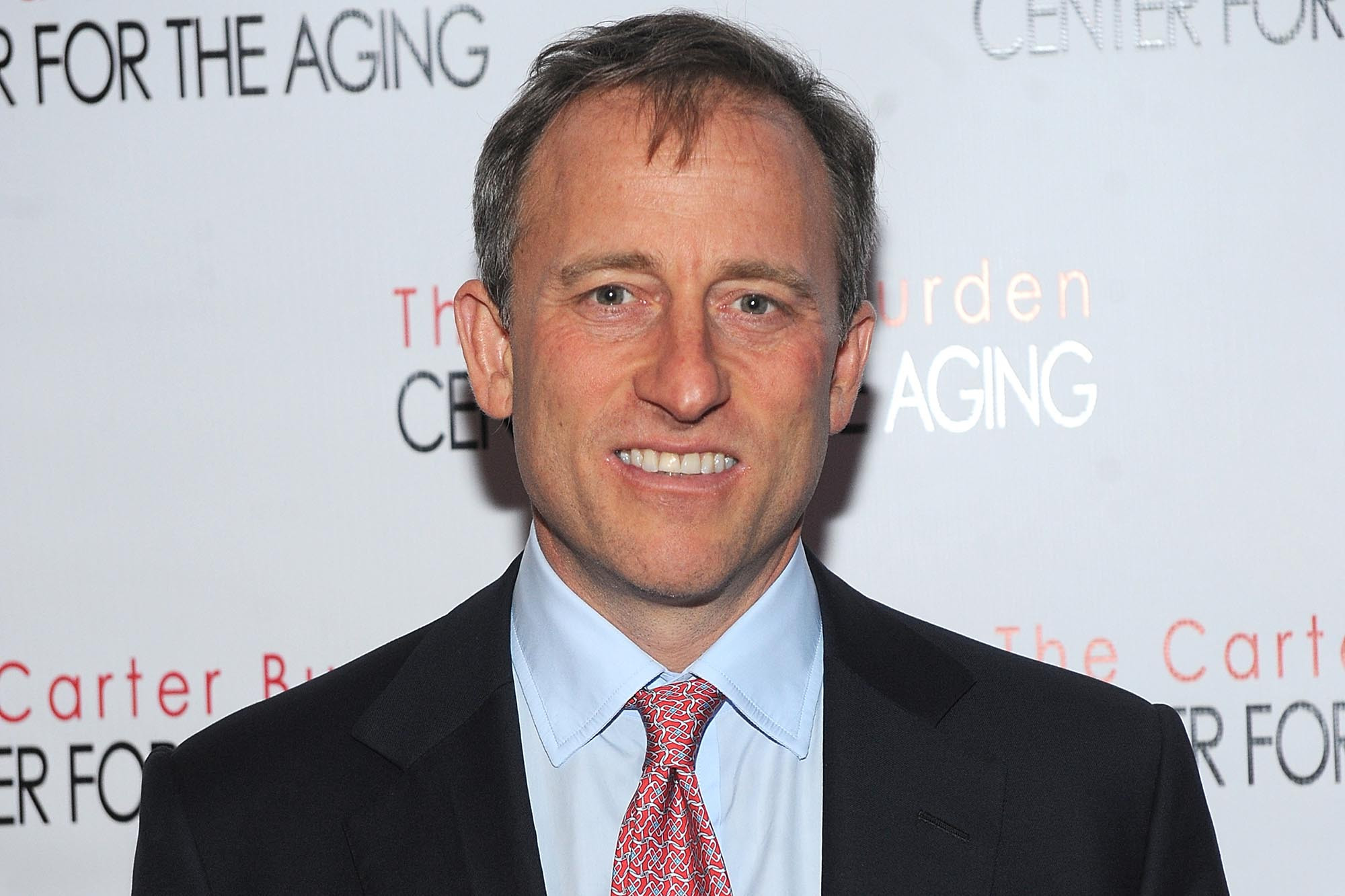
Private equity firm Apollo announced Thursday that co-founder Josh Harris will step down from his day-to-day role at the company, but keep his seat on the board of directors. 

Harris is expected to fully step down upon completion of the firm’s deal to buy insurance company Athene, likely to close in the first quarter of 2022, Apollo said.

“After nearly 31 years at Apollo, it is time for me to start the next chapter of my career, where I will focus full-time on the platforms I’ve created outside of the firm as well as deepen my commitment to philanthropy and social impact,” Harris said in a statement.

Harris will focus on growing his family’s foundation and building Harris Blitzer Sports & Entertainment, the sports and entertainment company he founded in 2017 with David Blitzer of private equity firm Blackstone.

Camden, New Jersey-based HBSE owns the Philadelphia 76ers, the New Jersey Devils and other sports and entertainment assets. 

The announcement of Harris’ departure comes after Harris was passed over to succeed fellow Apollo co-founder and former CEO Leon Black, who left the firm in March, relinquishing his title as chairman, amid scrutiny over his ties to pedophile financier Jeffrey Epstein.

Josh Harris is a co-owner of the New Jersey Devils and managing partner of the Philadelphia 76ers.Getty Images

Marc Rowan, the firm’s third co-founder, was named Black’s successor in January.

“Josh has been an amazing partner and it has been my privilege to work side by side with him for nearly 35 years as we helped build the firm into a leading financial services company,” Rowan said in a statement. “I am fortunate to be leading a business with an incredibly strong management team which Josh had a significant role in helping develop.”

Harris’ departure has been speculated on ever since Rowan’s appointment was announced. Earlier this month, Harris was absent from the firm’s first-quarter earnings call, spurring a question from an analyst. 

Marc Rowan was picked to succeed Leon Black as CEO over Josh Harris.REUTERS

In response, Rowan called Harris “an active and productive and senior member of the Apollo team.”

And the same day, The Post reported that Harris was buying a $32 million mansion in Miami in an off-market deal. While Apollo and other financial companies are opening offices in South Florida, sources told The Post at the time that the purchase was a sign that Harris was already on his way out at Apollo.

Harris “will be out in six months,” an Apollo insider told The Post.

Bitcoin briefly tops $40,000 as it struggles to recover from brutal sell-off

A customer uses a bitcoin automated teller machine (ATM) in a kiosk Barcelona, Spain, on Tuesday, Feb. 23, 2021.Angel Garcia | Bloomberg | Getty ImagesBitcoin fluctuated between gains and losses Thursday, as the world’s largest cryptocurrency struggled to recover from a major sell-off during the previous session.The digital currency initially climbed Thursday morning, trading as high as $40,700 at one point, before slipping down as low as $38,965, according to data from Coin Metrics. It was last up 2.6% at a price of $39,980.Some of bitcoin’s younger alternatives also attempted a comeback Thursday, with ether up 2.2% at $2,676 and litecoin rising 3% to $209.It comes after a brutal plunge for cryptocurrency markets. On Wednesday, bitcoin dived 30% to nearly $30,000 at one point, before paring some of those losses later in the session. The entire crypto market lost hundreds of billions of dollars of value in a single day.The move lower was likely driven by mixed signals from Tesla CEO Elon Musk — who came out as a believer in bitcoin earlier this year — and a regulatory clampdown on the market in China.On May 12, Musk said his electric car firm had suspended vehicle purchases with bitcoin due to environmental concerns over the cryptocurrency. Bitcoin uses more energy than entire countries like Argentina and Ukraine, according to Cambridge University researchers. This is due the energy-intensive “mining” process which releases new bitcoins into circulation.Earlier this week, Musk suggested Tesla may have sold his bitcoin holdings, only to later clarify that the firm had “not sold any bitcoin.” On Wednesday, he tweeted the “diamond hands” emoji, implying that the electric vehicle maker would not shed any of its bitcoin.Also weighing on bitcoin’s price Wednesday was the news that China had banned financial institutions and payment firms from providing cryptocurrency-related services, reiterating its tough stance on digital currencies.”If you look at the history of bull markets, a correction of this size, between 30-40% of bitcoin price, tends to be part of the bull market,” Alyse Killeen, founder and managing partner of bitcoin-focused venture capital firm Stillmark Capital, told CNBC Wednesday.Institutional investors jumping ship?Bitcoin investors say the cryptocurrency has become a kind of “digital gold,” providing protection from rising inflation as central banks around the world print money to soften the economic blow of the coronavirus crisis. They say that this has led to increased buying from institutional and corporate investors.However, in a note to clients this week, analysts at JPMorgan said institutional investors were dumping bitcoin in favor of gold, reversing the trend that’s played out over the last two quarters.”I did talk to friends in the institutional bitcoin buy and custody space … and what I heard from them is that folks aren’t selling,” Killeen said.”What you saw was newer buyers were exiting and long-term holders were accumulating or ‘hodling,’ and that’s what we have historically seen at these more significant drawdowns in bull markets,” she added.Meanwhile, there have been various signs of froth in crypto market lately. Dogecoin, a meme-inspired digital currency, saw a stunning rally earlier this year, propelled by supportive comments from Musk and other celebrities like Mark Cuban and Gene Simmons.Crypto skeptics would argue that all digital assets are in a speculative bubble. In a closely-watched fund manager survey, Bank of America found “long bitcoin” was the most crowded trade. According to the firm, 75% of fund managers said the cryptocurrency was in bubble territory.