TokyoTokyo Mon - Fri 10:00-18:00 +81 (366) 701-751
info@mountequitygroup.com

Blog

Tesla eyeing restaurant business after filing new trademarks

Would you like fries with your Tesla-burger?

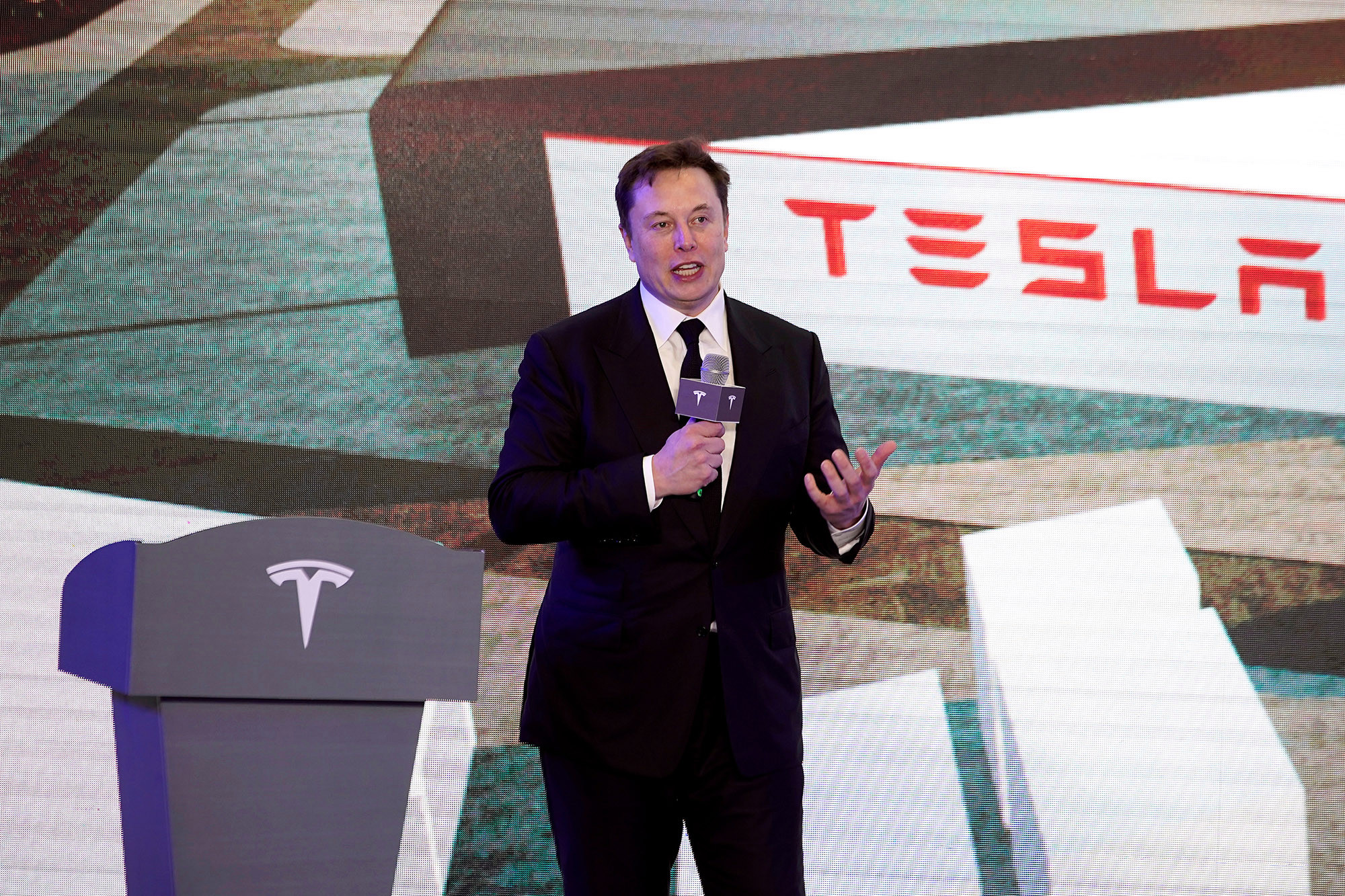
Elon Musk-owned Tesla has filed new trademarks to use its branding under a potential restaurant.

The electric carmaker filed for three trademarks last week that would allow the company to use its brand in the restaurant business.

One mark Tesla filed for May 27 is for the word “Tesla” itself. Another is for its “T” logo, and the third is for its own stylizing of the word “Tesla.”

The marks are all filed under the category of “Restaurant services, pop-up restaurant services, self-service restaurant services, take-out restaurant services,” according to the US Patent and Trademark Office.

It’s not the first time the company has stoked speculation about whether it will move into the restaurant space, especially as it seeks to outfit its larger so-called supercharger stations with amenities like lounges and coffee shops.

In 2018, Musk said on Twitter that Tesla planned to open an “old-school drive-in, roller skates & rock restaurant at one of the new Tesla Supercharger locations in Los Angeles.”

Gonna put an old school drive-in, roller skates & rock restaurant at one of the new Tesla Supercharger locations in LA— Elon Musk (@elonmusk) January 7, 2018

A few months later, Tesla even applied for building permits for “a restaurant and Supercharger station” at a location in Santa Monica, according to industry site Electrek. But the company submitted new building applications earlier this year that didn’t include a restaurant.

In April, though, Musk said, “Major new Supercharger station coming to Santa Monica soon! Hoping to have 50’s diner & 100 best movie clips playing too.”

Major new Supercharger station coming to Santa Monica soon! Hoping to have 50’s diner & 100 best movie clips playing too. Thanks Santa Monica city!— Elon Musk (@elonmusk) April 2, 2021

Instacart has a plan to use robots instead of shoppers

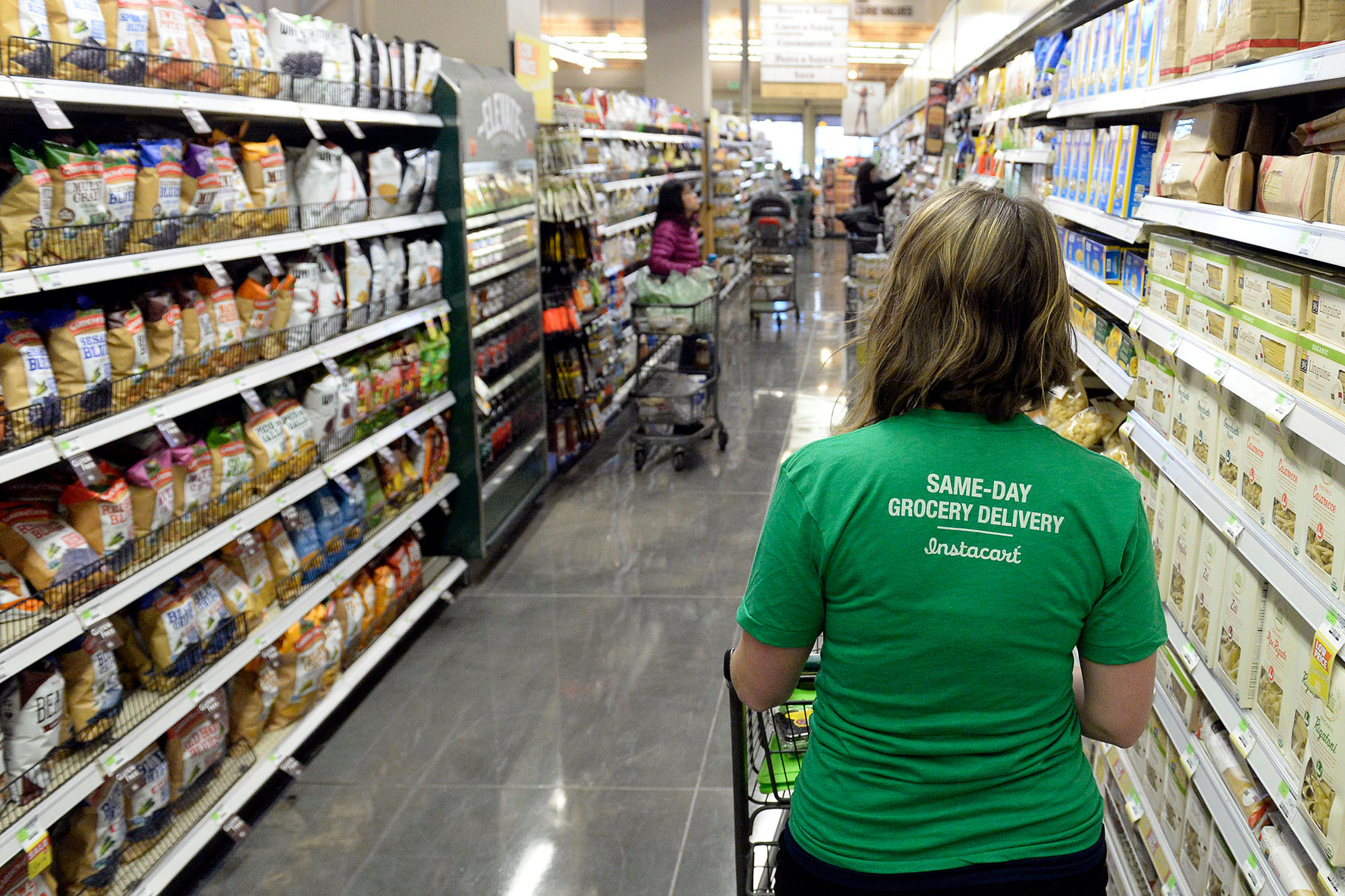
Instacart reportedly has a plan to replace many of its gig workers with robots.

The supermarket delivery app has been angling for nearly a year to build fulfillment centers that rely on robots instead of personal shoppers to pluck packaged goods from shelves, although the plan faces major delays, according to a Bloomberg report.

The San Francisco-based giant, which has been slammed with protests over accusations that it has been nickel-and-diming its workers, would largely eliminate personal shoppers under the initiative except for those that gather fresh food, according to the report.

One proposal, according to documents Bloomberg obtained, would create a network of stand-alone fulfillment centers that would handle more than 3,500 orders a day using 700 robots and just 160 people. A second option calls for a smaller facility using just 150 robots and 40 workers and would be likely be located at the grocery store.

Supermarkets would be responsible for forecasting orders and handling inventory while Instacart would process the customer orders and handle the drivers, according to the report. A technology provider would build the fulfillment centers.

However, the initiative is running behind schedule, as no supermarket has signed on to test it and no technology partner has been selected for the project that is supposed to get underway later this year, according to Bloomberg.

Instacart’s new initiative reportedly would shift the picking of grocery orders to big warehouses, where robots would handle most non-produce merchandise.Boston Globe via Getty Images

In a statement to The Post, Instacart said, “We’re constantly exploring new tools and technologies that support the needs of the 600 retailers we partner with and further enable their businesses to grow and scale over the long-term. Shoppers are and will continue to be central to Instacart and our service, and any suggestion otherwise is wholly inaccurate.”

A spokesperson for the company told Bloomberg that the company is “committed to supporting our brick-and-mortar partners and continuing to invest in and explore new tools and technologies that support the needs of their customers.”

Using personal shoppers jacks up the price of a customer order by as much as 25 percent, including gratuities, according to the report.

Supermarkets have long been wary of Instacart, which generally controls the customer relationship.

Instacart has come under fire in recent years over how much it pays its workers.Los Angeles Times via Getty Imag

In recent years, some large chains have severed ties with Instacart in favor of a growing number of competitors, including Doordash and Shipt — which Target acquired in 2017, and some large companies, including Walmart, are working on their own initiatives involving robots.

The pandemic fueled a huge spike in delivery business for Instacart, which is reportedly eyeing a potential initial public offering this year.

SoFi shares rise after debut on Nasdaq

In this articleSOFIShares of SoFi were up more than 5% Tuesday after the online finance company made its public debut.SoFi, short for Social Finance, went public by merging with Social Capital Hedosophia Corp V, a blank-check company run by venture capital investor Chamath Palihapitiya.Special purpose acquisition companies, known as SPACs, raise money through a shell company to buy an existing company and have become increasingly popular in the past year.The shares were previously listed under the ticker IPOE for Palihapitiya’s special purpose vehicle. Shares of Palihapitiya’s venture closed at $20.15 on Friday, up 70% year to date.Founded in 2011 with a focus on student loan refinancing for millennials, SoFi offers stock and cryptocurrency trading, personal and mortgage loans and wealth management services.”We’re the only one stop shop to do all your financial service needs at one platform,” CEO Anthony Noto told CNBC’s “TechCheck.” “Many people talked about broadening the suite of products but only SoFi has done it on one mobile platform.”SoFi was last valued at $5.7 billion in private markets. It’s attracted funders such as Peter Thiel, private equity firm Silver Lake and Softbank, according to PitchBook.– CNBC’s Kate Rooney contributed to this report.SIGN UP for our weekly, original newsletter that goes beyond the list, offering a closer look at CNBC Disruptor 50 companies, and the founders who continue to innovate across every sector of the economy.

Amazon warehouse workers injured at higher rates than those at rival companies, study finds

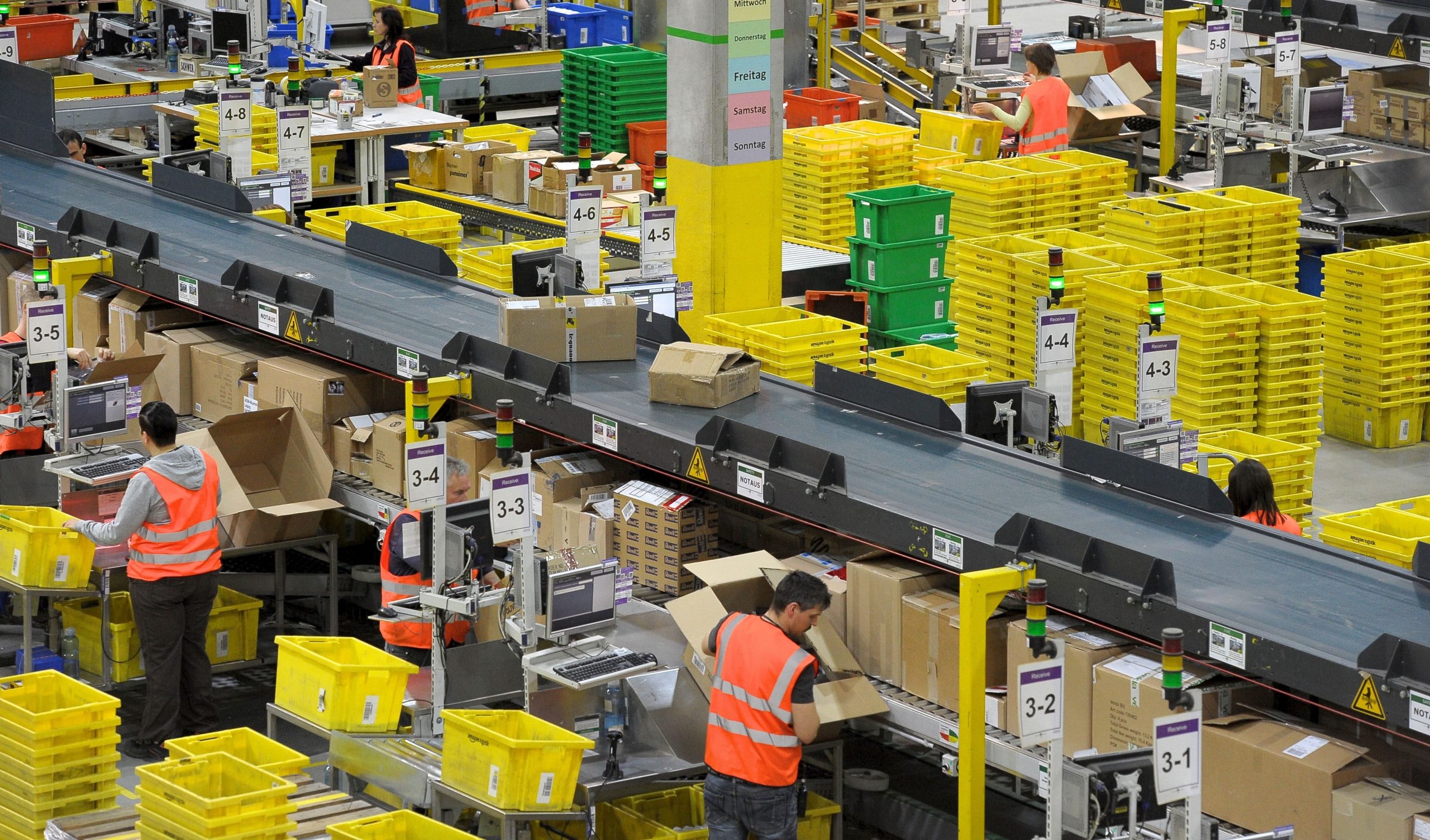
In this articleAMZNPeter Endig | AFP | Getty ImagesAmazon warehouse workers are injured at higher rates than those at rival companies, according to a new study.In 2020, there were 5.9 serious injuries for every 100 Amazon warehouse workers, which is nearly 80% higher than the serious injury rate at non-Amazon warehouses, the Strategic Organizing Center wrote in a new report published Tuesday. The SOC said serious injuries include any injuries that require employees to either miss work entirely, known as “lost time injuries,” or be placed on light or restricted duty.The SOC, which is a coalition of labor unions including the International Brotherhood of Teamsters and the Service Employees International Union, analyzed recently released data reported by Amazon to the Occupational Safety and Health Administration covering work-related injuries between 2017 and 2020.Amazon’s 2020 injury rates were higher than Walmart, one of its closest retail competitors. Amazon’s overall injury rate in 2020 was 6.5 cases for every 100 workers, according to the study. That’s more than twice that of Walmart, which reported three cases for every 100 employees in 2020.Separately, The Washington Post on Tuesday published an analysis of OSHA data, which showed that Amazon’s serious injury rates are nearly double that of non-Amazon warehouses.Representatives from Amazon didn’t immediately respond to a request for comment on the OSHA data. Walmart didn’t respond to a request for comment.Amazon has recently taken steps to improve its workplace safety programs as it faces growing scrutiny from employees, advocacy groups and politicians over working conditions at warehouses before and during the pandemic.Amazon CEO Jeff Bezos recently admitted the company needs “to do a better job for our employees” and vowed to make Amazon the world’s “best employer.” Last month, Amazon reiterated its goal to cut worker injuries by 50% by 2025. Amazon also plans to invest more than $300 million this year in safety projects.Amazon’s health and safety programs have focused, in part, on ergonomics, equipment improvements and, more recently, targeting work-related injuries tied to musculoskeletal disorders.But Amazon workers, former OSHA officials and union representatives told the Post that Amazon’s productivity quotas are partly to blame for rising injury rates. The company requires warehouse workers to pick, pack and stow a certain number of items per hour.Injury rates at Amazon warehouses were lower in 2020 compared with previous years, the SOC found. The decline was likely a result of Amazon temporarily pausing performance tracking for part of last year to give workers more time to wash and sanitize their hands amid the coronavirus pandemic.Much of the discussion around workplace safety at Amazon has focused on employees of its sprawling warehouse operations. The SOC study also identified that injury rates across Amazon’s contracted delivery network are higher than those in its fulfillment centers.Amazon’s delivery service partners, or DSPs, are contracted companies, usually distinguishable by Amazon-branded cargo vans, that are responsible for picking up packages from Amazon delivery stations and dropping them off at doorsteps. Because they aren’t considered employees of Amazon, the company doesn’t report injury rates among drivers.In 2019 and 2020, at least 129 DSPs filed injury records to OSHA that cover more than 6,000 workers, according to the study. The SOC found that these DSPs reported injury rates of 14 and 13.3, respectively, per 100 workers. Additionally, the majority of injuries reported by DSPs in 2019 and 2020 were severe, requiring employees to take time off work to recover, the SOC said.

Sotheby’s to auction world’s first known NFT, compares work to Picasso

Sotheby’s will auction off the world’s first known NFT this week — and is pulling out all the stops as it attempts to give historical weight to the red-hot digital art craze.

Kevin McCoy’s “Quantum” — a simple red, blue and pink image which was created in May 2014 — will be sold alongside 26 other NFTs in an online auction running for one week starting Thursday.

Sotheby’s pulled no rhetorical punches in its description of McCoy’s “Quantum,” drawing comparisons to Pablo Picasso’s “Les Demoiselles D’Avignon” and Marcel Duchamp’s “Fountain” as works that “close chapters on the art histories that came before, while anchoring a new flowering of human creativity.”

NFTs — also known as non-fungible tokens — are one-of-a-kind, verifiable digital assets. They first gained mainstream attention in March when Sotheby’s rival Christie’s sold an NFT by the artist Beeple for an eye-watering $69 million.

Supreme Court rejects J&J’s appeal of $2B talcum powder cancer verdict

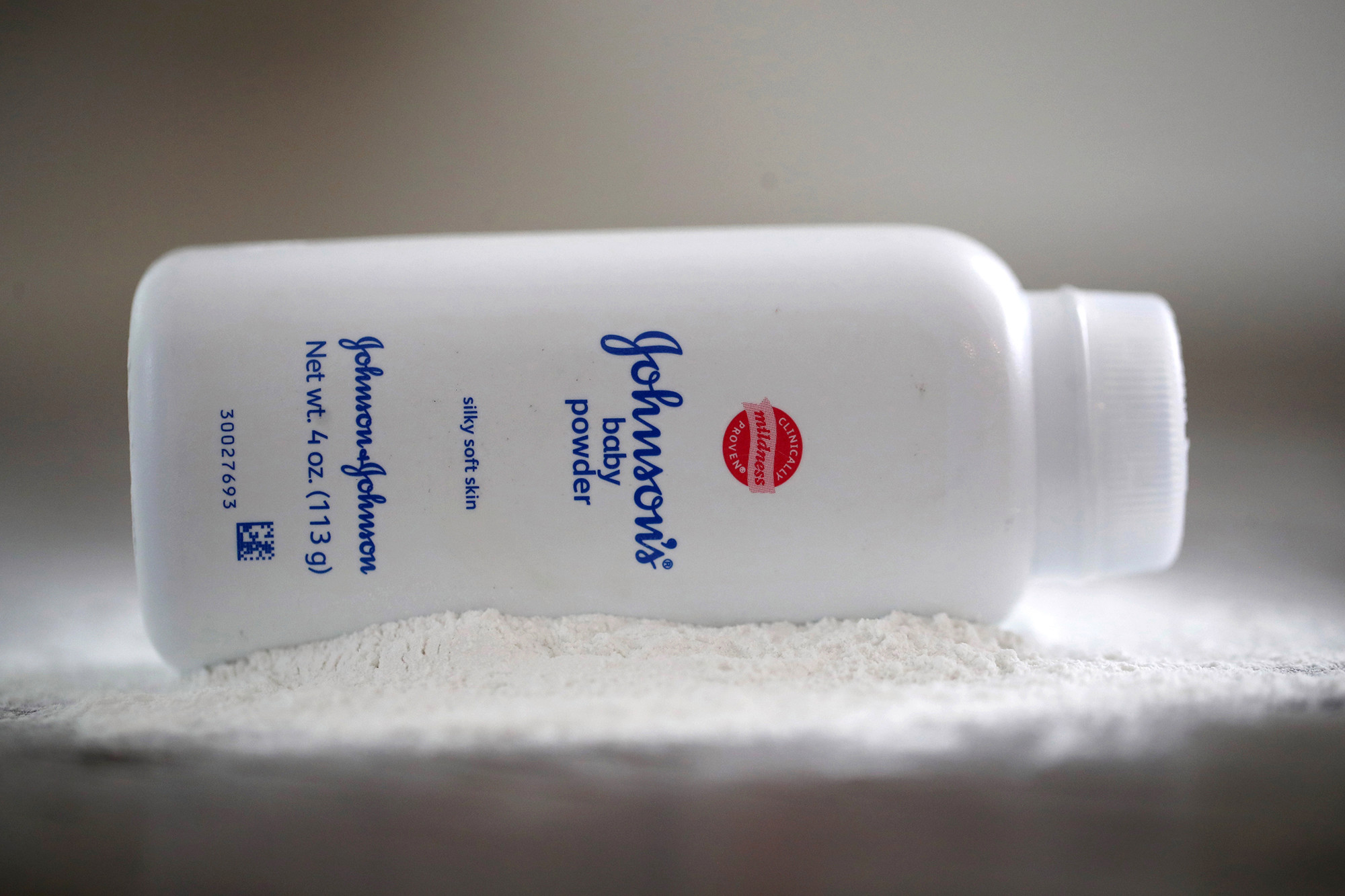
The US Supreme Court on Tuesday declined to hear Johnson & Johnson’s bid to overturn a $2.1 billion verdict against it in favor of women who said the company’s talc products contain asbestos and can cause ovarian cancer.

Without comment, the justices turned away J&J’s appeal, leaving in place a Missouri state court ruling that favored women who blamed their ovarian cancer on the company’s talc-based products like baby powder. 

The lawsuit is one of many filed on behalf of thousands of women who claim J&J’s talc-based products like baby powder contributed to their ovarian cancer. Other suits have claimed that the products caused mesothelioma. 

“This was a victory not just for the amazing women and their families who we were privileged to represent, but a victory for justice,” Mark Lanier, the women’s lawyer, told The Post. “This result is exactly what separates America from the rest of the world. This decision sends a clear message to the rich and powerful: You will be held to account when you cause grievous harm under our system of equal justice under law.”

Deane Berg survived the ovarian cancer she allegedly received from a feminine hygiene product produced by Johnson & Johnson containing talc.http://www.brianlehmann.com

After a six-week trial in St. Louis Circuit Court in 2018, a jury awarded $4.7 billion to 22 women who used J&J talc products and developed ovarian cancer.

Circuit Judge Rex Burlison later wrote that evidence presented at the trial showed “particularly reprehensible conduct” on the part of the defendants.

Burlison wrote that “defendants knew of the presence of asbestos in products that they knowingly targeted for sale to mothers and babies, knew of the damage their products caused, and misrepresented the safety of these products for decades.”

Mark Lanier called the decision to reject J&J’s appeal “a victory for justice.”AFP via Getty Images

J&J appealed the jury verdict, and last year a Missouri appeals court rejected the company’s request to throw out the ruling but did reduce the verdict to about $2.1 billion because some of the women were from out of state.

The company argued it should not have been forced to defend itself in one trial against claims by women from various states, backgrounds and histories of using J&J talc-based products.

“The decision by the Court to not review the Ingham case leaves unresolved significant legal questions that state and federal courts will continue to face on issues related to due process rights and personal jurisdiction,” a J&J spokesperson said. “The Supreme Court has many times said that its decision to deny hearing a case expresses no view on the merits whatsoever, and we continue to believe that our view of the law and the facts will ultimately prevail.”

The company has stopped selling its talc-based baby powder in the US and Canada.AFP via Getty Images

“The matters that were before the court are related to legal procedure, and not safety,” the spokesperson added.

The company has denied that its products can be linked to cancer, though it announced last year it would stop selling its talc-based baby powder in the US and Canada. 

It said at the time that the decision to discontinue the product was due to falling demand “fueled by misinformation around the safety of the product and a constant barrage of litigation advertising.”

Last year, a US-led analysis of 250,000 women found no strong evidence linking baby powder with ovarian cancer, though the study’s lead author called the results “very ambiguous.”

An editorial published in January 2020 in the Journal of the American Medical Association called the findings “overall reassuring.” The study wasn’t definitive but conclusive research probably isn’t feasible due to a drop in women using the products, the editorial said.

With Post wires

Texas-built Teslas must be shipped away before Texans can buy them

Teslas built in the company’s new Austin factory will almost certainly have to be shipped out of Texas before they can be sold to buyers in the state — and Elon Musk is not happy.

Under Texas law, automakers are currently forbidden from selling vehicles directly to customers. Texas lawmakers were considering a bill that would have changed the law, but the state’s legislature concluded its session on Monday without advancing it.

The legislature does not meet again until 2023 unless the governor convenes a special session to consider the Tesla bill specifically — meaning Tesla will likely be stuck jumping through logistical hoops when it opens its factory in the nation’s second-largest state later this year. 

Tesla CEO Elon Musk weighed in on the Texas trouble on Thursday, saying on Twitter, “Tesla sure would appreciate changing the law, so that this is not required!”

Tesla, which did not immediately reply to a request for comment, features a page on its website urging customers to contact their lawmakers in support of “direct sales” laws and other legislation. 

Tesla appears to have been surprised by a Texas law that prevents auto manufacturers from selling cars directly to customers.John Nacion/NurPhoto/Shutterstoc

The electric automaker previously pushed for direct sales in Texas in 2013 and 2015. 

Texas Governor Greg Abbott, who called Tesla “one of the most exciting and innovative companies in the world” last year, could theoretically still call a special legislative session to address the issue. His press office did not immediately respond to a request for comment on Tuesday.

Doughnut maker Krispy Kreme unveils IPO filing, reports revenue pop

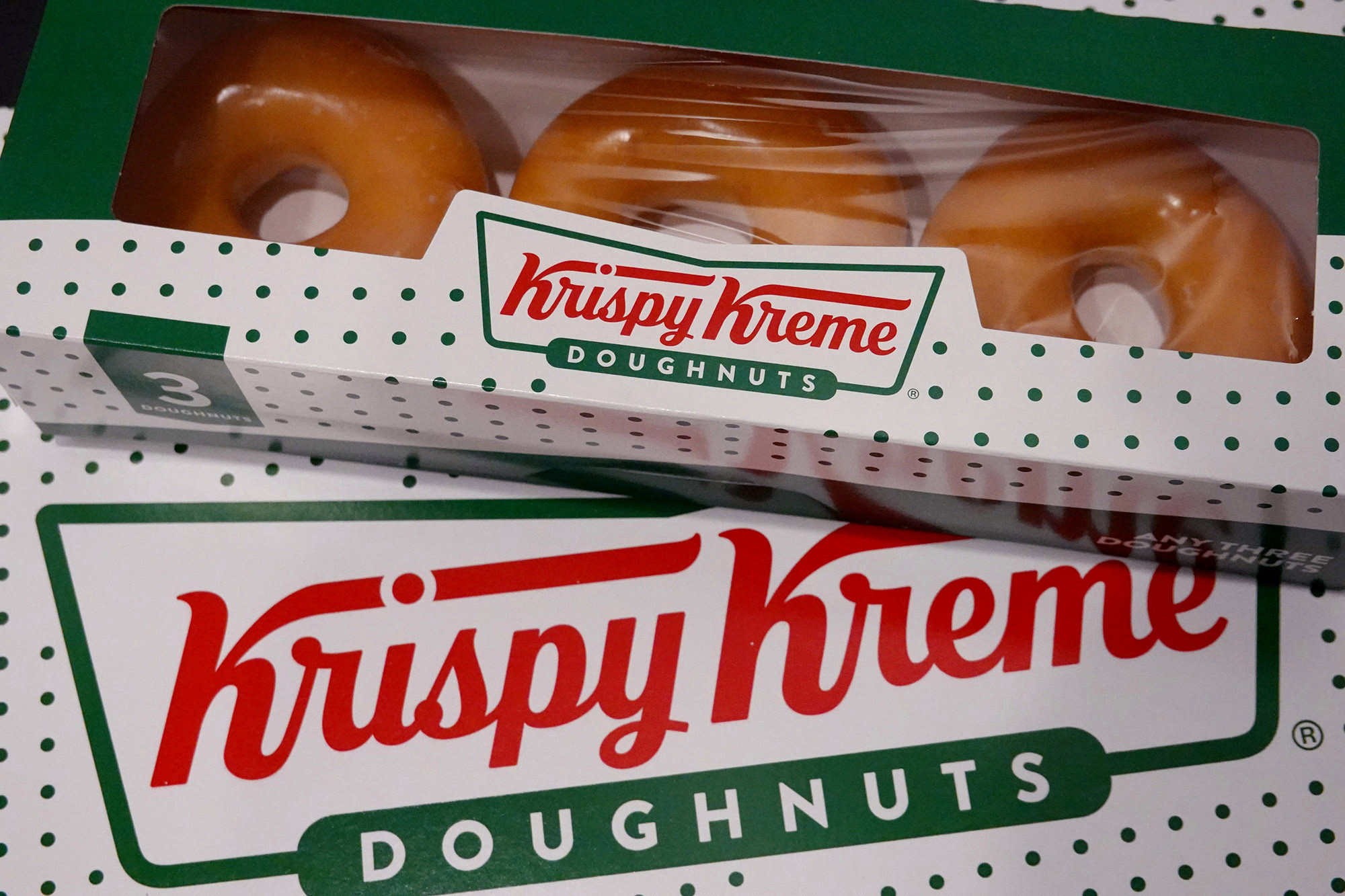
Doughnut chain Krispy Kreme on Tuesday unveiled its filing for an initial public offering, revealing that it plans to trade on the Nasdaq under the ticker symbol “DNUT.”

The 83-year-old company, which is owned by European conglomerate JAB Holding, announced its plans to go public last month.

In its filing unveiled Tuesday, the company said it made $321.8 million in revenue for the first fiscal quarter of 2021, up 23 percent from $261.2 million reported a year earlier.

The company touted its e-commerce capabilities and brand recognition in its filing. In addition to its name-branded stores, Krispy Kreme also owns Insomnia Cookies, which it bought in 2018.

“In addition to creating awesome doughnut experiences, we create ‘cookie magic’ through our Insomnia Cookies business (‘Insomnia’), which specializes in warm, delicious cookies delivered right to the doors of its loyal customers (‘Insomniacs’), along with an innovative portfolio of cookie cakes, ice cream, cookie-wiches and brownies,” the company said in its filing.

The company also noted that it achieved its highest-ever net revenue of $1.1 billion during the COVID-19 pandemic in fiscal year 2020.

“Our strategy is built on our belief that almost all consumers desire an occasional indulgence, and that when they indulge, they want a high quality, emotionally differentiated experience,” the company said. “We believe this desire, especially one which is affordable to consumers, exists during good times and bad.”

The company announced earlier this year that people who have been vaccinated against COVID-19 can get a free glazed doughnut every day through 2021.Getty Images

The IPO comes as the company works to turn its fortunes around. Krispy Kreme has been remodeling its stores and opening blockbuster new locations, including one in Times Square. That location clocks in at a whopping 4,500 square feet and features a glaze waterfall and a doughnut-making theater that the company says produces 4,560 doughnuts every hour.

The doughnut maker made waves earlier this year when it announced that people who have been vaccinated against COVID-19 can get a free original glazed doughnut at US shops. The promotion runs through 2021 and customers can return for one free pastry every day, the company announced in March.

The company said Tuesday that its vaccine promotion earned it 7.6 billion media impressions.

Krispy Kreme’s IPO would bring the company back to the public markets after it was taken private five years ago.

The number of shares that will be offered and their price range in Krispy Kreme’s IPO has not yet been determined, the company said.

The company first went public in 2000, but several franchisees filed for Chapter 11 bankruptcy after a plunge in sales and investigations into the company’s accounting practices. JAB Holding then bought the company in a $1.35 billion deal in 2016, taking the chain private.

Chip giants are making more money than ever as the semiconductor shortage rages on

In this article2330-TWMemory chips are seen on a Samsung Electronics memory module in this arranged photograph in Seoul, South Korea, on Thursday, July 26, 2018.SeongJoon Cho | Bloomberg | Getty ImagesThe world’s 10 biggest chip manufacturing companies saw their revenues surge to a record high in the first quarter of 2021, according to market research firm TrendForce.The combined quarterly total revenue of the chipmakers, known as foundries, rose to a record high of $22.75 billion in the first quarter, according to a TrendForce blog published Monday.Chips are used in everything from cars and games consoles, to washing machines and toothbrushes. They form part of the life blood of the global economy and are vital to many of the world’s biggest industries. But they’re also in short supply —  and the shortage could last until 2023.”Owing to soaring demands for various end devices, manufacturers have been ramping up their component procurement activities, and foundry capacities, as a result, have been in shortage since 2020, with various foundries raising their wafer prices and adjusting their product mixes to ensure profitability,” TrendForce analyst Joanne Chiao wrote.Around 57% of the world’s chip foundry revenues in the last quarter were generated by one Taiwanese chipmaker: TSMC, or the Taiwan Semiconductor Manufacturing Corporation.The Taipei-headquartered firm saw its revenue climb to $12.9 billion in the first quarter, up 2% on the first quarter of 2021, according to TrendForce, which analyzed how well each of the company’s various chips sold.The U.S. and the European Union have said they want to be more self-reliant when it comes to semiconductors as the vast majority of the world’s chips are made in Asia.TSMC chipsTSMC’s 7, 12 and 16 nanometer (nm) chips are the company’s main revenue drivers, according to TrendForce.”The revenue from the 7nm foundry service has kept climbing at a stable pace thanks to orders from AMD, MediaTek, and Qualcomm,” Chiao said, adding that sales are up 23% on the last quarter.Meanwhile, revenue for 12nm and 16nm chips has “grown on account of the demand related to MediaTek’s 5G RF (radio frequency) transceivers and Bitmain’s cryptocurrency mining machines,” TrendForce added, highlighting how sales are up almost 10% on the last quarter.However, sales of TSMC’s smallest and most innovative 5nm chips actually saw a quarterly decrease, Chiao said, adding that the main reason is because Apple (TSMC’s largest 5nm client) “entered the off-season for device production.”Storm hurts SamsungElsewhere, South Korean chip giant Samsung saw its foundry revenue drop 2% on the last quarter to $4.1 billion.Chiao said that’s partly because a freak winter storm in February in Texas caused power outages in Austin and forced Samsung to temporarily stop producing chips at one of its plants in the state.Elsewhere, Taiwan’s United Microelectronics Corporation saw its quarterly revenues climb 5% quarter on quarter to $1.6 billion, while China’s SMIC saw its climb 15% to $1.1 billion.TrendForce expects the chip foundries to see further revenue growth as the prices of the chip wafers they produce continue to rise and demand persists.It said the quarterly total revenue of the top 10 foundries will “once again reach a historical high” by undergoing a 1-3% increase quarter-on-quarter for the second quarter of 2021.

UK-based fintech firm Wise launches service that lets Indian users send money abroad

In this photo illustration, the TransferWise logo is seen displayed on an Android mobile phone.Omar Marques | SOPA Images | LightRocket | Getty ImagesFinancial technology firm Wise said Tuesday that users in India would now be able to send money abroad to 44 countries around the world.That includes places like Singapore, the U.K., the United States, the United Arab Emirates as well as countries in the euro zone.India’s outward remittances in the fiscal year 2019-2020 was around $18.75 billion, with more than 60% of it categorized under travel and paying for studying abroad, according to data from the Reserve Bank of India. Under a liberalized remittance scheme, the central bank allows residents to freely send up to $250,000 abroad to fund personal expenses or education per financial year — which begins in April and ends in March the following year.Typically, the inward remittance market is comparatively larger as many Indians working abroad send money back to their families in the country. World Bank data for 2019 showed personal remittances received in India exceeded $83 billion.Kristo Kaarmann, CEO and co-founder of Wise, which was previously called TransferWise, told CNBC that the ability to send money out of India was one of the most heavily requested services the company received from users.”India specifically, it is very exciting,” Kaarmann said. “Over the last, like almost a decade now, the build up of local payments infrastructure and UPI has been very interesting to observe.”Unified Payments Interface, or UPI, is one of the most dominant methods of digital payments in India. What makes the framework stand out compared with mobile wallets is its interoperability — which means people can use different platforms that are built on UPI to send money and conduct financial transactions.The London-headquartered Wise specializes in cross-currency money transfers, which can be done fully online. It claims its service is faster and cheaper compared with other fintech players as well as traditional banks, which tend to take a large cut and offer unfavorable exchange rates.Banks are the dominant platform for international money transfers in India.Wise teamed up with Google Pay last month to allow users in the U.S. to send money to India.Wise also announced Tuesday the opening of a local office in Mumbai. Kaarmann declined to provide details about potential partnerships in the works in India.